

Working Principle and Characteristics of Carbide Powder Pneumatic Conveying
Carbide powder pneumatic conveying is a critical process in industrial material handling, particularly for handling fine powders like calcium carbide. This method involves transporting the powder using a stream of air or other gas, which creates a flow that moves the material from one location to another. Understanding the working principle and key characteristics of this technology is essential for optimizing material handling efficiency and ensuring safe operation in various industrial applications.
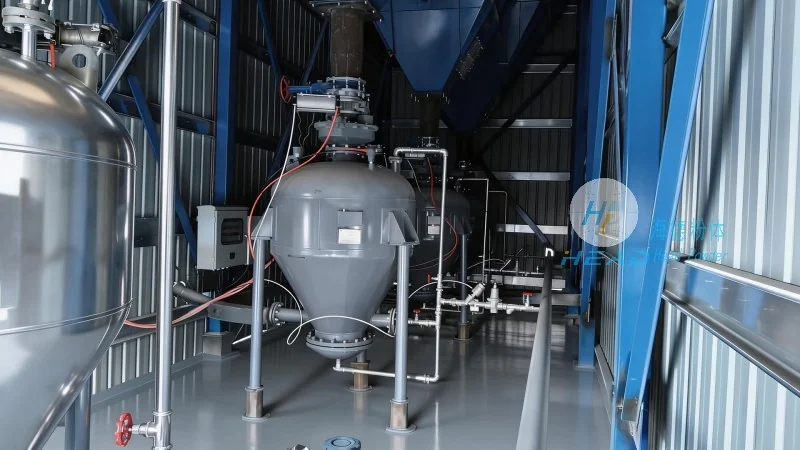
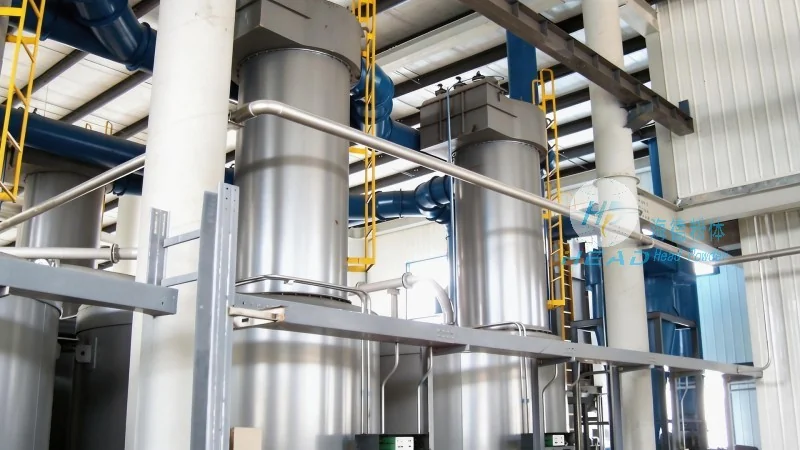
Working Principle of Pneumatic Conveying for Carbide Powder
The core principle of pneumatic conveying for carbide powder relies on the interaction between the powder particles and the conveying medium, typically air. The process begins with the powder being introduced into a conveying line, where it is mixed with the air stream. As the air flows through the line, it lifts and transports the powder particles. The velocity of the air is crucial; it must be sufficient to overcome the gravitational force acting on the powder and provide the necessary lift. This is often achieved by using a blower or compressor to generate the required air pressure and flow rate. The conveying system typically consists of a hopper, a feeder, a conveying line, and a receiver. The hopper holds the carbide powder, and the feeder controls the flow rate of the powder into the line. The air is introduced at the inlet of the conveying line, and the powder is carried along by the air stream to the receiver, where it is deposited. The design of the conveying line, including the diameter and length, as well as the angle of the line, affects the efficiency of the process. For example, vertical lines require higher air velocities to counteract gravity, while horizontal lines can use lower velocities. The type of conveying system, such as dilute phase or dense phase, also influences the performance. Dilute phase systems use higher air velocities and lower powder concentrations, while dense phase systems use lower velocities and higher concentrations, which can be more suitable for handling abrasive or sensitive powders like carbide.
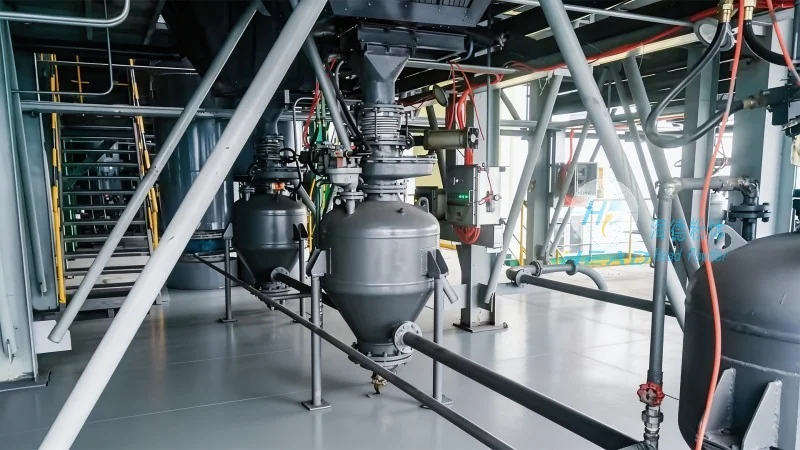
Key Characteristics of Carbide Powder Pneumatic Conveying
Carbide powder pneumatic conveying exhibits several distinct characteristics that make it advantageous for specific applications. One of the primary advantages is the ability to handle fine, abrasive, or reactive powders without the need for mechanical components that could wear out or cause contamination. Carbide powder is often highly abrasive, and traditional mechanical conveyors may not be suitable due to the risk of wear and tear on the equipment. Pneumatic conveying minimizes this risk by using air as the primary transport medium, reducing the wear on the system components. Another key characteristic is the flexibility of the system. Pneumatic conveying systems can be easily modified or expanded to accommodate changes in production volume or material handling requirements. This adaptability is particularly valuable in industries where production needs fluctuate or where new materials need to be processed. The system can also be integrated with other processes, such as drying or mixing, to create a more comprehensive material handling solution. Additionally, pneumatic conveying can be used for long-distance transport, as the air can travel through long lines without significant pressure loss, making it suitable for applications where the powder needs to be moved over considerable distances. The process is also relatively simple to operate and maintain, with fewer moving parts compared to mechanical conveyors, which reduces the likelihood of breakdowns and simplifies maintenance procedures. However, the system does have some limitations, such as the need for proper dust control measures to prevent air pollution and the potential for pressure drops in long lines, which may require additional air boosters or larger blower capacities. Overall, the characteristics of carbide powder pneumatic conveying make it a reliable and efficient method for handling this type of material in various industrial settings.
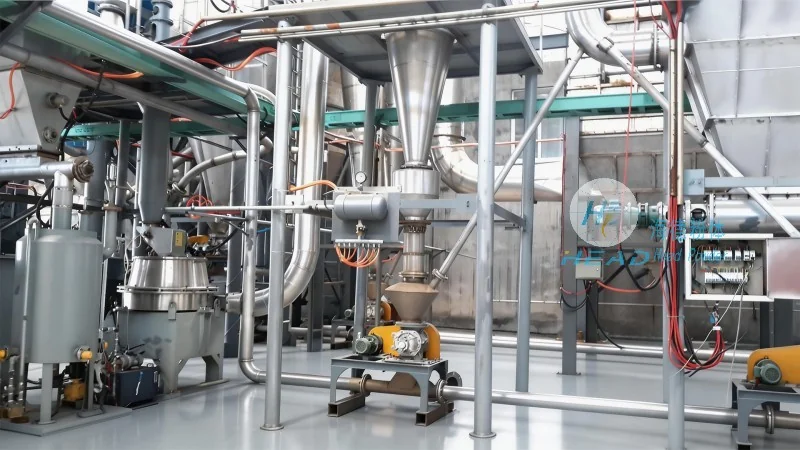
Company Profile: Shandong HeadPowder Engineering Co., Ltd.
Shandong HeadPowder Engineering Co., Ltd., commonly known as HeadPowder, is a leading provider of engineering solutions for material handling, particularly in the processing of fine powders like carbide. The company is headquartered in Shandong, China, and specializes in designing, manufacturing, and installing pneumatic conveying systems tailored to the specific needs of its clients. With years of experience in the industry, HeadPowder has developed a deep understanding of the challenges associated with handling abrasive and reactive powders, and has developed innovative solutions to address these challenges. The company's team of engineers and technicians work closely with clients to assess their material handling requirements and design customized systems that optimize efficiency, reduce costs, and ensure safety. HeadPowder's systems are known for their durability, reliability, and ease of maintenance, making them a preferred choice for industries that require consistent and high-quality material transport. The company adheres to strict quality standards and uses advanced technology in its manufacturing processes to ensure that its products meet the highest industry standards. HeadPowder's commitment to customer satisfaction and technical excellence has earned it a reputation as a trusted partner in the material handling industry, providing reliable solutions for a wide range of applications.