

Working Principle and Features of Pneumatic Conveying for Yeast Powder
HeadPowder, a leading enterprise in the field of material handling solutions, specializes in the design, manufacturing, and application of pneumatic conveying systems tailored for various industrial powders, including yeast powder. With a strong presence in Shandong, China, the company has established itself as a reliable partner for businesses seeking efficient and reliable powder transport solutions. This article delves into the working principle and key characteristics of pneumatic conveying for yeast powder, highlighting how such systems enhance operational efficiency and product quality in the food and beverage industry.
Understanding Pneumatic Conveying Systems
Pneumatic conveying, also known as pneumatic transport, is a method of transporting bulk materials, such as powders, granules, or small particles, through a pipeline using a gas stream, typically air or other gases. This technology offers a flexible and efficient solution for moving materials from one location to another without the need for mechanical components like belts or buckets. The core of pneumatic conveying lies in the interaction between the gas and the solid particles, creating a two-phase flow that propels the material through the system.
Working Principle of Yeast Powder Pneumatic Conveying
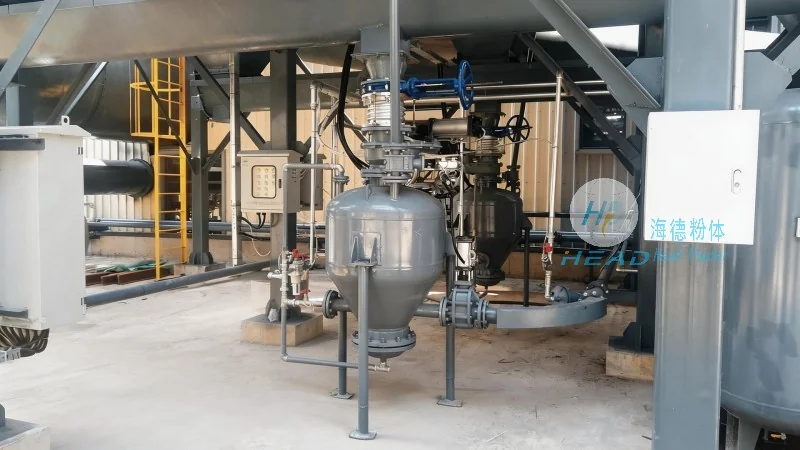
The working principle of pneumatic conveying for yeast powder involves several key steps and components. A typical system consists of a hopper or storage silo, a conveyor line, a blower or compressor, and a discharge point. The process begins with the yeast powder being fed into the hopper, where it is then drawn into the conveyor line by the suction action of the blower. The air, under pressure, creates a flow that lifts and transports the powder particles through the pipeline. The velocity of the air is critical, as it must be sufficient to overcome the gravitational forces and friction within the system while maintaining the integrity of the powder particles. The system may use either suction (or negative pressure) or pressure (or positive pressure) to move the material, depending on the specific application and distance to be covered.
Key Features and Advantages of Pneumatic Conveying for Yeast Powder
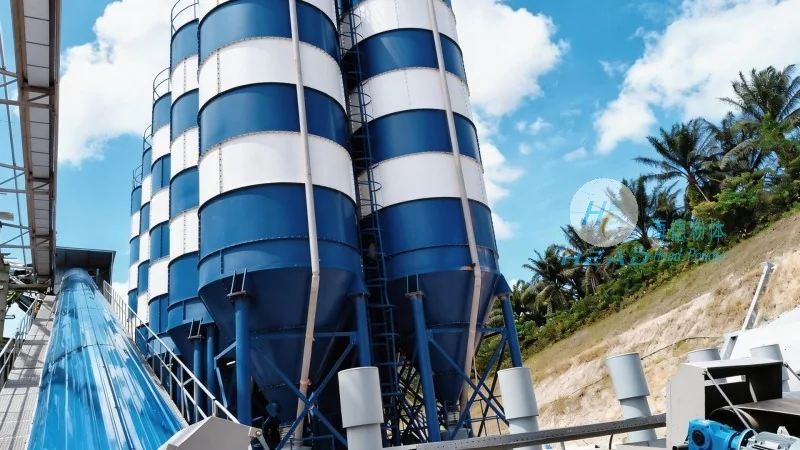
When applied to yeast powder, pneumatic conveying systems exhibit several distinct features and advantages that make them ideal for industrial use. Firstly, the system is highly sanitary and hygienic, as it eliminates the need for direct contact between the powder and mechanical parts, reducing the risk of contamination and ensuring compliance with food safety regulations. This is particularly important for yeast, which is used in the production of bread, beer, and other fermented products where purity is paramount. Secondly, pneumatic conveying offers high efficiency and reliability, with the ability to transport large volumes of powder over long distances with minimal downtime. The system can be easily integrated into existing production lines, allowing for seamless material flow and improved overall productivity. Additionally, pneumatic conveying is energy-efficient compared to other transport methods, as it utilizes compressed air that can be recycled and reused within the system. This reduces operational costs and environmental impact. Another notable feature is the flexibility of the system, which can be adapted to handle different types of yeast powders, varying particle sizes, and different production rates. The modular design of the system allows for easy expansion or modification as production needs change.

Applications and Considerations in Yeast Powder Handling
Pneumatic conveying systems are widely used in the handling of yeast powder due to their ability to maintain product quality and ensure consistent performance. In the food and beverage industry, these systems are commonly employed in the production of yeast for baking, brewing, and fermentation processes. The key considerations when implementing a pneumatic conveying system for yeast powder include the particle size and density of the powder, the required conveying distance, and the desired flow rate. The system must be designed to handle the specific characteristics of yeast, such as its light weight and tendency to agglomerate, to prevent blockages or loss of material. Proper maintenance of the system, including regular cleaning and inspection of the pipeline and components, is essential to ensure long-term reliability and prevent contamination. HeadPowder, with its expertise in material handling, provides customized solutions that address these considerations, ensuring that clients receive a system that meets their specific operational requirements and industry standards.
Conclusion
In conclusion, pneumatic conveying for yeast powder is a sophisticated and efficient method of material transport that offers numerous benefits for industrial applications. By understanding the working principle and key features of such systems, businesses can enhance their operational efficiency, maintain product quality, and reduce costs. HeadPowder, with its commitment to quality and innovation, continues to provide advanced pneumatic conveying solutions that meet the evolving needs of the food and beverage industry. Based in Shandong, China, the company leverages its expertise to deliver reliable and effective systems that help clients achieve their production goals while adhering to the highest standards of safety and hygiene.