

Working Principle and Characteristics of Lithium Fluoride Pneumatic Conveying
For industrial applications involving lithium fluoride, efficient material handling is crucial. Pneumatic conveying systems offer a reliable solution, and understanding their working principles and characteristics is essential for optimizing processes. HeadPowder, a leading provider of material handling solutions, specializes in designing and implementing pneumatic conveying systems tailored to the unique needs of lithium fluoride applications. This article explores the fundamental aspects of lithium fluoride pneumatic conveying, including its operational mechanisms and key features that make it a preferred method in various industries.
Overview of Lithium Fluoride Pneumatic Conveying
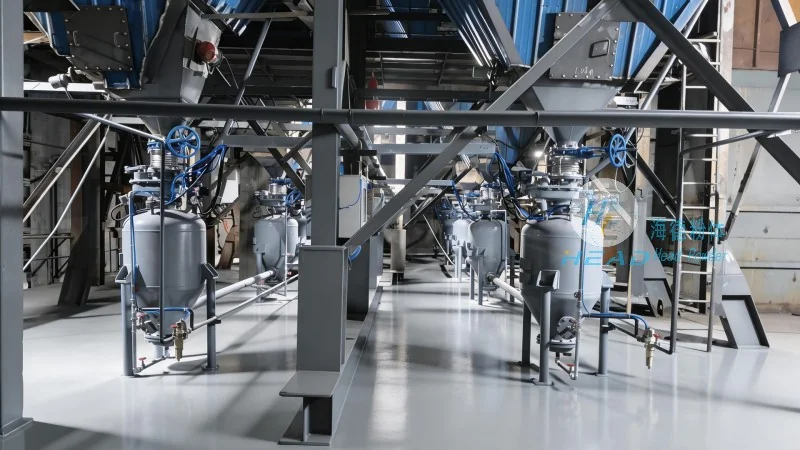
Lithium fluoride (LiF) is a chemical compound widely used in pharmaceuticals, ceramics, and nuclear applications due to its unique properties. When handling LiF, traditional methods like manual transport or mechanical conveyors may pose challenges, such as dust exposure or material degradation. Pneumatic conveying provides a closed-system approach that addresses these issues while ensuring safe and efficient material transfer. The system utilizes compressed air or other gases to transport the material through a pipeline network, eliminating the need for direct human contact with the substance.
Working Principle of Lithium Fluoride Pneumatic Conveying
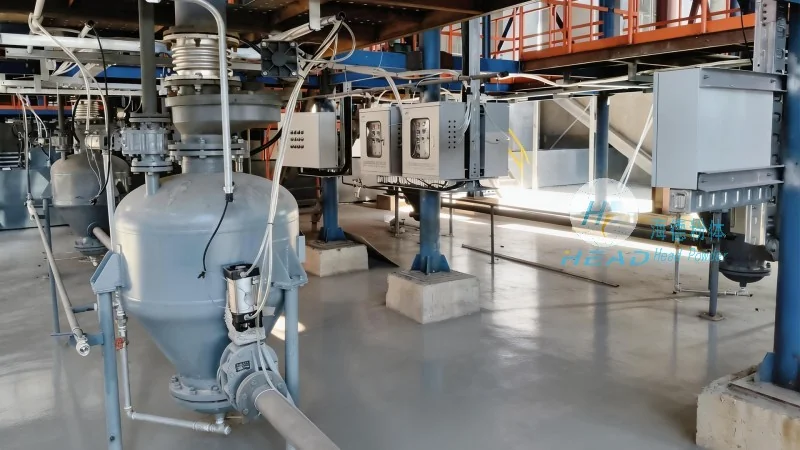
The core principle of pneumatic conveying for lithium fluoride involves creating a flow of air or gas that lifts and transports the solid particles. The process typically begins with a hopper or storage vessel where the LiF is stored. A rotary valve or feeder then meters the material into the conveying line. Compressed air is introduced at the inlet of the pipeline, generating a high-velocity flow that entrains the LiF particles. As the air flows through the pipeline, it carries the particles to the destination point, such as a processing unit or storage tank. The velocity of the air is carefully controlled to ensure that the particles remain suspended without causing excessive wear on the system components. The system may include components like cyclones or filters to separate the material from the air stream at the receiving end, allowing for clean material discharge.
Key Characteristics of Lithium Fluoride Pneumatic Conveying Systems
Several characteristics make lithium fluoride pneumatic conveying systems advantageous for industrial use. First, the closed-loop design minimizes dust emissions, which is critical for maintaining a safe working environment and complying with environmental regulations. The system also reduces the risk of material contamination, as the LiF is contained within the pipeline throughout the transfer process. Another key feature is the flexibility in system design, allowing for horizontal, vertical, or mixed configurations to suit different plant layouts. This adaptability enables efficient material movement between multiple processing stages or storage locations. Additionally, pneumatic conveying systems can handle a wide range of particle sizes and densities, making them suitable for various LiF formulations. The energy efficiency of the system, particularly when using optimized air flow rates, contributes to lower operational costs over time. Finally, the system's ability to integrate with other industrial equipment, such as mixers or reactors, enhances overall process automation and productivity.
Applications and Benefits in Industrial Settings
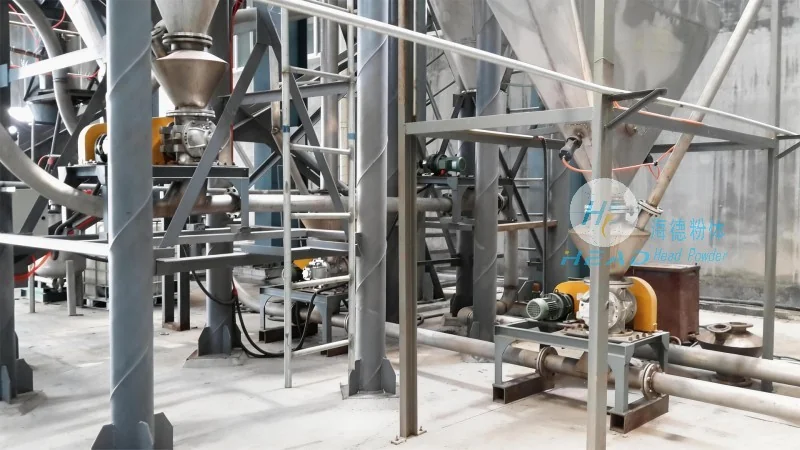
Lithium fluoride pneumatic conveying is widely adopted in industries where precision and safety are paramount. In pharmaceutical manufacturing, the system ensures that LiF is handled in a sterile and dust-free environment, meeting stringent quality control standards. In the ceramics industry, the efficient transfer of LiF powders aids in the production of high-purity ceramic materials. The system's ability to handle fine powders without agglomeration is particularly beneficial for applications requiring uniform particle size distribution. Furthermore, the reduced labor requirements and automated operation of the system lead to increased productivity and lower operational costs. The reliability of pneumatic conveying systems, with minimal downtime due to maintenance, also contributes to consistent production output. Overall, the combination of safety, efficiency, and adaptability makes lithium fluoride pneumatic conveying a preferred choice for material handling in modern industrial settings.