

Working Principle and Characteristics of Pneumatic Conveying for Edible Salt
HeadPowder, a leading engineering company based in Shandong, China, specializes in the design and implementation of pneumatic conveying systems tailored for the handling of edible salt. This article delves into the fundamental working principle of such systems and highlights the key characteristics that make them efficient and reliable for salt transportation.
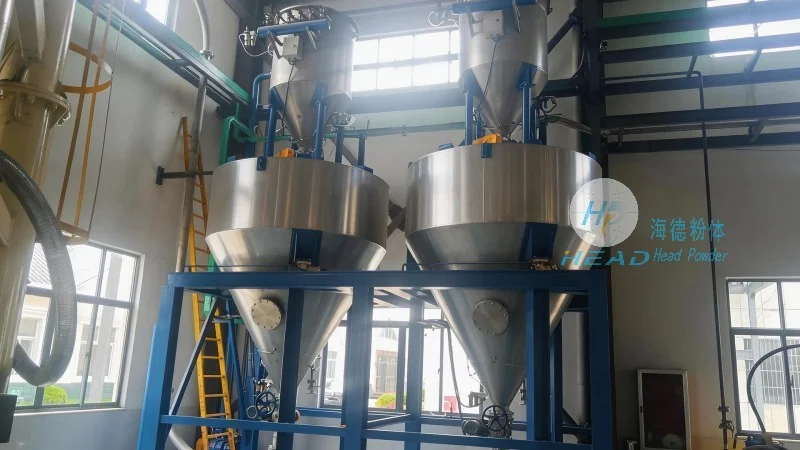
The Working Principle of Pneumatic Conveying for Edible Salt
Pneumatic conveying for edible salt operates on the principle of using air or gas to transport solid particles, in this case, salt, through a pipeline. The system typically consists of a feeding device, a conveying line, a separation unit, and a discharge mechanism. The process begins when the edible salt is introduced into the system, often via a hopper or a feeder, which then releases the salt into the conveying line. Simultaneously, a fan or blower generates a flow of air within the pipeline, creating a pressure differential that propels the salt particles forward. The air acts as the medium, carrying the salt particles through the system until they reach the separation unit, where the air and salt are separated. The separated salt is then discharged into a storage or processing container, while the air is either recirculated or vented to the atmosphere. This continuous cycle ensures the efficient movement of edible salt from the source to the destination, minimizing the need for manual handling and reducing the risk of contamination.
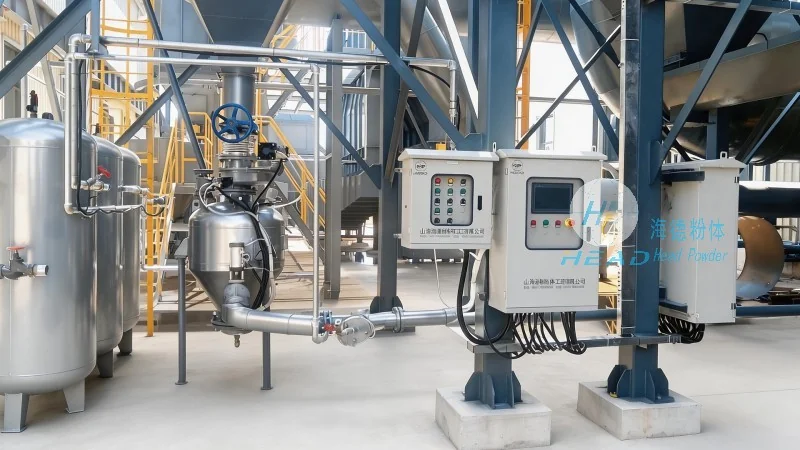
Key Characteristics of Pneumatic Conveying Systems for Edible Salt
Several distinct characteristics define the effectiveness of pneumatic conveying systems in the context of edible salt handling. Firstly, the system offers a high degree of flexibility in terms of layout and installation. It can be configured to follow complex routes, adapting to the spatial constraints of a facility, which is particularly advantageous in industrial settings where space is limited. Secondly, pneumatic conveying provides excellent protection against contamination. The enclosed pipeline system prevents the salt from coming into contact with external elements, such as dust, moisture, or other contaminants, ensuring that the product remains in its original state and meets stringent quality standards. Thirdly, the system is highly efficient in terms of energy consumption and operational costs. By using air as the conveying medium, the system minimizes the need for mechanical components like conveyors or elevators, reducing wear and tear and lowering maintenance requirements. Additionally, the continuous flow of air helps maintain consistent particle velocity, ensuring uniform transportation of the salt, which is crucial for maintaining product quality. Fourthly, the system is capable of handling a wide range of salt types and particle sizes. Whether dealing with fine granules or coarse crystals, the pneumatic conveying system can be adjusted to accommodate different particle characteristics, making it versatile for various applications. Finally, the system is relatively easy to maintain and operate. The components are designed for durability and ease of access, allowing for quick repairs and routine maintenance, which contributes to the overall reliability and uptime of the system.
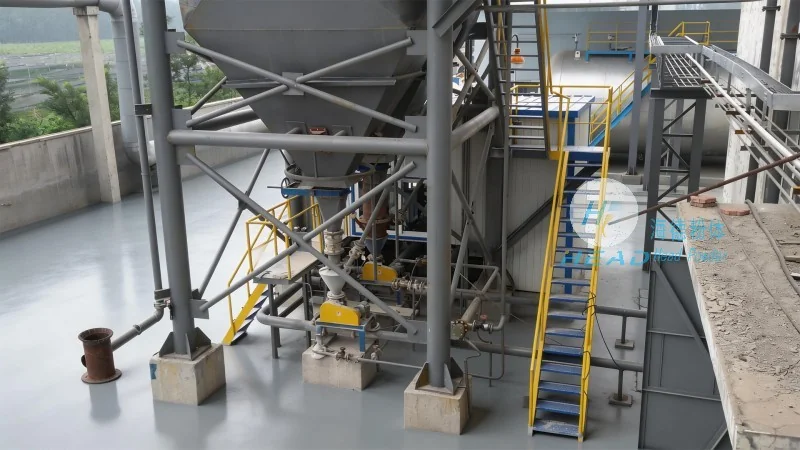
Applications and Benefits in the Edible Salt Industry
The application of pneumatic conveying systems in the edible salt industry brings numerous benefits that enhance operational efficiency and product quality. For instance, in salt processing plants, the system can be integrated into the production line to transport raw salt from storage to processing equipment, such as crushers or grinders, without the need for manual transfer. This not only improves workflow but also reduces the risk of product damage or contamination during handling. In addition, the system is widely used in the packaging and distribution stages, where it efficiently moves packaged salt from production lines to storage areas or shipping facilities. The enclosed nature of the system ensures that the packaged salt remains protected from environmental factors, maintaining its freshness and quality until it reaches the consumer. Furthermore, the energy efficiency of pneumatic conveying systems contributes to cost savings for companies, as lower operational costs translate into higher profitability. The reduced need for manual labor also leads to operational cost reductions and improved workplace safety, as the system minimizes the risk of accidents associated with manual handling of heavy or bulky salt containers.
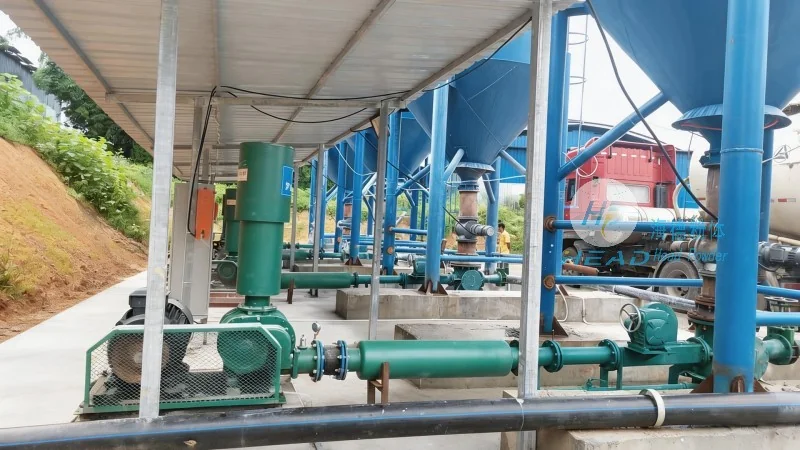
Conclusion
HeadPowder Engineering Co., Ltd., with its headquarters in Shandong, China, provides comprehensive solutions for pneumatic conveying systems specifically designed for edible salt. By understanding the working principle and leveraging the key characteristics of these systems, companies in the edible salt industry can enhance their operational efficiency, maintain product quality, and reduce costs. The flexibility, contamination control, energy efficiency, and versatility of pneumatic conveying make it an ideal choice for modern salt handling operations. As the demand for efficient and reliable transportation systems in the food industry continues to grow, pneumatic conveying remains a critical technology that supports the smooth operation of edible salt processing and distribution.