

What is a Potassium Chloride Material Pneumatic Conveying Line? And What Are Its Design Principles?
When it comes to the efficient and reliable transport of bulk materials, especially in the chemical and fertilizer industries, the use of pneumatic conveying systems has become increasingly prevalent. Among these, the potassium chloride material pneumatic conveying line stands out as a critical solution for handling this specific type of material. This article aims to explore what such a system entails and delve into the underlying design principles that ensure its optimal performance.
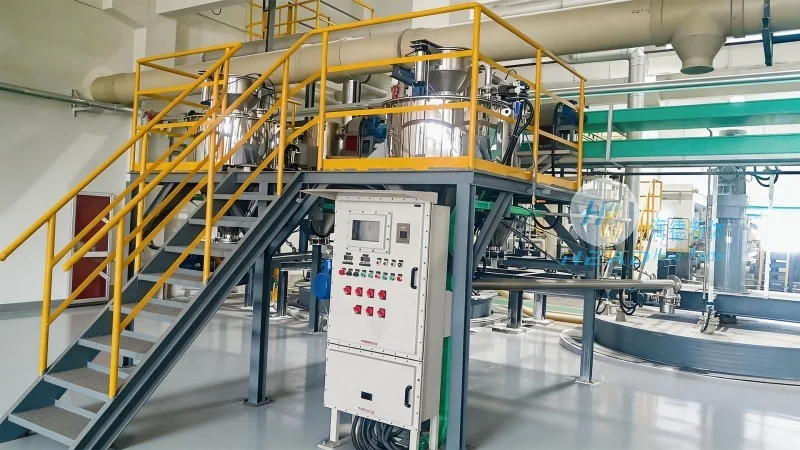
Understanding the Potassium Chloride Material Pneumatic Conveying Line
A potassium chloride material pneumatic conveying line is a specialized system designed to transport bulk potassium chloride, a key component in fertilizer production and various industrial applications. This system utilizes the principles of pneumatic conveying, where materials are moved through a pipeline using a gas stream, typically air or a combination of air and other gases. The primary goal is to achieve safe, efficient, and cost-effective material handling from the source to the destination, minimizing the need for manual labor and reducing the risk of material contamination or degradation.
About HeadPowder: A Leading Provider in Material Handling Solutions
At Shandong HeadPowder Engineering Co., Ltd., we specialize in the design, manufacturing, and installation of advanced material handling systems tailored to meet the unique needs of our clients. With a strong commitment to quality and innovation, our company has established itself as a trusted partner in the industry. HeadPowder's expertise lies in developing customized pneumatic conveying solutions that enhance operational efficiency, ensure product integrity, and comply with industry standards. Our team of experienced engineers and technicians works closely with clients to understand their specific requirements and deliver tailored solutions that address their material handling challenges.
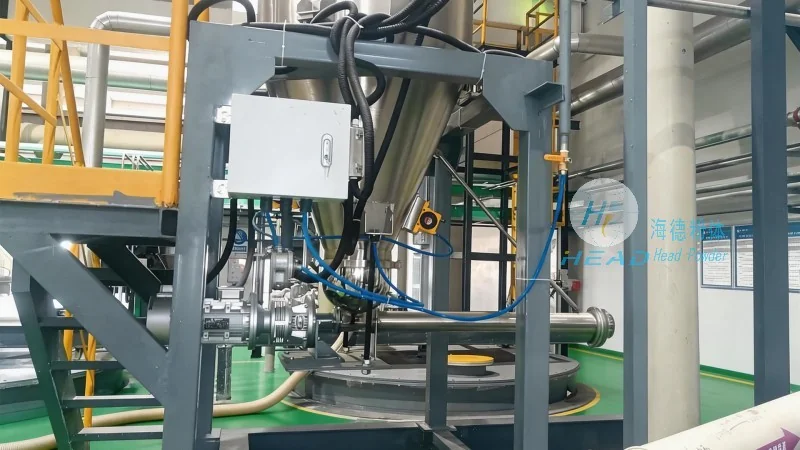
Design Principles of the Potassium Chloride Pneumatic Conveying System
The design of a potassium chloride material pneumatic conveying line is based on several fundamental principles that ensure its effectiveness and reliability. The first principle is the selection of the appropriate conveying method, which can be categorized into pressure or vacuum systems. Pressure systems use compressed air to push the material through the pipeline, while vacuum systems use suction to draw the material. For potassium chloride, which is often handled in bulk quantities, pressure systems are commonly preferred due to their ability to handle higher material loads and longer distances.
Another critical design principle is the selection of the right pipeline configuration. The pipeline design must consider factors such as the material's flow characteristics, particle size, and moisture content. For potassium chloride, which is typically a fine or granular material, the pipeline is usually made of materials resistant to corrosion and abrasion, such as stainless steel or special alloys. The pipeline diameter and length are also carefully calculated to ensure that the material is conveyed at the optimal velocity, preventing blockages and ensuring smooth flow.
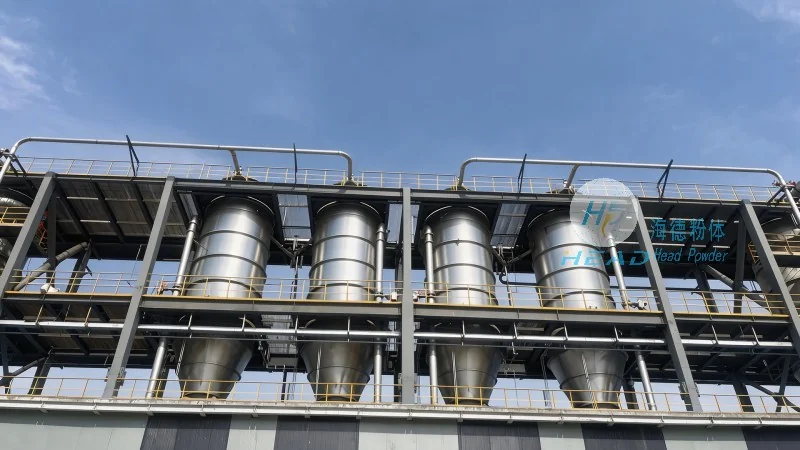
The system also incorporates a series of components that work in tandem to achieve efficient material transport. These include the material feed hopper, which provides a controlled feed of the potassium chloride into the pipeline; the air compressor or vacuum pump, which generates the necessary pressure or vacuum; the conveying line itself, which transports the material; and the discharge hopper or silo, which collects the material at the destination. Each component is designed to work in harmony, ensuring that the material is conveyed without any loss or degradation.
Key Features and Benefits of the System
The potassium chloride material pneumatic conveying line offers several advantages over traditional material handling methods. One of the primary benefits is the ability to handle the material in a closed system, which minimizes dust emissions and prevents contamination from external sources. This is particularly important for potassium chloride, which is used in food and pharmaceutical applications where purity is paramount. Additionally, the system reduces the need for manual handling, improving workplace safety and reducing labor costs.
Another significant benefit is the flexibility of the system, which allows for easy integration with existing production lines and the ability to adjust the conveying capacity as per the changing needs of the operation. The system can also be designed to handle different material types and sizes, making it a versatile solution for various industrial applications. Furthermore, the use of pneumatic conveying reduces the risk of material degradation due to exposure to air or moisture, ensuring that the potassium chloride remains in its optimal condition throughout the transport process.
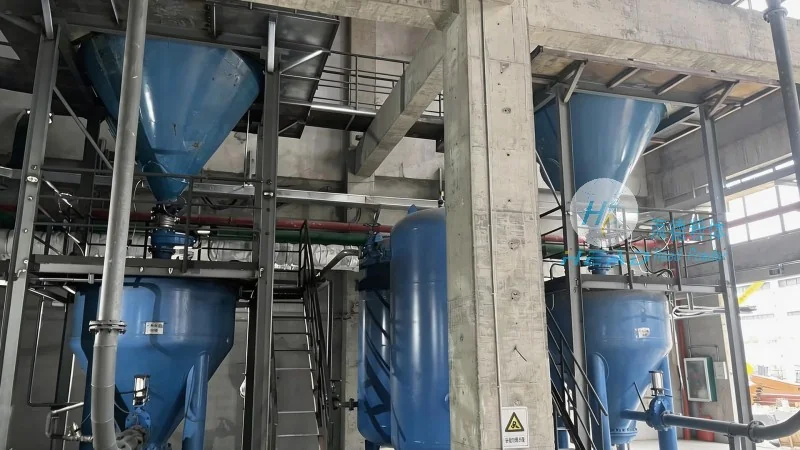
Applications and Industries Served
The potassium chloride material pneumatic conveying line is widely used in various industries, with a particular focus on the chemical and fertilizer sectors. In the fertilizer industry, it is used to transport potassium chloride from storage facilities to production lines, where it is blended with other nutrients to create fertilizer products. The system is also used in the food and pharmaceutical industries, where the material is used as an ingredient in various products. Additionally, it is used in the mining and mineral processing industries for the transport of potassium chloride from mines to processing facilities.
Conclusion
In conclusion, the potassium chloride material pneumatic conveying line is a vital component in the efficient handling of bulk materials, particularly in the chemical and fertilizer industries. The design principles behind this system, including the selection of the appropriate conveying method, pipeline configuration, and component integration, are crucial to its success. With the expertise of companies like Shandong HeadPowder Engineering Co., Ltd., these systems can be tailored to meet the specific needs of clients, ensuring optimal performance and reliability. As the demand for efficient material handling solutions continues to grow, the importance of such systems in the industry cannot be overstated.