

What is a phosphate iron material pneumatic conveying line? What are its design principles?
Phosphate iron material pneumatic conveying lines are specialized systems engineered to transport phosphate iron powders and related materials efficiently and safely. These systems are crucial in industrial applications where handling fine, abrasive, or potentially hazardous powders requires precise control over flow, pressure, and material handling. The design principles behind these lines are tailored to address the unique challenges posed by phosphate iron materials, ensuring optimal performance and reliability in various production environments. Such systems are widely utilized in sectors like chemical manufacturing, mining, and food processing, where the consistent and safe transfer of phosphate iron powders is essential for maintaining production efficiency and product quality.
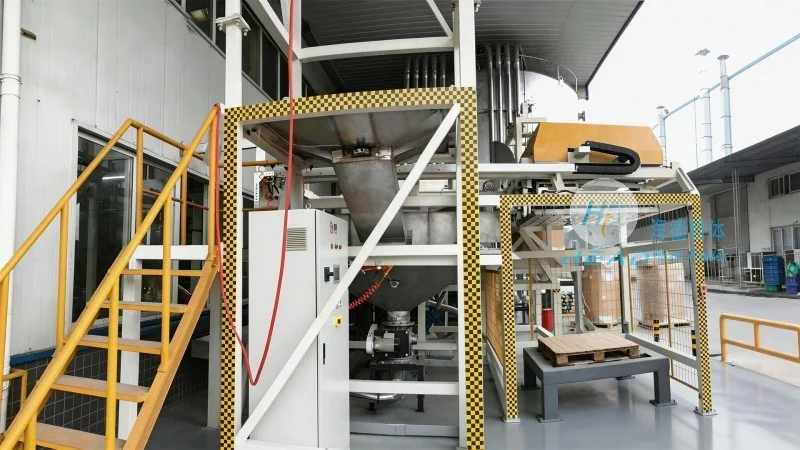
Understanding the Core Components of Phosphate Iron Pneumatic Conveying Systems
The fundamental components of a phosphate iron material pneumatic conveying line typically include a material hopper, a rotary airlock valve, a conveying pipeline, a dust collector, and a control system. The material hopper serves as the storage and feeding unit, where phosphate iron powders are loaded and prepared for transport. The rotary airlock valve acts as a critical sealing device, preventing air leakage and ensuring a controlled flow of material into the pipeline. The conveying pipeline, often made of corrosion-resistant materials like stainless steel or special polymers, transports the phosphate iron particles through the system. A dust collector is integrated to capture and filter any airborne particles, maintaining air quality and preventing contamination. The control system manages the entire operation, regulating air pressure, flow rates, and operational sequences to optimize performance. These components work in concert to ensure the smooth and reliable transport of phosphate iron materials, minimizing downtime and operational risks.
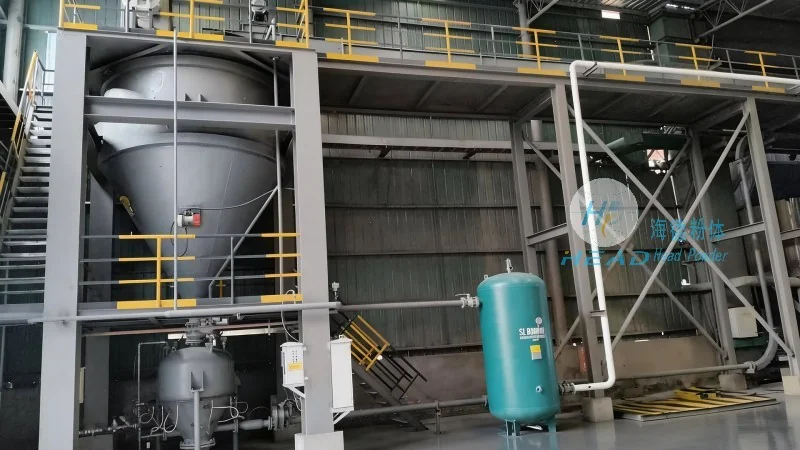
Key Design Principles for Efficient Phosphate Iron Material Handling
Designing a phosphate iron material pneumatic conveying line involves several key principles aimed at maximizing efficiency, minimizing wear, and ensuring safety. One primary principle is the selection of appropriate materials for components that come into direct contact with the phosphate iron powders. Since phosphate iron can be abrasive and corrosive, materials such as stainless steel, high-density polyethylene (HDPE), or specialized alloys are commonly used to resist wear and corrosion. Another critical principle is the optimization of air pressure and flow rates. The system must maintain sufficient air velocity to prevent material settling or blockages in the pipeline while avoiding excessive pressure that could lead to equipment damage or product degradation. The design also considers the particle size distribution of the phosphate iron material, as finer particles may require higher air velocities or different conveying methods to ensure smooth transport. Additionally, the system incorporates features like pulse-jet cleaning or self-cleaning filters in the dust collector to maintain efficiency over time, reducing maintenance needs and operational downtime. These design considerations collectively enhance the longevity and operational efficiency of the conveying line.
Applications and Benefits of Phosphate Iron Pneumatic Conveying Lines
Phosphate iron material pneumatic conveying lines are widely used in industries such as chemical manufacturing, mining, and food processing, where the handling of phosphate iron powders is essential. These systems offer several advantages over traditional bulk material handling methods, including reduced labor costs, minimized product contamination, and improved safety by eliminating manual handling of powders. The enclosed design of pneumatic conveying systems also helps prevent dust emissions, contributing to a cleaner working environment and compliance with environmental regulations. Furthermore, the flexibility of these systems allows for easy integration into existing production lines, enabling seamless material transfer between processes. The efficiency of phosphate iron pneumatic conveying lines is particularly valuable in high-volume production settings, where consistent and reliable material transport is critical to maintaining production throughput and product quality. For instance, in chemical plants producing phosphate-based fertilizers, these conveying lines ensure the precise and safe transfer of phosphate iron powders from storage to processing units, enhancing overall production efficiency.
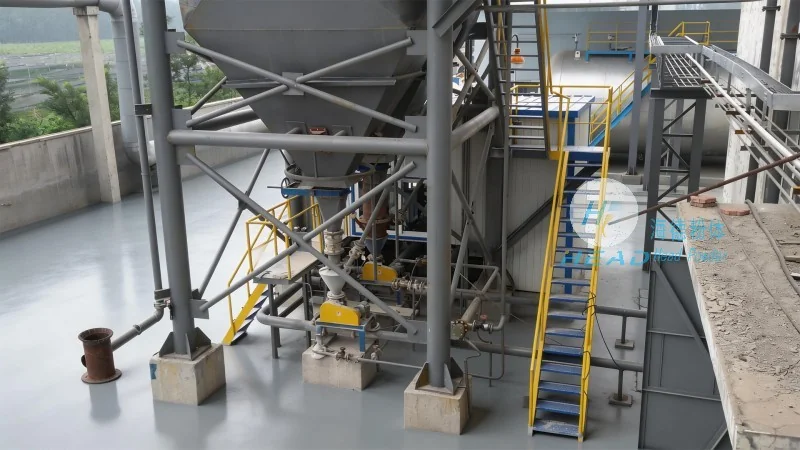
Customization and Scalability for Diverse Industrial Needs
Shandong HeadPowder Engineering Co., Ltd., a leading provider of industrial material handling solutions, specializes in designing and manufacturing customized phosphate iron material pneumatic conveying lines to meet the specific requirements of various industries. The company, based in Shandong, China, leverages advanced engineering expertise and state-of-the-art technology to develop tailored solutions that address the unique challenges of phosphate iron material handling. Their design approach focuses on optimizing system performance, ensuring durability, and enhancing operational efficiency. The company offers a range of customization options, including different pipeline configurations, air pressure systems, and control interfaces, to accommodate diverse production scales and operational conditions. Whether for small-scale laboratory applications or large-scale industrial production, Shandong HeadPowder Engineering Co., Ltd. provides reliable and efficient pneumatic conveying solutions that enhance productivity and safety in handling phosphate iron materials. With a strong commitment to quality and customer satisfaction, the company has established itself as a trusted partner in the industrial material handling sector, delivering innovative and effective solutions for phosphate iron material transport.