

What is an Expanded Clay Aggregate Material Pneumatic Conveying Line? And What Are Its Design Princi
Expanded clay aggregate material pneumatic conveying lines are specialized systems designed to transport bulk materials, such as expanded clay aggregates, through a pressurized or vacuum environment using air or other gas streams. These systems are widely used in industrial applications where efficient, dust-free, and flexible material handling is required. The core function of such a system is to move materials from a source to a destination without the need for mechanical components like belts or buckets, relying instead on the dynamics of fluidized particles and gas flow.
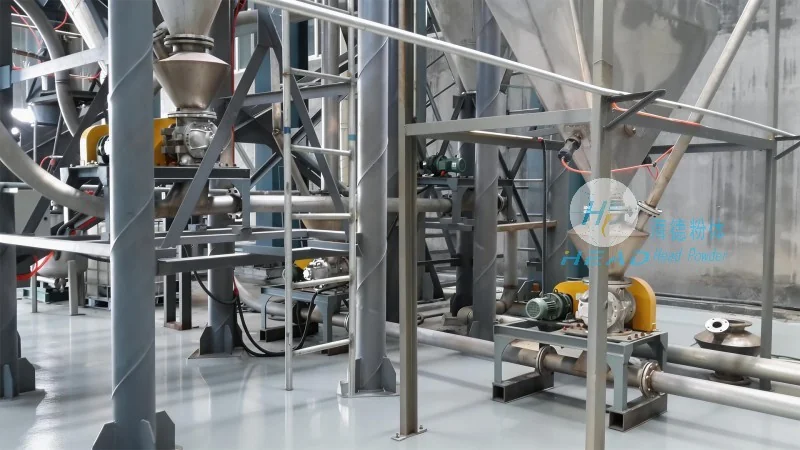
Key Components of a Pneumatic Conveying System
At the heart of an expanded clay aggregate material pneumatic conveying line are several critical components that work in concert to ensure reliable operation. The main components typically include a material feed hopper, a conveying pipeline, a pressure or vacuum source (like a blower or vacuum pump), and a receiving hopper or silo. The feed hopper is responsible for storing and feeding the expanded clay aggregate material into the system, while the pipeline transports the material through the system. The pressure or vacuum source provides the necessary force to move the material along the pipeline. The receiving hopper collects the material at the end of the conveying line.
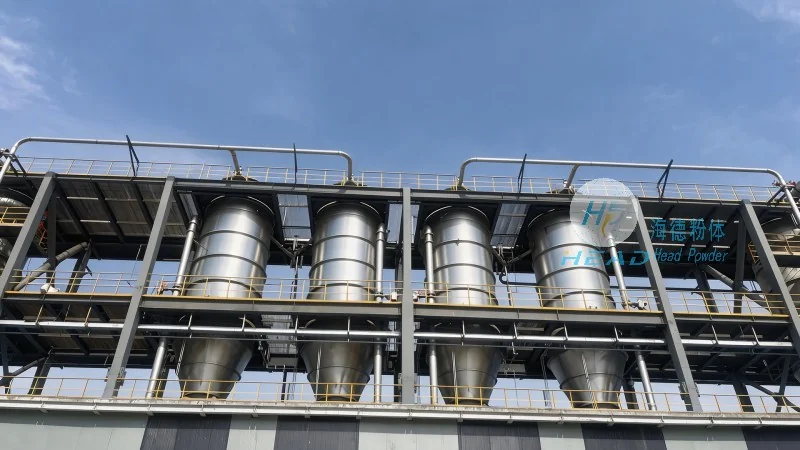
Design Principles for Efficient Material Transport
The design of an expanded clay aggregate material pneumatic conveying line is guided by several key principles to ensure optimal performance and minimal operational issues. One of the primary principles is the selection of the appropriate gas velocity. The gas velocity must be high enough to keep the material particles suspended in the gas stream but not so high as to cause excessive wear on the pipeline or equipment. This is often determined by the particle size, density, and shape of the expanded clay aggregate, as well as the desired conveying distance and system pressure. Another critical principle is the system's pressure drop, which is the difference in pressure between the inlet and outlet of the conveying line. Proper design minimizes pressure drop to reduce energy consumption and ensure consistent material flow. Additionally, the system's layout and pipeline configuration are crucial. The pipeline should be designed to minimize bends and changes in direction, as these can cause particle separation and increased pressure drop. The use of appropriate fittings, such as elbows and tees, is also important to maintain the flow of material and prevent blockages.
HeadPowder's Expertise in Pneumatic Conveying Solutions
Shandong HeadPowder Engineering Co., Ltd., commonly known as HeadPowder, is a leading provider of pneumatic conveying systems tailored to the needs of industries handling expanded clay aggregates and other bulk materials. With years of experience in the field, HeadPowder specializes in designing, manufacturing, and installing customized pneumatic conveying lines that meet the specific requirements of each client. The company's team of engineers and technicians work closely with clients to understand their material characteristics, operational needs, and budget constraints, ensuring that the final system is both efficient and cost-effective. HeadPowder's commitment to quality and innovation has made it a trusted partner for businesses seeking reliable material handling solutions. The company's facilities in Shandong, China, are equipped with state-of-the-art equipment and technology, allowing for the production of high-quality pneumatic conveying systems that adhere to international standards.
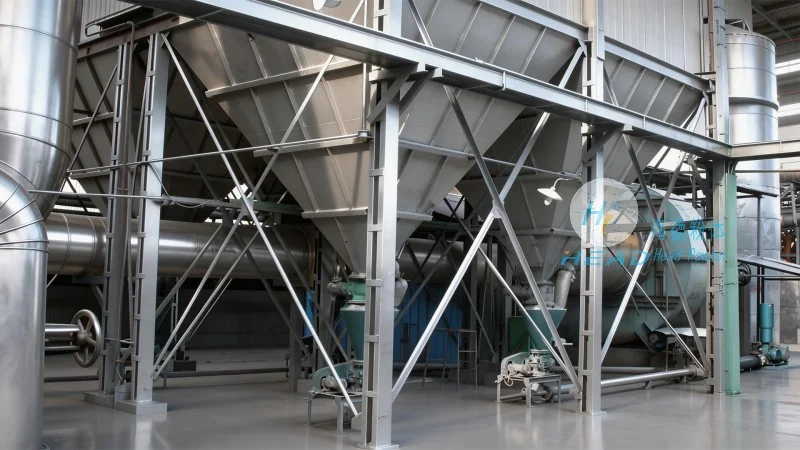
Benefits of Using an Expanded Clay Aggregate Material Pneumatic Conveying Line
Implementing an expanded clay aggregate material pneumatic conveying line offers numerous benefits for industrial operations. One of the most significant advantages is the reduction in dust and contamination, as the material is transported in a closed system. This not only improves workplace safety but also maintains the quality of the expanded clay aggregate, which is critical for applications like construction, horticulture, and filtration. Another benefit is the flexibility of the system, as it can be easily reconfigured or expanded to accommodate changes in production volume or material types. The system also reduces labor costs by automating the material handling process, allowing workers to focus on other tasks. Additionally, pneumatic conveying systems are generally more energy-efficient than traditional mechanical systems, as they use less power to transport the same amount of material over the same distance. Finally, the system's ability to handle a wide range of particle sizes and densities makes it suitable for various applications, from small-scale operations to large industrial plants.