

What is a Gypsum Granular Material Pneumatic Conveying Line? And What Are Its Design Principles?
HeadPowder, a leading engineering company based in Shandong, China, specializes in the design and implementation of advanced pneumatic conveying systems for handling gypsum granular materials. This article explores the fundamental concepts of such systems and the core design principles that ensure efficient and reliable material transport.
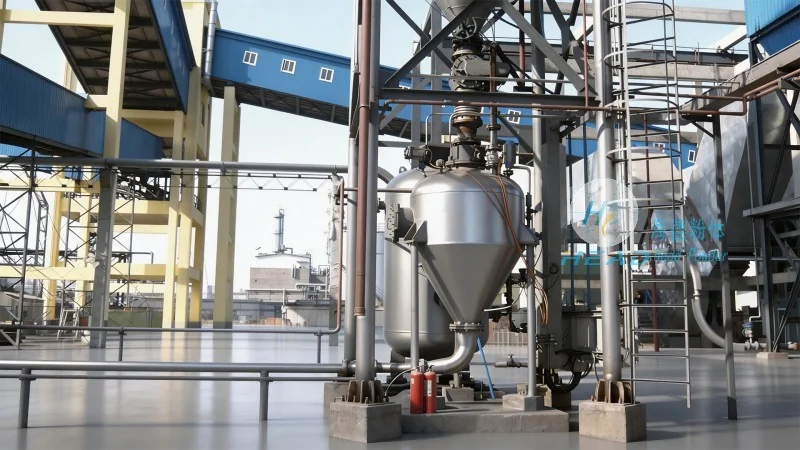
Understanding Pneumatic Conveying Technology
Pneumatic conveying is a method of transporting bulk materials through a pipeline using a stream of air or other gas. For gypsum granular materials, this technology offers a dust-free, low-maintenance, and flexible solution compared to traditional mechanical conveying systems. The process involves feeding the gypsum granules into a hopper, which then releases the material into a pipeline where it is carried by an air stream to the destination point.
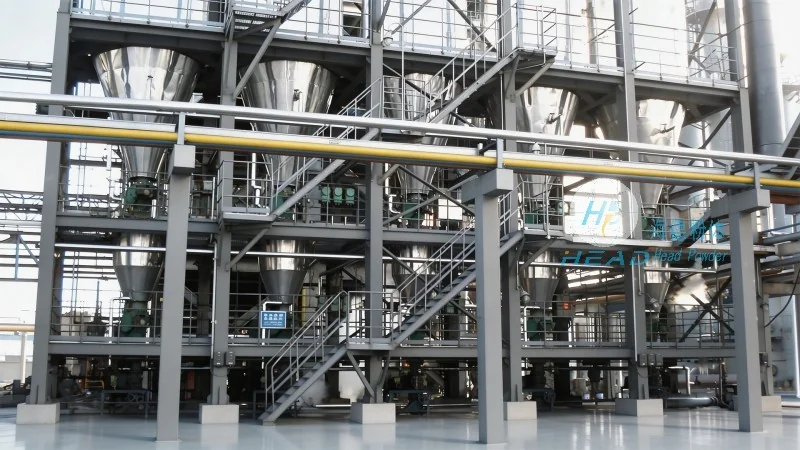
Key Components of a Gypsum Granular Material Pneumatic Conveying Line
The design of a gypsum granular material pneumatic conveying line typically includes several critical components that work in tandem to ensure optimal performance. These components include:
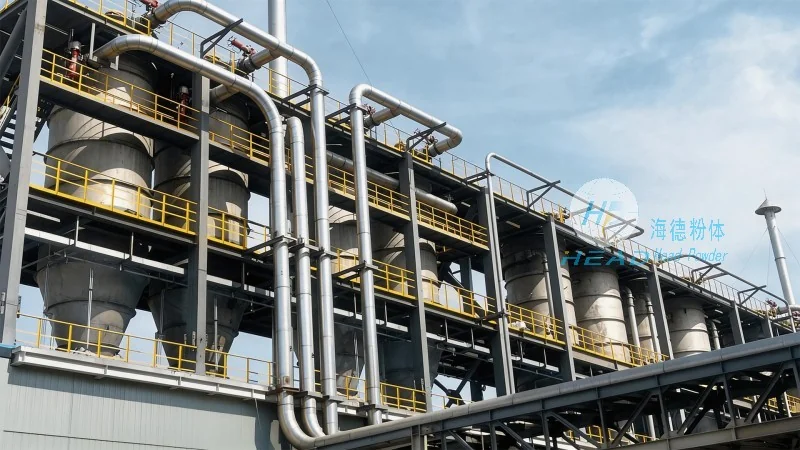
- Hoppers and Feeders: The initial stage involves a hopper where gypsum granules are stored. A feeder, such as a rotary valve or a screw feeder, controls the flow rate of the material into the conveying line, ensuring a consistent and controlled feed.
- Pneumatic Conveying Pipeline: The pipeline is the main channel through which the gypsum granules are transported. It is usually made of stainless steel or other corrosion-resistant materials to withstand the chemical properties of gypsum and prevent material buildup.
- Air Supply System: This system generates the necessary air pressure and flow rate to move the gypsum granules through the pipeline. It includes a blower or a compressor, along with air filters and regulators to maintain clean and controlled air quality.
- Control Valves and Diverters: These components are used to direct the flow of material to different destinations or to adjust the conveying rate as needed. They help in managing the pressure and flow within the system.
- Receiving Hoppers: At the end of the conveying line, a receiving hopper collects the gypsum granules. This hopper may include a discharge valve to control the release of the material to downstream processes.
Design Principles for Efficient Gypsum Granular Material Transport
The design of a gypsum granular material pneumatic conveying line is governed by several key principles to ensure efficiency, reliability, and minimal operational issues. These principles include:
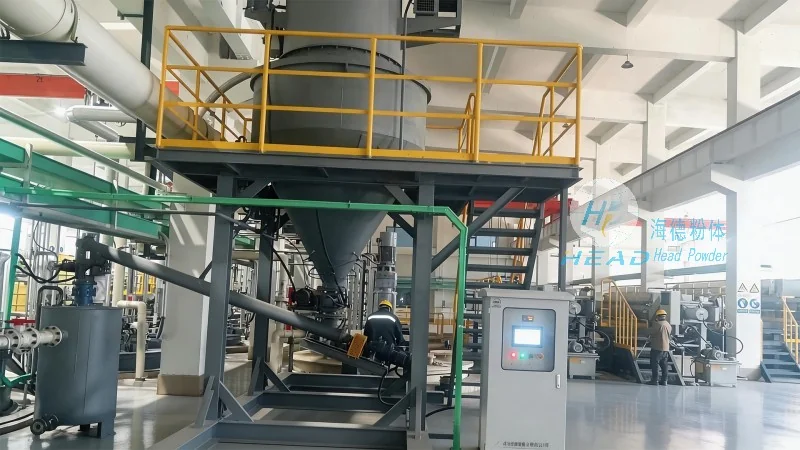
- Particle Size and Density Considerations: The size and density of gypsum granules are critical factors. Larger or denser particles may require higher air velocities and pressure to ensure proper suspension and transport. The design must account for these characteristics to avoid blockages or inefficient conveying.
- System Sizing and Air Flow Rate: Proper sizing of the pipeline diameter and the air flow rate is essential. The air velocity must be sufficient to keep the gypsum granules suspended but not so high as to cause excessive wear on the pipeline or equipment. Calculations based on the material's properties and conveying distance are crucial.
- Pressure Drop Management: The pressure drop along the pipeline is a key factor in determining the energy consumption of the system. Efficient design minimizes pressure drop by optimizing pipeline length, diameter, and bends, reducing the load on the air supply system.
- Material Handling and Wear Resistance: Gypsum can be abrasive, so the materials used for the pipeline, hoppers, and other components must be resistant to wear and corrosion. Stainless steel or specialized coatings are often used to extend the lifespan of the equipment.
- System Integration and Control: The conveying line must be integrated with the overall production process and equipped with control systems to monitor flow rates, pressure, and other parameters. This allows for real-time adjustments and ensures the system operates within optimal conditions.
Applications and Benefits of Gypsum Granular Material Pneumatic Conveying Lines
Gypsum granular material pneumatic conveying lines are widely used in various industries, including construction, manufacturing, and agriculture. The primary benefits of using such systems include: