

What is an Oxide Copper Material Pneumatic Conveying Line? And What Are Its Design Principles?
For industrial operations dealing with oxide copper materials, efficient and reliable material handling is crucial. A pneumatic conveying line, specifically designed for oxide copper, offers a solution that combines performance with durability. This article explores the concept of an oxide copper material pneumatic conveying line and delves into its design principles, highlighting the technology's benefits and practical applications.
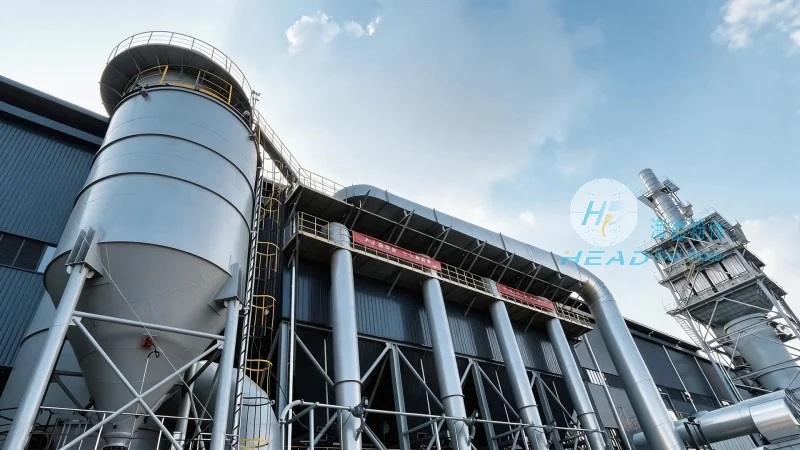
About Shandong HeadPowder Engineering Co., Ltd.
HeadPowder, a leading provider in the field of material handling systems, specializes in the design, manufacturing, and installation of advanced pneumatic conveying solutions. With a strong presence in China, particularly in Shandong, the company leverages years of experience to deliver customized systems tailored to the unique needs of oxide copper processing facilities. The company's commitment to quality and innovation ensures that clients receive equipment that meets the highest standards of performance and reliability.
Design Principles of Oxide Copper Pneumatic Conveying Lines
The design of an oxide copper material pneumatic conveying line is a complex process that requires careful consideration of several key factors. The primary goal is to ensure efficient material transport while minimizing wear and tear on the system components. Several design principles are fundamental to achieving this objective:
- Material Properties Analysis: Understanding the physical and chemical properties of oxide copper is essential. Oxide copper, often with varying particle sizes and moisture content, demands a conveying system that can handle these characteristics without clogging or degradation. The design must account for the material's density, flowability, and potential for agglomeration.
- System Sizing and Flow Rate: Proper sizing of the conveying line, including the diameter of the pipeline and the capacity of the air compressor, is critical. The flow rate must be optimized to maintain consistent material transport without excessive pressure drops or energy consumption. This involves calculating the required air volume and pressure based on the material's bulk density and the distance to be conveyed.
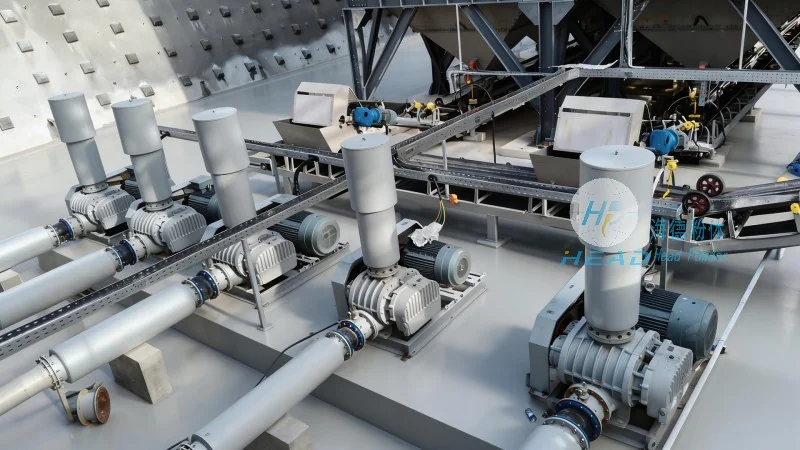
- Component Selection: Choosing the right components, such as airlocks, cyclones, and filters, is vital. Airlocks prevent material backflow and ensure a smooth transition between different sections of the line. Cyclones are used for separation and recovery of the conveyed material, while filters protect the system from dust and debris. The selection of these components is based on the specific characteristics of oxide copper and the operational requirements of the facility.
- Material Handling Efficiency: The design aims to maximize the efficiency of material handling. This includes minimizing downtime, reducing maintenance costs, and ensuring consistent product quality. Advanced control systems and monitoring tools are often integrated into the design to optimize performance and detect potential issues in real-time.
Advantages of Oxide Copper Pneumatic Conveying Systems
Implementing an oxide copper material pneumatic conveying line offers several advantages over traditional material handling methods. These benefits contribute to improved operational efficiency and cost savings for industrial facilities:
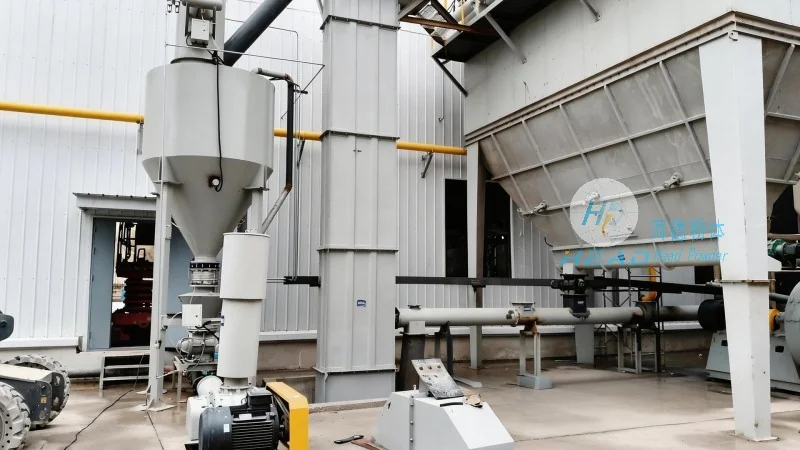
- Continuous and Uninterrupted Transport: Unlike mechanical conveyors that may experience downtime due to maintenance or blockages, pneumatic systems provide continuous material transport. This ensures a steady flow of oxide copper, reducing production delays and increasing overall productivity.
- Reduced Labor and Maintenance Costs: Pneumatic conveying systems typically require less manual labor for operation and maintenance compared to traditional methods. The automated nature of the system minimizes the need for frequent adjustments and repairs, leading to lower operational costs over time.
- Minimal Product Contamination: The enclosed nature of pneumatic conveying lines prevents contamination from external sources, such as dust or moisture. This is particularly important for oxide copper, which may be sensitive to environmental factors. The system maintains the purity of the material, ensuring consistent quality for downstream processes.
- Space Efficiency: Pneumatic conveying systems can be installed in tight spaces or overhead, making them ideal for facilities with limited floor space. The flexibility in system layout allows for integration into existing infrastructure without major structural modifications.
Applications in Oxide Copper Processing
Oxide copper material pneumatic conveying lines are widely used in various stages of copper processing. From raw material handling to intermediate processing and final product transport, the technology plays a crucial role in optimizing the workflow. Some common applications include:
- Raw Material Transport: Conveying oxide copper from storage silos or ore processing plants to the primary processing units. This ensures a steady supply of raw material for the refining process.
- Intermediate Processing: Moving processed oxide copper between different stages of the refining process, such as leaching, solvent extraction, and electrowinning. The system maintains the material's integrity and prevents contamination during these critical steps.
- Product Packaging and Distribution: Transporting finished oxide copper products to packaging lines or storage facilities. The efficient conveying system ensures that the final product is delivered in a timely and consistent manner.
Conclusion
An oxide copper material pneumatic conveying line is a sophisticated system designed to handle the unique challenges of oxide copper processing. By adhering to sound design principles and leveraging advanced technology, these systems provide reliable, efficient, and cost-effective material handling solutions. Companies like Shandong HeadPowder Engineering Co., Ltd. specialize in developing customized pneumatic conveying lines that meet the specific requirements of oxide copper facilities, ensuring optimal performance and long-term operational success.