

What is a Silica Fume Material Pneumatic Conveying Line? And What Are Its Design Principles?
For industrial applications that require the efficient and safe transport of silica fume—a fine powder used in concrete production and other high-performance materials—pneumatic conveying systems have become a critical solution. These systems use air or other gases to move the material through a network of pipes, offering advantages such as reduced contamination, improved safety, and lower maintenance compared to traditional mechanical conveying methods. This article explores the concept of a silica fume material pneumatic conveying line, detailing its components, operational principles, and key design considerations.
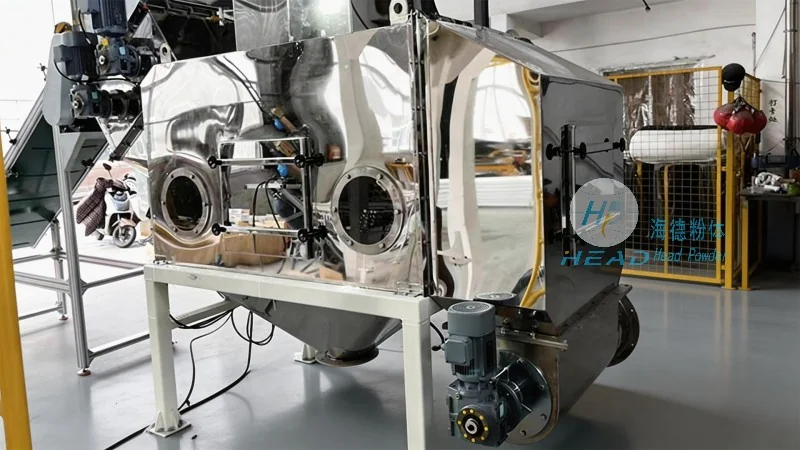
Understanding Silica Fume and Its Handling Requirements
Silica fume, also known as microsilica, is a byproduct of silicon metal or ferrosilicon production. It consists of extremely fine particles (typically 0.1–0.2 microns in diameter) that are highly cohesive and prone to dust generation. Due to its fine particle size and reactivity, handling silica fume requires specialized equipment to prevent caking, agglomeration, and dust exposure. Pneumatic conveying lines are designed to address these challenges by utilizing air to transport the material in a controlled manner, minimizing the risk of material degradation and ensuring compliance with occupational health and safety regulations.
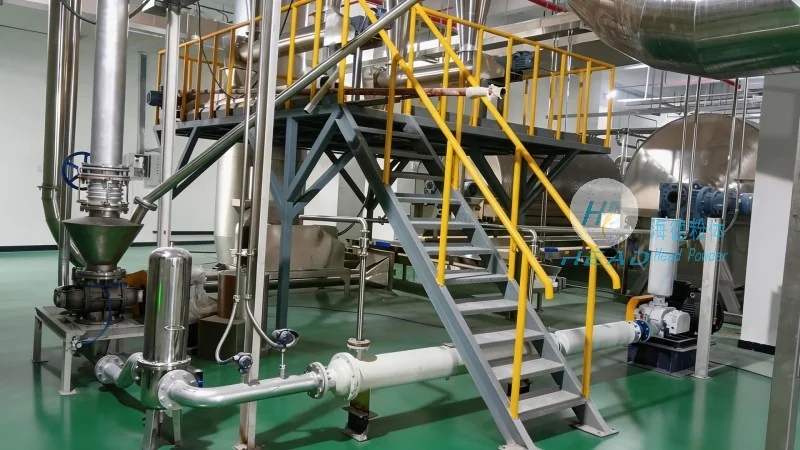
Key Components of a Silica Fume Pneumatic Conveying Line
A typical silica fume pneumatic conveying system includes several essential components, each playing a vital role in the overall operation. The primary components are:
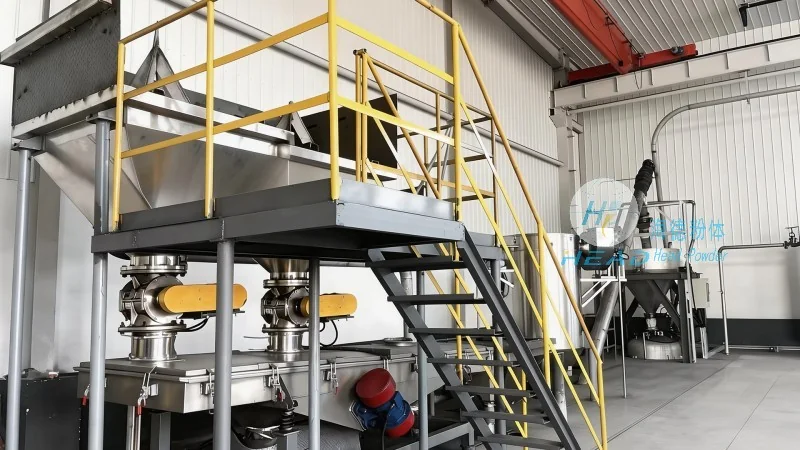
- Feed Hopper: A container that stores the silica fume and feeds it into the conveying line. The hopper is equipped with a metering device, such as a rotary valve or screw feeder, to control the flow rate of the material.
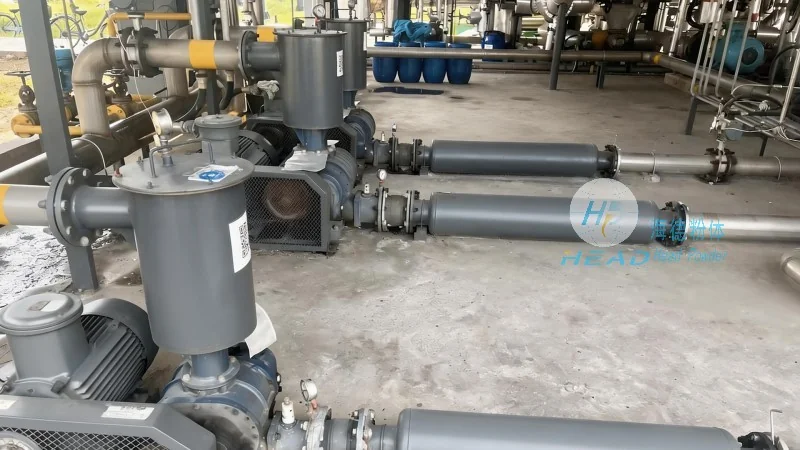
- Pneumatic Conveying Unit: The core of the system, which generates the air flow to move the material. This unit can be either positive pressure (where air is blown into the line) or negative pressure (where air is drawn out of the line). For silica fume, positive pressure systems are often preferred as they provide better control over the material flow and reduce the risk of dust leakage.
- Piping System: A network of pipes that transports the silica fume from the feed hopper to the discharge point. The piping is typically made of stainless steel or other corrosion-resistant materials to prevent contamination and ensure durability.
- Receiver Tank: A container that collects the silica fume at the end of the conveying line. The receiver is equipped with a discharge valve to control the release of the material into storage or processing equipment.
- Control System: A set of sensors and controllers that monitor and regulate the operation of the system. This includes pressure sensors, flow meters, and control valves to maintain optimal air pressure and material flow rates.
Design Principles for Efficient Silica Fume Pneumatic Conveying
The design of a silica fume pneumatic conveying line must consider several factors to ensure efficient and reliable operation. Key design principles include:
- Particle Size and Flow Rate: The particle size of silica fume affects the required air velocity and pressure. Fine particles require higher air velocities to prevent clogging and ensure smooth transport. The flow rate is controlled by the feed hopper and metering device to maintain consistent material delivery.
- Air Velocity and Pressure: The air velocity in the conveying line must be sufficient to lift and transport the silica fume particles without causing excessive wear on the system components. The pressure is typically maintained at a level that balances material transport efficiency with energy consumption and equipment durability.
- Piping Layout and Bends: The design of the piping system, including the number and angle of bends, is critical to minimize pressure losses and prevent material buildup. Smooth, gradual bends are preferred to avoid clogging and maintain consistent air flow.
- Material Compatibility: The materials used for the hopper, piping, and other components must be compatible with silica fume to prevent corrosion or contamination. Stainless steel is commonly used due to its resistance to chemical attack and ability to handle fine powders.
- Safety and Environmental Considerations: The system must be designed to minimize dust emissions and ensure worker safety. This includes features such as dust collection systems, explosion-proof components, and proper ventilation to prevent the accumulation of silica fume dust.
Applications and Benefits of Silica Fume Pneumatic Conveying Lines
Silica fume pneumatic conveying lines are widely used in industries that require the handling of fine powders, including concrete production, refractory materials, and specialty chemicals. The benefits of using such systems include:
- Efficient Material Transport: Pneumatic conveying allows for the rapid and continuous transport of silica fume over long distances, improving production efficiency and reducing downtime.
- Reduced Contamination: The enclosed system prevents contamination from external sources and minimizes cross-contamination between different materials.
- Improved Safety: By eliminating the need for manual handling of fine powders, the system reduces the risk of dust exposure and associated health hazards.
- Lower Maintenance: Compared to mechanical conveying systems, pneumatic systems have fewer moving parts and lower maintenance requirements, resulting in lower operational costs.
- Scalability: The system can be easily scaled to accommodate varying production volumes, making it suitable for both small-scale and large-scale industrial applications.
Conclusion
Silica fume material pneumatic conveying lines are essential equipment for industries that rely on fine powders like silica fume. By understanding the design principles and components of these systems, manufacturers can optimize their operations, improve safety, and reduce costs. As a leading provider of engineering solutions for material handling, Shandong HeadPowder Engineering Co., Ltd. specializes in designing and manufacturing customized pneumatic conveying systems tailored to the specific needs of silica fume applications. With a focus on efficiency, safety, and durability, their solutions help businesses enhance productivity and ensure compliance with industry standards.