

What is a Hydrated Lime Material Pneumatic Conveying Line? And What Are Its Design Principles?
For industrial applications involving the handling of hydrated lime, a specialized pneumatic conveying line is often employed to ensure efficient and safe material transport. This system is designed to move bulk materials like hydrated lime from one location to another within a facility, or even between different facilities, with minimal human intervention and optimal performance. Understanding the components and design principles of such a conveying line is crucial for industries that rely on consistent and reliable material flow.
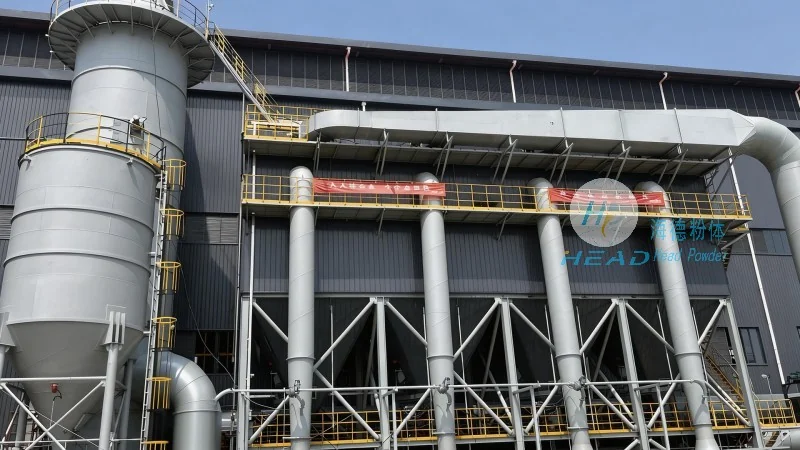
Understanding Hydrated Lime Material Pneumatic Conveying Systems
At the core of a hydrated lime material pneumatic conveying line is the ability to transport dry, powdery materials through a pressurized or vacuum system. Hydrated lime, also known as slaked lime, is a common chemical used in various industries, including construction, agriculture, and water treatment. Its fine particle size and hygroscopic nature make it challenging to handle using traditional methods like belt conveyors or bucket elevators. A pneumatic conveying system addresses these challenges by using air or gas to move the material through a network of pipes, hoses, or ducts.
The system typically consists of several key components, including a material feed hopper, a conveying duct, a control valve, a dust collector, and a discharge outlet. The feed hopper stores the hydrated lime and feeds it into the system at a controlled rate. The conveying duct is where the material is propelled by the air flow, either through positive pressure (where air is blown into the system) or negative pressure (where air is drawn out). The control valve regulates the flow of material and air, ensuring smooth operation and preventing blockages. The dust collector captures any airborne particles to maintain air quality and prevent contamination. The discharge outlet delivers the hydrated lime to its final destination, such as a storage silo or a processing unit.
Design Principles for Efficient Hydrated Lime Conveying
The design of a hydrated lime material pneumatic conveying line is based on several key principles to ensure optimal performance, reliability, and safety. One of the primary considerations is the material's properties, such as its particle size, density, and moisture content. These factors determine the appropriate air velocity and pressure required to move the material without causing blockages or excessive wear on the system components. For hydrated lime, which has a fine particle size and can be prone to caking or agglomeration, the system must be designed to maintain a consistent air flow and prevent material buildup in the ducts.
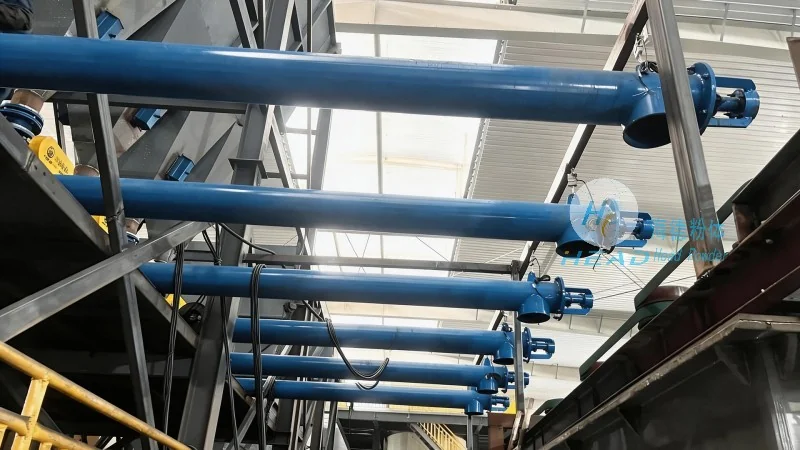
Another critical design principle is the system's capacity and throughput. The conveying line must be sized to handle the required volume of hydrated lime, taking into account the production rate and the distance between the feed and discharge points. The duct diameter and length are carefully calculated to ensure that the air velocity remains within the optimal range for material transport, typically between 20 to 30 meters per second for dry powders like hydrated lime. The system's pressure drop is also a key factor, as it affects the energy consumption and the overall efficiency of the conveying process. Proper design minimizes pressure drop, reducing the need for high-pressure air compressors and lowering operational costs.
Material selection is another important aspect of the design. The components of the conveying line, such as the ducts, valves, and fittings, must be made of materials that are resistant to corrosion and wear from the hydrated lime. Since hydrated lime is a caustic material, it can cause chemical reactions with certain metals, leading to degradation over time. Therefore, materials like stainless steel, polyethylene, or special coatings are often used to protect the system from corrosion and maintain its integrity. The feed hopper and discharge outlet are also designed to prevent material leakage and ensure easy cleaning, as hydrated lime can be difficult to remove from equipment.
Benefits of Using a Hydrated Lime Pneumatic Conveying Line
Implementing a pneumatic conveying system for hydrated lime offers several advantages over traditional material handling methods. One of the most significant benefits is the ability to handle the material in a dust-free environment, which improves workplace safety and reduces the risk of respiratory issues for workers. Unlike belt conveyors or bucket elevators, which can generate significant dust and require additional dust control measures, a pneumatic system contains the material within the ducts, minimizing exposure to airborne particles.
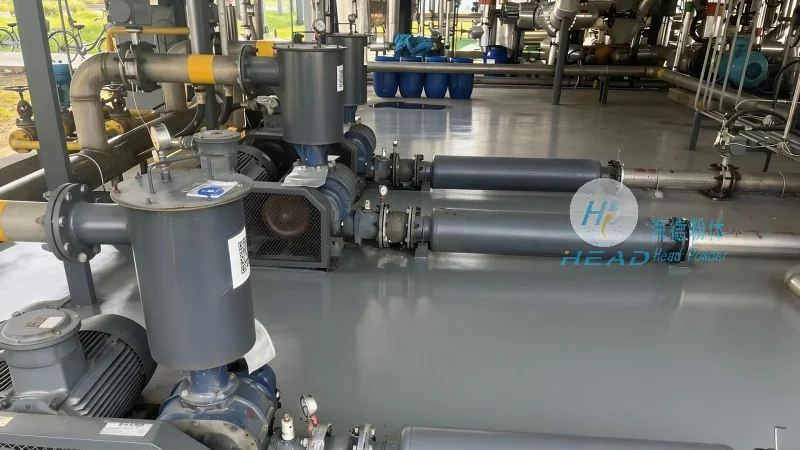
Another advantage is the flexibility of the system. Pneumatic conveying lines can be easily reconfigured to change the route of the material flow, allowing for changes in production processes or facility layout without major modifications. The system can also handle multiple feed points and discharge points, making it suitable for complex industrial setups where materials need to be distributed to several locations. Additionally, the system is relatively compact compared to other bulk material handling equipment, saving valuable floor space in industrial facilities.
Operational efficiency is also a key benefit. By using a controlled air flow to move the material, the system can achieve high throughput with minimal energy consumption. The absence of moving parts in the conveying ducts reduces maintenance requirements and downtime, as there are fewer components that can wear out or break. This results in lower maintenance costs and higher overall system reliability. Furthermore, the system can be integrated with other process equipment, such as storage silos or processing units, to create a seamless material flow from raw material to finished product, improving overall production efficiency.
Customization and Integration with HeadPowder Engineering
Shandong HeadPowder Engineering Co., Ltd., a leading provider of bulk material handling solutions, specializes in designing and manufacturing customized pneumatic conveying systems for hydrated lime and other similar materials. With years of experience in the industry, HeadPowder understands the unique challenges of handling fine, hygroscopic materials like hydrated lime and offers tailored solutions to meet the specific needs of each client.