

What is an Aluminum Dross Material Pneumatic Conveying Line? And What Are Its Design Principles?
Aluminum dross, a byproduct of aluminum smelting and processing, poses significant challenges in material handling due to its abrasive nature and varying particle sizes. The efficient and safe transportation of aluminum dross is crucial for industrial operations, and this is where specialized equipment like the aluminum dross material pneumatic conveying line comes into play. This article explores the functionality of such a system and delves into its core design principles, highlighting how they address the unique demands of handling this challenging material.
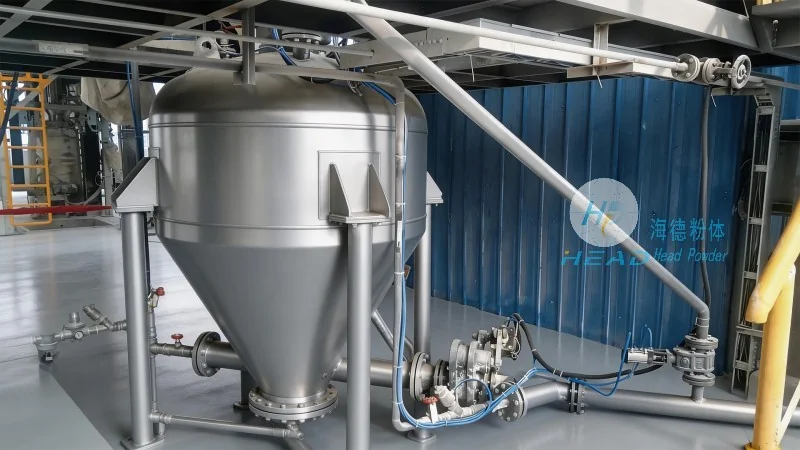
Product Overview: Aluminum Dross Material Pneumatic Conveying Line
The aluminum dross material pneumatic conveying line is a sophisticated system engineered to transport aluminum dross from one location to another using air as the conveying medium. Unlike traditional mechanical conveyors, which may struggle with the abrasive and variable properties of aluminum dross, this pneumatic system offers a flexible and efficient solution. It is designed to handle the specific characteristics of aluminum dross, including its high temperature, corrosive potential, and the need for minimal material degradation during transport. The system typically consists of components such as a hopper for material storage, a feeder to control the flow rate, a conveying pipeline, and a receiver for the material's final destination. These components work in tandem to ensure a smooth and continuous transfer of aluminum dross, minimizing downtime and operational risks.
Design Principles: Ensuring Efficiency and Reliability
The design of an aluminum dross material pneumatic conveying line is based on several key principles aimed at optimizing performance and durability. First, the system must accommodate the abrasive nature of aluminum dross, which can cause wear on components over time. Therefore, materials such as high-quality stainless steel or specialized alloys are often used for critical parts like the hopper, feeder, and pipeline to resist corrosion and wear. Second, the design considers the variable particle size and density of aluminum dross. The feeder is engineered to provide a consistent flow rate, preventing blockages or uneven material distribution in the pipeline. This is achieved through adjustable valves and sensors that monitor the material flow and adjust accordingly. Third, the system incorporates pressure control mechanisms to maintain optimal air pressure within the pipeline. This ensures that the material is conveyed at a steady velocity, reducing the risk of material degradation or system failure. Additionally, the design emphasizes safety features, such as explosion-proof components and pressure relief valves, to protect against potential hazards associated with handling aluminum dross.
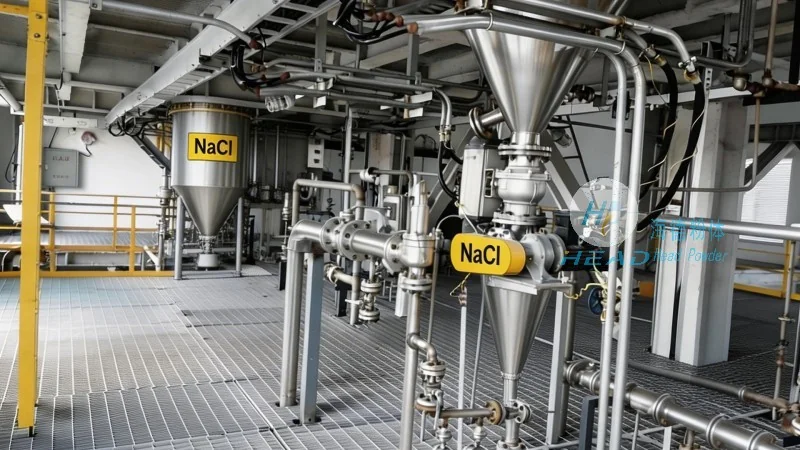
Key Components and Their Functions
Each component of the aluminum dross material pneumatic conveying line plays a vital role in the overall operation. The hopper serves as the primary storage vessel, holding the aluminum dross before it is fed into the system. It is designed with a sloped bottom to facilitate material flow and prevent accumulation. The feeder, often a rotary valve or a screw feeder, controls the rate at which aluminum dross is introduced into the pipeline. This component is crucial for maintaining a consistent flow rate, which is essential for preventing blockages and ensuring smooth conveying. The conveying pipeline is typically made of durable materials like stainless steel or PVC, chosen for their resistance to corrosion and wear from the abrasive aluminum dross. The pipeline is usually inclined at a specific angle to assist in the material's movement, and it may include bends and elbows that are designed to minimize pressure loss and maintain the material's velocity. The receiver is the final destination for the aluminum dross, where it is collected and prepared for further processing or disposal. It is equipped with a dust collection system to capture any airborne particles and ensure environmental compliance.
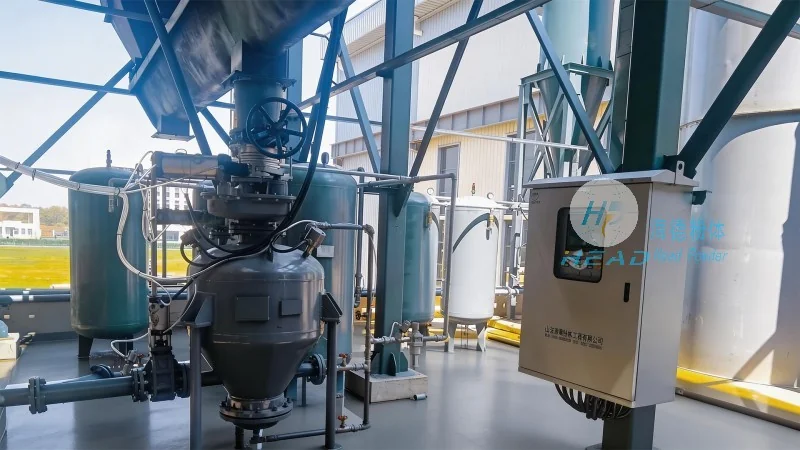
Advantages of Using a Pneumatic Conveying Line for Aluminum Dross
Implementing an aluminum dross material pneumatic conveying line offers several advantages over traditional conveying methods. First, it provides a dust-free and enclosed system, reducing the risk of airborne contamination and improving workplace safety. This is particularly important in environments where aluminum dross can be hazardous if inhaled or come into contact with skin. Second, the system offers high flexibility in terms of layout and routing. The pipeline can be installed in various configurations, allowing for the conveyance of aluminum dross to different locations within a facility without the need for extensive reconfiguration. Third, the pneumatic system is capable of handling a wide range of particle sizes and densities, making it suitable for different stages of aluminum dross processing. Fourth, the system is relatively low maintenance compared to mechanical conveyors, as it has fewer moving parts that require regular servicing. This reduces operational costs and downtime, contributing to overall efficiency.
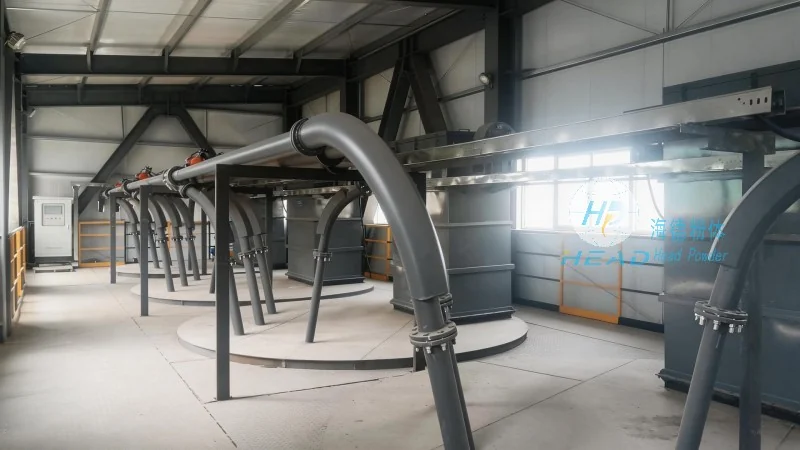
Application Scenarios and Operational Considerations
The aluminum dross material pneumatic conveying line is widely used in various industrial applications, particularly in aluminum smelting and recycling facilities. It is commonly employed to transport aluminum dross from the melting furnace to the processing area, where it is further treated to recover valuable aluminum and other metals. The system is also used in the disposal of aluminum dross, where it is conveyed to landfills or recycling centers. Operational considerations for the system include regular maintenance of components, such as cleaning the pipeline and replacing worn parts, to ensure optimal performance. Additionally, the system should be equipped with monitoring systems to track pressure, flow rate, and material levels, allowing for real-time adjustments and troubleshooting. Proper training of operators is also essential to ensure safe and efficient operation of the pneumatic conveying line.
Conclusion: The Role of Aluminum Dross Material Pneumatic Conveying Line in Modern Industry
In conclusion, the aluminum dross material pneumatic conveying line is a critical piece of equipment for handling aluminum dross in industrial settings. Its design principles, which prioritize efficiency, durability, and safety, address the unique challenges posed by this material. By using air as the conveying medium, the system offers a flexible and effective solution for transporting aluminum dross, reducing operational risks and improving overall productivity. As aluminum production and recycling continue to grow, the demand for such specialized equipment will likely increase, making the aluminum dross material pneumatic conveying line an essential component of modern industrial operations. Shandong HeadPowder Engineering Co., Ltd., a leading provider of such systems, offers customized solutions tailored to the specific needs of aluminum processing facilities, ensuring that clients can achieve optimal performance and reliability in their material handling processes.