

What is a Sesame Material Pneumatic Conveying System? And What Are Its Design Principles?
For businesses in the food processing industry, particularly those handling sesame seeds, efficient and reliable material handling solutions are crucial. One such technology is the sesame material pneumatic conveying system, which offers a modern approach to transporting and processing these delicate and valuable seeds. This article explores what these systems are and the key design principles that underpin their operation.
Understanding Sesame Material Pneumatic Conveying Systems
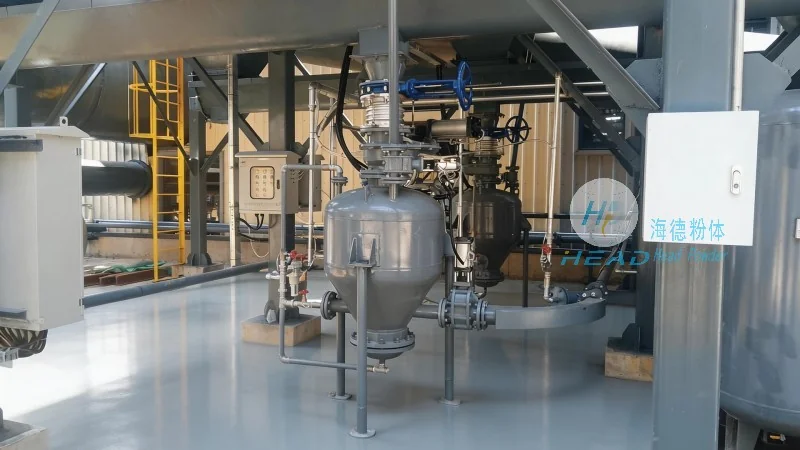
A pneumatic conveying system, also known as an air conveyor, is a method of transporting bulk materials like sesame seeds through a pipeline using compressed air or a vacuum. Unlike traditional mechanical conveyors, which rely on belts or buckets, pneumatic systems use air to move the material, making them ideal for handling fine, light, or dusty products such as sesame seeds. The system typically consists of a hopper for material storage, a conveyor line (either positive or negative pressure), and a collection or processing unit.
Key Components of a Sesame Material Pneumatic Conveying System
At the core of any pneumatic conveying system are several critical components that work together to ensure efficient operation. The first is the material hopper, which holds the sesame seeds and provides a consistent feed to the system. The hopper is designed to minimize material bridging and ensure a steady flow into the conveyor line. Next, the conveyor line itself, which can be either a positive pressure system (where air is blown into the line to push the material) or a negative pressure system (where a vacuum is created to pull the material). For sesame seeds, positive pressure systems are often preferred as they provide better control over the material flow and reduce the risk of dust contamination.
Another essential component is the air compressor or vacuum pump, which supplies the necessary air pressure or vacuum to move the material. The choice of compressor depends on the system's capacity and the material's characteristics. Additionally, the system includes a filter and dust collection unit to capture any particles that escape the pipeline, ensuring compliance with environmental regulations and maintaining air quality. Finally, the receiving hopper or processing unit where the material is deposited for further processing or packaging.
Design Principles for Optimal Performance
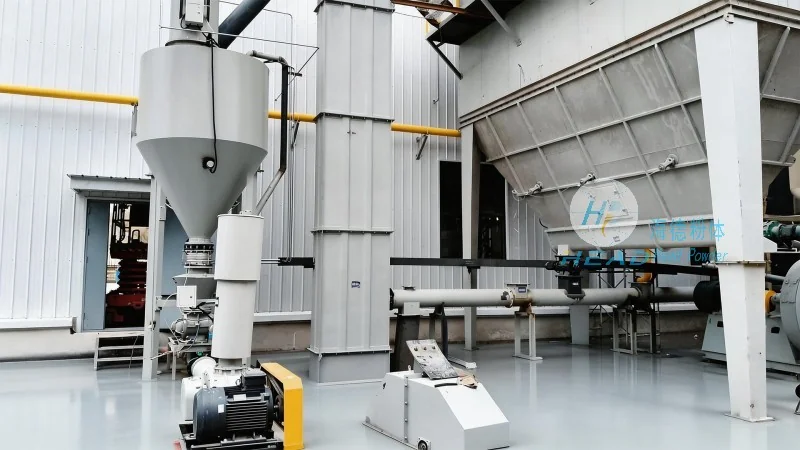
The design of a sesame material pneumatic conveying system is guided by several key principles to ensure efficiency, reliability, and minimal product damage. The first principle is the selection of the appropriate conveying method based on the material's properties. Sesame seeds are relatively light and have a tendency to generate dust, so the system must be designed to handle these characteristics without causing excessive wear or clogging. This involves choosing the right pipeline diameter, air velocity, and pressure levels to maintain a consistent flow.
Second, the system's layout must be carefully planned to minimize pressure drops and energy consumption. Long or complex pipeline configurations can lead to increased energy costs and reduced system efficiency. Therefore, designers often use straight sections of pipe with minimal bends or use special fittings to reduce friction losses. The use of airlocks or rotary valves at the inlet and outlet of the system also helps to control the flow and prevent backflow, which can damage the material.
Third, the system must be designed with the material's handling requirements in mind. Sesame seeds are sensitive to moisture and temperature changes, so the conveying system should be enclosed to prevent contamination and maintain consistent conditions. The materials used for the pipeline and components should be food-grade and corrosion-resistant to ensure long-term durability and safety. Additionally, the system should be equipped with monitoring and control devices to allow operators to adjust parameters such as air pressure or flow rate in real-time, optimizing performance based on the material's characteristics.
Benefits of Using a Sesame Material Pneumatic Conveying System
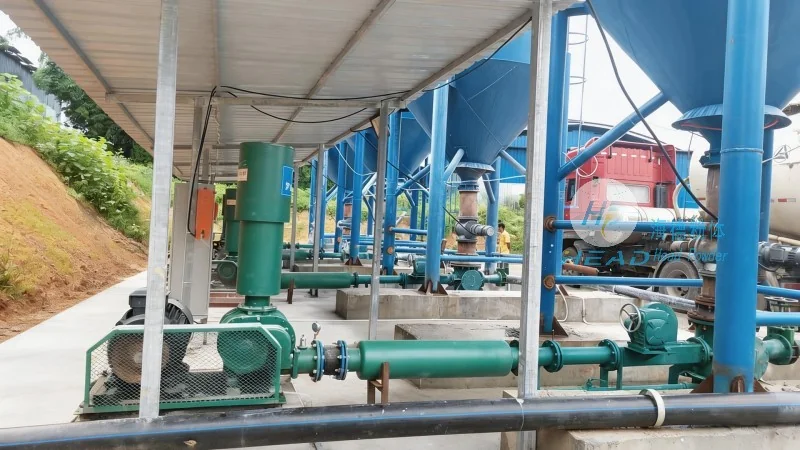
Implementing a pneumatic conveying system for sesame seeds offers several advantages over traditional methods. First, it provides a clean and hygienic method of handling the material, reducing the risk of contamination from external sources. The enclosed system prevents dust from entering the environment, making it suitable for food processing facilities where hygiene is paramount. Second, pneumatic systems are highly flexible and can be easily integrated into existing production lines. They can transport materials over long distances and through multiple processing stages without the need for multiple transfer points, improving overall efficiency.
Third, the system is energy-efficient compared to other conveying methods, especially when designed with optimal pressure and flow rates. By minimizing pressure drops and using efficient air compressors, the system can reduce energy consumption while maintaining high throughput. Fourth, the system reduces labor costs by automating the material handling process, allowing operators to focus on other tasks. Finally, the system is low-maintenance, with fewer moving parts compared to mechanical conveyors, reducing downtime and repair costs.
Conclusion
In conclusion, a sesame material pneumatic conveying system is a sophisticated and efficient solution for handling sesame seeds in food processing operations. By understanding the design principles and key components of such a system, businesses can select and implement a solution that meets their specific needs, ensuring optimal performance, hygiene, and cost-effectiveness. Companies like Shandong HeadPowder Engineering Co., Ltd., a leading manufacturer in this field, offer tailored pneumatic conveying systems that are designed to handle the unique challenges of sesame seed processing, providing reliable and efficient material handling solutions for the food industry.