

What is a Fiber Material Pneumatic Conveying System? And What Are Its Design Principles?
Understanding the fundamentals of fiber material pneumatic conveying systems is crucial for industries dealing with bulk materials that require efficient, safe, and reliable transport. This article explores the core concepts of such systems, focusing on their design principles and practical applications.
Introduction to Fiber Material Pneumatic Conveying Systems
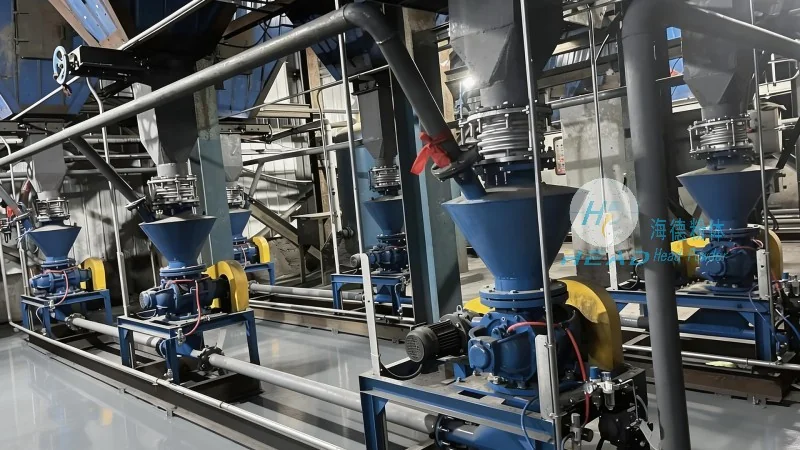
A fiber material pneumatic conveying system is a mechanical process that uses pressurized air or gas to transport dry, free-flowing bulk materials, including fibers, powders, and granules, from one location to another. Unlike traditional mechanical conveyors, which rely on belts, screws, or buckets, pneumatic systems utilize air flow to move materials through pipelines. This method is particularly advantageous for handling delicate or abrasive materials that could be damaged by mechanical contact or for applications requiring long-distance transport without intermediate storage.
Key Components of a Pneumatic Conveying System
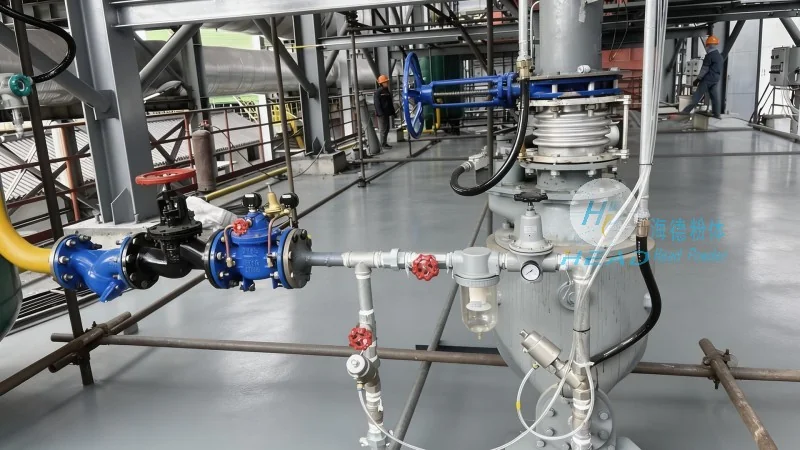
At the heart of a fiber material pneumatic conveying system are several critical components that work in tandem to ensure efficient material transport. These components include the air compressor, which generates the necessary pressure to move materials; the feed hopper, which stores and feeds the material into the system; the conveying line, typically made of metal or flexible tubing, that transports the material; and the separator, which separates the material from the air at the receiving end. Additionally, filters are often integrated to capture fine particles and prevent air pollution, while regulators control the air pressure and flow rate to maintain optimal system performance.
Design Principles for Efficient Fiber Material Transport
The design of a fiber material pneumatic conveying system is governed by several key principles aimed at maximizing efficiency, minimizing material degradation, and ensuring system reliability. One of the primary design considerations is the air-to-material ratio, which refers to the volume of air used per unit weight of material. This ratio must be carefully optimized to prevent material clogging or excessive air consumption. For fiber materials, which can be prone to bridging or agglomeration, the design often incorporates features like agitation devices or air knives to maintain material flow and prevent blockages.
Another critical design principle is the pipeline layout, which must account for the material's physical properties, such as its density, moisture content, and flowability. The system's design typically includes a combination of horizontal and vertical pipe segments, with appropriate bends and elbows to minimize pressure losses and prevent material deposition. For long-distance transport, the use of positive displacement blowers or centrifugal fans may be employed, depending on the required pressure and flow rate. The choice of pipeline material, such as stainless steel or plastic, also plays a role in preventing corrosion or material contamination.
Advantages of Fiber Material Pneumatic Conveying Systems
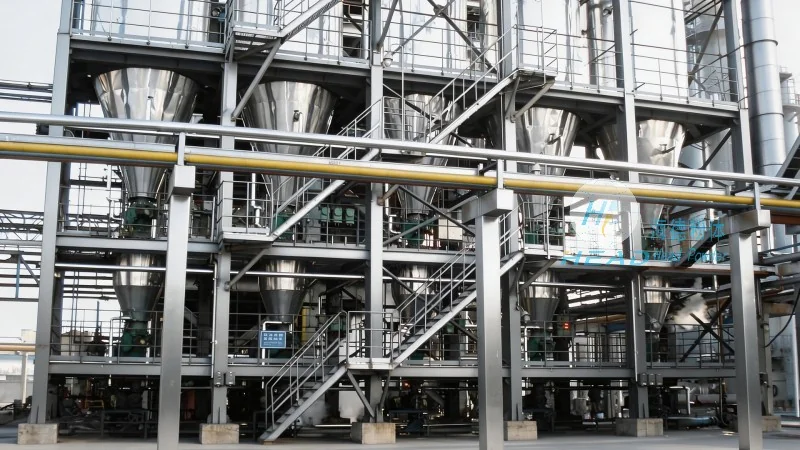
Fiber material pneumatic conveying systems offer several advantages over traditional mechanical conveyors, making them a preferred choice for many industries. These benefits include non-contact material handling, which reduces wear and tear on the material and prevents contamination; flexibility, as the system can be easily reconfigured or expanded to accommodate changing production needs; and compactness, as the components can be arranged in a relatively small footprint. Additionally, pneumatic systems are well-suited for cleanroom environments, as they can be designed to minimize dust generation and maintain high levels of air purity. The ability to transport materials over long distances without intermediate storage also reduces the need for additional equipment and labor, leading to cost savings and increased operational efficiency.
Applications in Various Industries
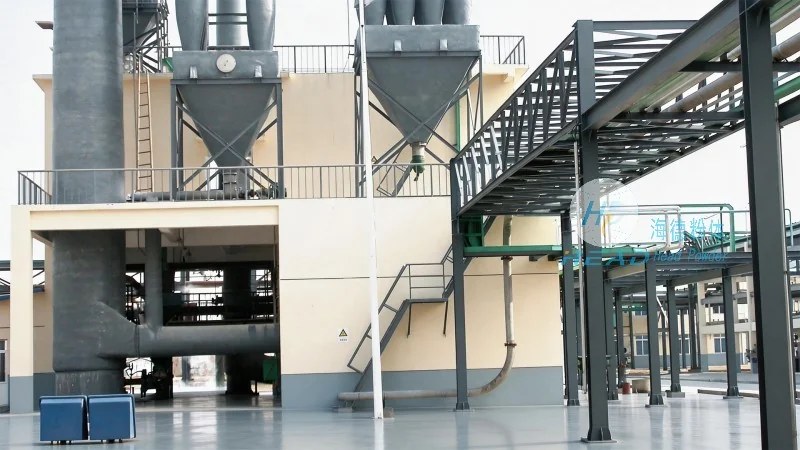
Fiber material pneumatic conveying systems are widely used across a range of industries, including pharmaceuticals, food processing, chemical manufacturing, and mining. In the pharmaceutical industry, for example, these systems are used to transport sensitive powders and fibers while maintaining strict hygiene standards. In food processing, they are employed to handle ingredients like flour, sugar, and spices, ensuring that the materials remain uncontaminated and free from mechanical damage. Chemical manufacturers utilize pneumatic systems to transport abrasive or corrosive materials, while mining operations use them to move bulk ores and minerals from processing plants to storage facilities.
Conclusion and Company Overview
Designing an effective fiber material pneumatic conveying system requires a deep understanding of material properties, system dynamics, and operational requirements. By adhering to key design principles, such as optimizing the air-to-material ratio, selecting appropriate components, and ensuring proper pipeline layout, manufacturers can achieve efficient and reliable material transport. Shandong HeadPowder Engineering Co., Ltd., a leading provider in this field, specializes in the design, manufacturing, and installation of high-quality pneumatic conveying systems tailored to the specific needs of various industries. With a focus on innovation and customer satisfaction, HeadPowder offers solutions that enhance operational efficiency, reduce costs, and ensure compliance with industry standards. Based in Shandong, China, the company leverages its expertise to deliver robust and durable systems that meet the demands of modern industrial applications.