

What is an Automatic Quantitative Material Feeding Pneumatic Conveying Equipment? And What Are Its D
For industrial applications that require precise and efficient material handling, the automatic quantitative material feeding pneumatic conveying equipment has emerged as a critical solution. This equipment is designed to transport bulk materials with high accuracy and reliability, making it essential in sectors such as pharmaceuticals, food processing, and chemical manufacturing. Understanding its functionality and design principles is vital for optimizing production processes and ensuring product quality.
Introduction to Automatic Quantitative Material Feeding Pneumatic Conveying Equipment
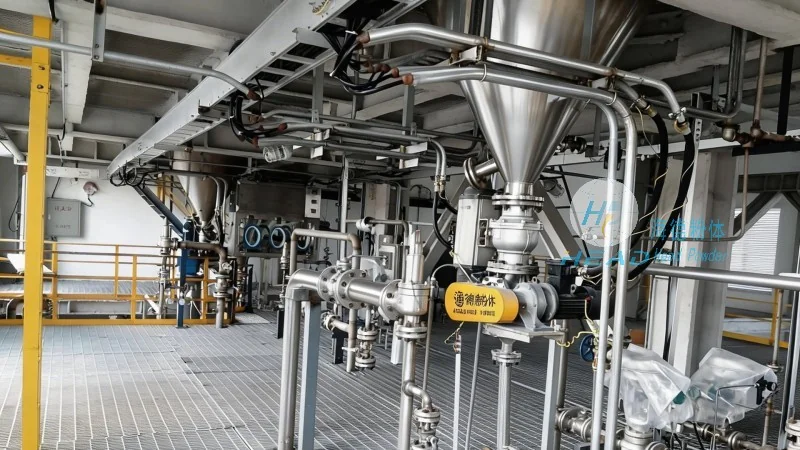
Automatic quantitative material feeding pneumatic conveying equipment is a sophisticated system that combines the functions of material feeding, quantitative control, and pneumatic transportation. It is engineered to handle a wide range of bulk materials, including powders, granules, and fine particles, with minimal human intervention. The system typically consists of several key components, including a feeder, a pneumatic conveyor, a control unit, and a discharge mechanism. Each component works in harmony to ensure that materials are conveyed accurately and at the desired rate, meeting the specific requirements of industrial processes.
Key Components and Their Functions
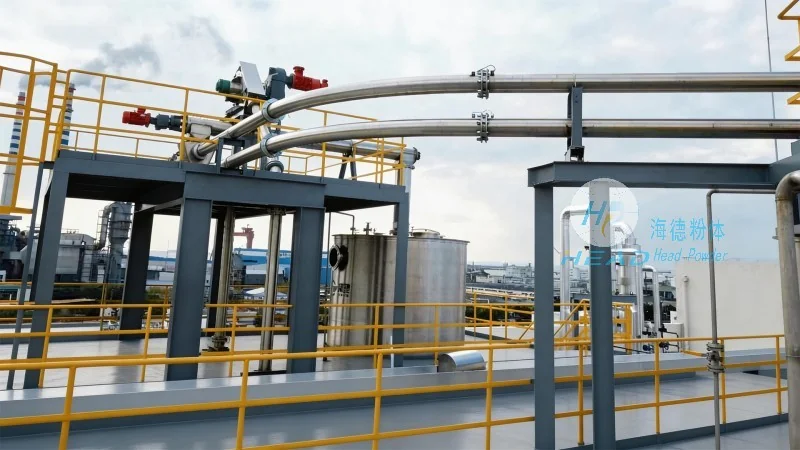
The effectiveness of the automatic quantitative material feeding pneumatic conveying equipment relies on the integration of its core components. The feeder is responsible for delivering the material to the system at a controlled rate, ensuring that the flow is consistent and measurable. This component often includes mechanisms like screw feeders or vibratory feeders, which can be adjusted to regulate the material throughput. The pneumatic conveyor, on the other hand, uses air pressure to transport the material from the feeder to the discharge point. This can be achieved through positive pressure systems, where air is blown into the conveying line, or negative pressure systems, where air is drawn out. The control unit plays a crucial role in monitoring and adjusting the system parameters, such as air pressure, material flow rate, and conveyor speed, to maintain optimal performance. Finally, the discharge mechanism ensures that the material is released at the correct location, completing the conveying process.
Design Principles for Precision and Efficiency
The design of the automatic quantitative material feeding pneumatic conveying equipment is centered on two primary principles: precision and efficiency. Precision is achieved through the integration of advanced control technologies and sensors that monitor the material flow in real-time. These systems can detect variations in material density, moisture content, or particle size and adjust the conveying parameters accordingly. This ensures that the material is delivered at the exact quantity required, minimizing waste and maximizing productivity. Efficiency is enhanced by optimizing the air flow and conveying path, reducing energy consumption and operational costs. The design also considers factors such as material compatibility, corrosion resistance, and ease of maintenance, ensuring that the equipment can operate reliably over long periods without frequent downtime.
Applications in Industrial Sectors
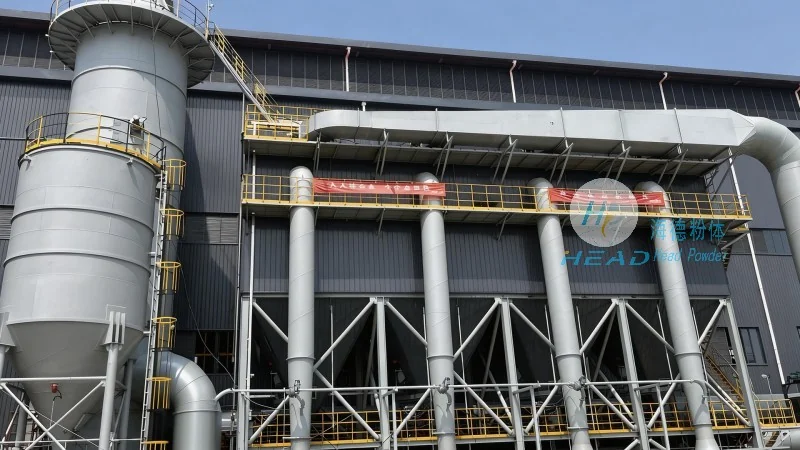
The automatic quantitative material feeding pneumatic conveying equipment finds extensive applications across various industrial sectors. In the pharmaceutical industry, it is used to transport active pharmaceutical ingredients (APIs) and excipients with high accuracy, ensuring that the final dosage forms meet stringent quality standards. The food processing industry benefits from this equipment in handling ingredients like flour, sugar, and spices, maintaining hygiene and preventing contamination. In the chemical manufacturing sector, it is employed to convey raw materials and intermediates, supporting the production of chemicals and polymers. The versatility of the equipment allows it to adapt to different material characteristics and process requirements, making it a valuable asset in modern industrial operations.
Advantages of Using This Equipment
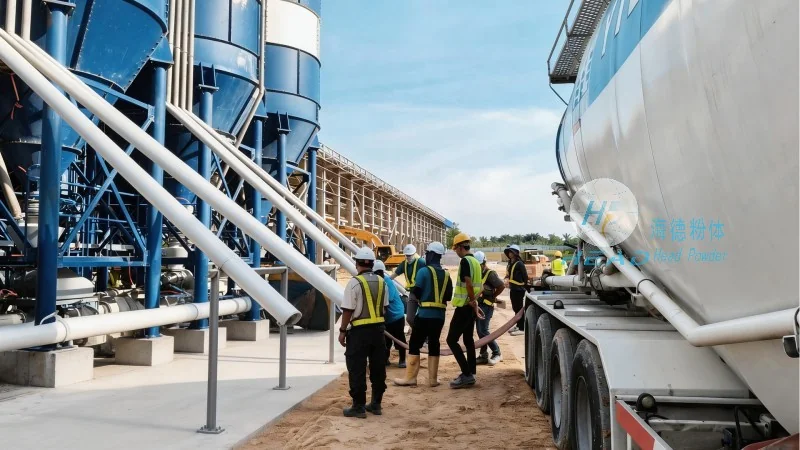
Implementing the automatic quantitative material feeding pneumatic conveying equipment offers several advantages over traditional material handling methods. Firstly, it provides high precision in material feeding, reducing errors and improving product consistency. This leads to better quality control and customer satisfaction. Secondly, the system enhances operational efficiency by automating the material handling process, reducing the need for manual labor and minimizing human error. This not only saves time but also lowers labor costs. Thirdly, the equipment offers flexibility in handling different materials and process conditions, allowing for easy adaptation to changing production needs. Additionally, the use of pneumatic conveying reduces the risk of material contamination and dust exposure, improving workplace safety and compliance with regulatory standards.
Conclusion
In conclusion, the automatic quantitative material feeding pneumatic conveying equipment is a sophisticated and essential tool in modern industrial operations. Its design principles focus on precision, efficiency, and reliability, making it suitable for a wide range of applications. By integrating advanced control technologies and optimized components, this equipment ensures accurate material handling while minimizing operational costs and risks. For industries seeking to enhance their production processes and maintain high product quality, investing in such equipment is a strategic decision that can yield significant long-term benefits. As a leading provider in this field, Shandong HeadPowder Engineering Co., Ltd. specializes in designing and manufacturing these systems to meet the diverse needs of industrial clients, ensuring optimal performance and reliability.