

What Are Fine Chemical Material Pneumatic Conveying Equipment? And What Are Their Design Principles?
For industries dealing with fine chemical materials, efficient and reliable material handling is crucial. Pneumatic conveying equipment has emerged as a key solution for transporting these delicate and often sensitive substances. This article explores the concept of fine chemical material pneumatic conveying equipment and delves into the underlying design principles that make such systems effective.
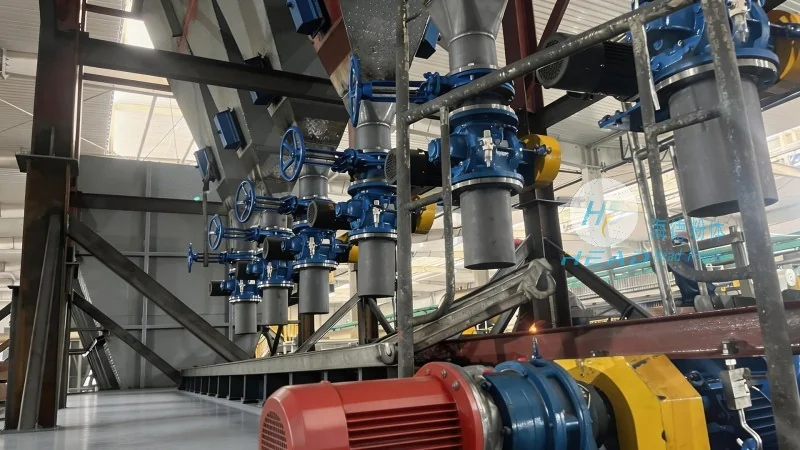
Understanding Fine Chemical Material Pneumatic Conveying Equipment
Fine chemical material pneumatic conveying equipment is a specialized system designed to transport powders, granules, and other fine particles in a controlled manner using air or other gases. Unlike traditional mechanical conveying methods, which may cause particle degradation or contamination, pneumatic systems offer a more gentle and hygienic approach. These systems are widely used in pharmaceuticals, food processing, and chemical manufacturing due to their ability to handle materials with high precision and minimal risk of cross-contamination. Shandong HeadPowder Engineering Co., Ltd., a leading manufacturer in this field, has developed advanced pneumatic conveying solutions tailored to the unique demands of fine chemical industries.
The Core Components of Pneumatic Conveying Systems
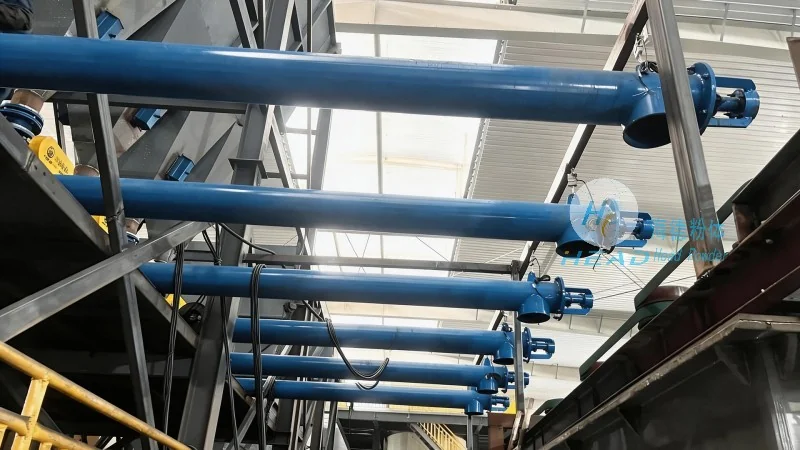
At the heart of any pneumatic conveying system are several key components that work in tandem to ensure smooth material transport. The primary components include a material feed hopper, a conveyor line (either positive or negative pressure), a separation or filtration system, and a discharge outlet. The feed hopper is responsible for storing and feeding the material into the system, while the conveyor line uses air pressure to move the material through the pipeline. The separation system is critical for removing excess air and separating the conveyed material from the carrier gas, ensuring that the final product is free from contamination and meets quality standards.
Design Principles for Optimal Performance
The design of fine chemical material pneumatic conveying equipment is guided by several fundamental principles aimed at maximizing efficiency, minimizing material degradation, and ensuring safety. One of the most critical principles is maintaining a consistent air-to-material ratio. This ratio determines the velocity of the material within the pipeline and is crucial for preventing clogging or excessive wear on system components. Engineers carefully calculate the appropriate air velocity based on the material's properties, such as particle size, density, and flowability, to achieve optimal transport conditions.
Another key design principle is the consideration of system pressure. Pneumatic conveying systems operate under either positive or negative pressure, and the choice depends on the application and material characteristics. Positive pressure systems, where air is forced through the pipeline, are suitable for long-distance transport and can handle abrasive materials. Negative pressure systems, which draw material into the system using a vacuum, are often used for short-distance transport and are gentler on the material. The design must also account for the potential for material segregation or agglomeration, which can occur during transport. To mitigate this, systems may include features like in-line mixers or vibration devices to keep the material in a uniform state.
Application-Specific Considerations
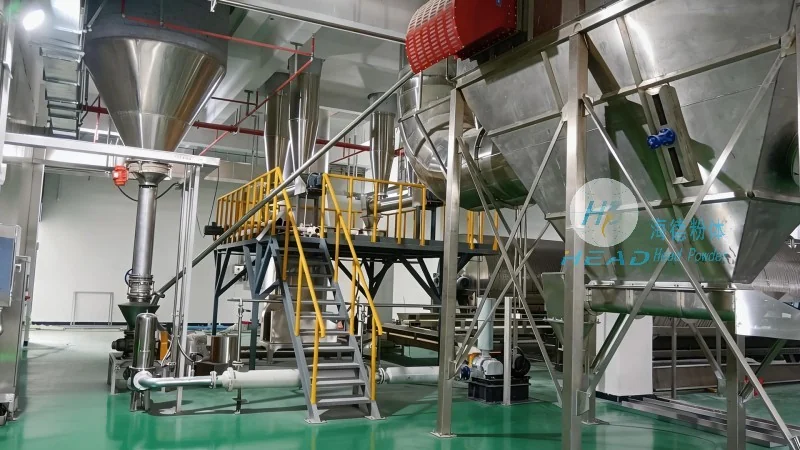
The design of pneumatic conveying equipment for fine chemicals must also take into account the specific requirements of the application. For example, in pharmaceutical manufacturing, the system must meet stringent regulatory standards for cleanliness and sterility. This may involve using stainless steel components, incorporating HEPA filters to remove particulate matter, and implementing closed-loop systems to prevent product exposure to the environment. In food processing, the equipment must be designed to handle hygienic materials and comply with food safety regulations, often requiring smooth, easy-to-clean surfaces and no dead zones where material can accumulate.
Advantages of Pneumatic Conveying for Fine Chemicals
Compared to traditional conveying methods, pneumatic systems offer several advantages that make them ideal for fine chemical applications. One of the most significant benefits is the ability to handle materials with high precision and minimal degradation. The gentle transport mechanism reduces the risk of particle breakage or agglomeration, which can affect product quality and performance. Additionally, pneumatic systems provide better control over material flow, allowing for precise dosing and batching. This is particularly important in industries where accurate material measurement is critical, such as in the production of pharmaceuticals or specialty chemicals.
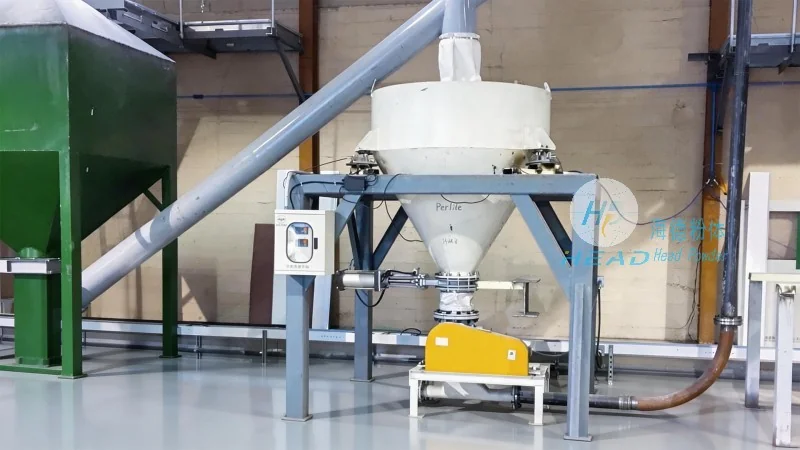
Another advantage is the versatility of pneumatic conveying systems. They can be adapted to handle a wide range of materials, from powders with very fine particle sizes to granules with larger diameters. The system design can be customized to accommodate different material properties, ensuring that the equipment is optimized for the specific application. Furthermore, pneumatic systems offer flexibility in terms of layout, as they can be installed in various configurations, including vertical, horizontal, or a combination of both, to fit the available space and production requirements.
Conclusion
Fine chemical material pneumatic conveying equipment represents a sophisticated solution for the efficient and safe handling of delicate materials. By understanding the core components and design principles, industries can select and implement systems that meet their specific needs while ensuring product quality and regulatory compliance. As technology advances, these systems continue to evolve, offering even greater efficiency and reliability for the transportation of fine chemicals.