

What is a Resin Sand Material Pneumatic Conveying System? What Are Its Design Principles?
Resin sand material pneumatic conveying systems represent a sophisticated approach to material handling, particularly in foundries and casting operations where resin-coated sand is a critical component. These systems utilize air or gas to transport resin sand from one location to another, offering advantages such as reduced dust, improved safety, and enhanced process efficiency. Understanding the core functionality and design principles of such systems is essential for optimizing production workflows and ensuring reliable operation in industrial settings. The system typically operates by drawing resin sand from a hopper and feeding it into a pipeline, where compressed air or a vacuum is used to move the material. The air velocity within the pipeline is carefully controlled to maintain a stable, continuous flow, preventing the sand particles from settling or clogging the system. This method of transport is particularly effective for handling fine, abrasive materials like resin sand, which can be difficult to move using traditional mechanical conveyors due to their tendency to stick or cause wear on equipment.
Understanding the Core Functionality of Resin Sand Pneumatic Conveying Systems
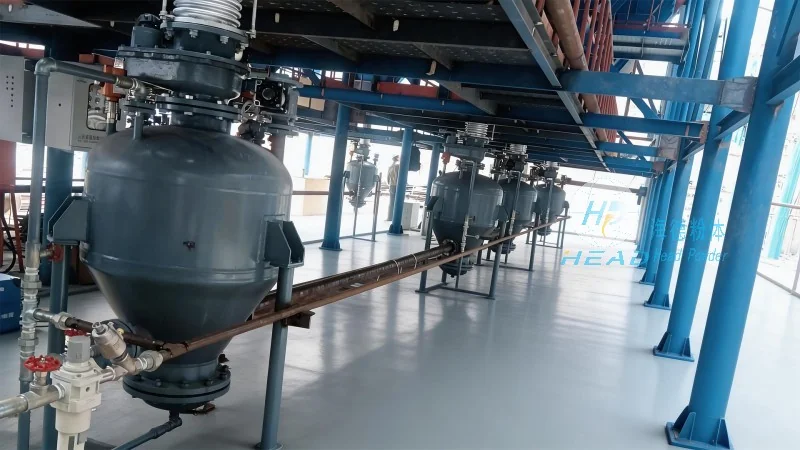
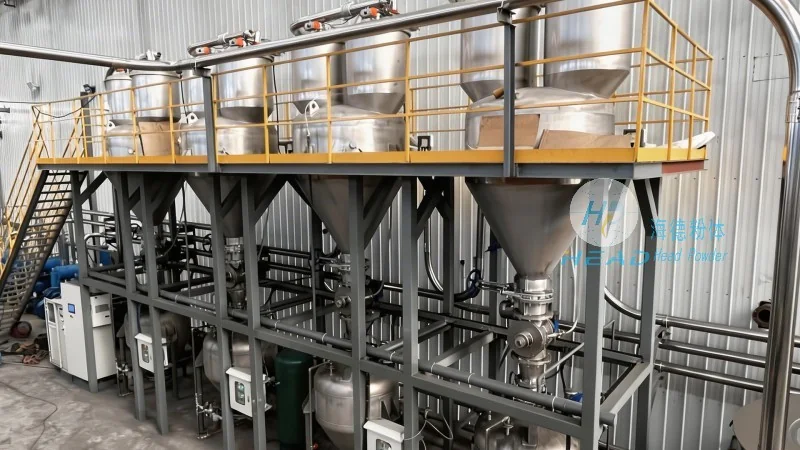
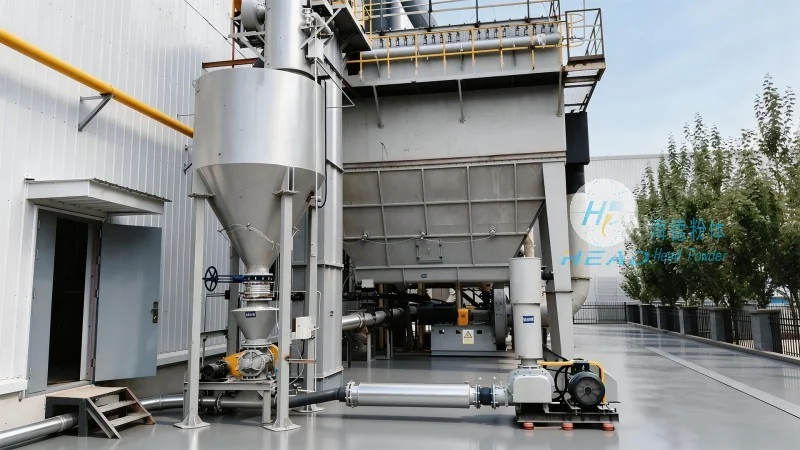
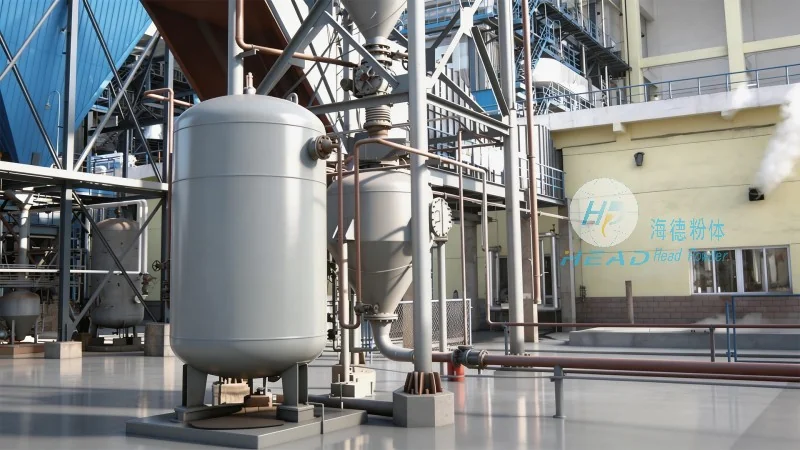
A resin sand material pneumatic conveying system operates by creating a flow of air or gas through a pipeline, which then carries the resin sand particles along. The system typically includes components like a hopper for material storage, a feeder to control the flow rate, a conveying line, and a receiver for the delivered material. The air velocity within the pipeline is crucial; it must be sufficient to overcome the resistance of the sand particles and maintain a stable, continuous flow. This method of transport is particularly effective for handling fine, abrasive materials like resin sand, which can be difficult to move using traditional mechanical conveyors. The hopper serves as the primary storage vessel, holding the resin sand until it is needed. The feeder, often a rotary or vibratory type, regulates the amount of sand released into the pipeline, ensuring a consistent flow rate. The conveying line, usually made of stainless steel or other corrosion-resistant materials, transports the sand to the receiver, which collects the material for further processing. The receiver may include a filter or separator to remove any excess air or fine particles, ensuring the delivered material is clean and free of contaminants.
Key Design Principles for Resin Sand Pneumatic Conveying Systems
The design of a resin sand pneumatic conveying system involves several critical principles to ensure optimal performance. First, the system must be engineered to handle the specific properties of resin sand, including its density (typically around 1.5 g/cm³), moisture content (usually low to prevent clumping), and abrasiveness (resin sand is known for its high wear resistance, which requires durable materials for the conveying components). The selection of materials for the hopper, feeder, and pipeline is therefore paramount; components are often made from stainless steel, high-grade alloys, or wear-resistant coatings to withstand the abrasive nature of the sand. Second, the air pressure and velocity must be precisely calculated based on the material's flow characteristics and the system's layout. For example, a positive pressure system uses compressed air to push the sand, while a negative pressure (vacuum) system pulls the material. The pressure levels are typically determined through computational fluid dynamics (CFD) simulations to ensure efficient transport without excessive energy consumption. Third, the system should incorporate features like pulse jets or rotary airlocks to control the flow and prevent clogging. Pulse jets inject bursts of high-pressure air to break up any agglomerates or blockages, while rotary airlocks regulate the flow rate and prevent backflow. Additionally, the design must consider the overall layout of the facility, ensuring that the conveying line is positioned to minimize the length of the pipeline and reduce energy costs. This often involves strategic placement of the hopper, feeder, and receiver to create a straight, unobstructed path for the material flow.