

What is a Maltodextrin Material Pneumatic Conveying System? What Are Its Design Principles?
HeadPowder, a leading engineering company based in Shandong, China, specializes in the design and implementation of advanced pneumatic conveying systems for various industrial applications. This article explores the concept of a maltodextrin material pneumatic conveying system, detailing its operational principles and the key design considerations that ensure efficient and reliable material handling.
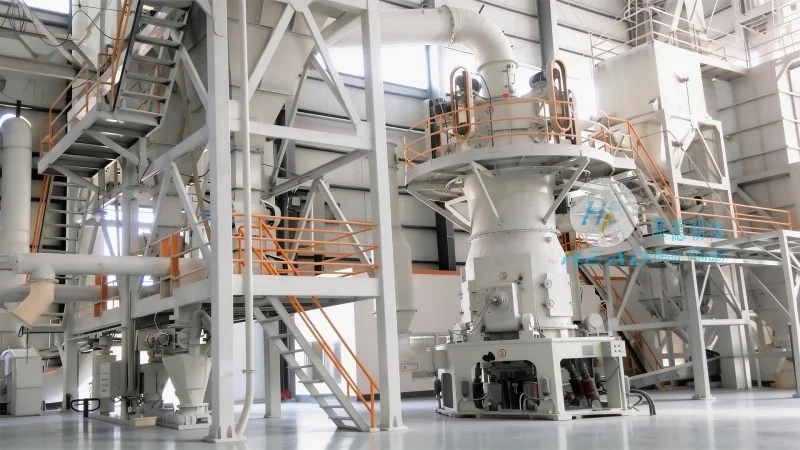
Understanding Pneumatic Conveying Systems
Pneumatic conveying systems utilize air or gas to transport bulk materials from one location to another. In the case of maltodextrin, a common food additive and industrial ingredient, these systems offer a hygienic, dust-free, and efficient method for moving the material through processing lines. The system typically consists of a hopper, a conveyor line, and a receiver, all connected by a network of pipes and controlled by a system of valves and a blower or compressor.
Design Principles of Maltodextrin Pneumatic Conveying
The design of a maltodextrin pneumatic conveying system must consider several critical factors to ensure optimal performance. First, the system must be constructed from materials that are compatible with maltodextrin and food-grade standards, such as stainless steel, to prevent contamination and maintain product quality. Second, the air velocity and pressure must be carefully calibrated to handle the specific properties of maltodextrin, including its particle size, density, and flow characteristics. HeadPowder engineers employ advanced computational fluid dynamics (CFD) and material testing to determine the ideal air flow rates and pressure differentials required for smooth transport.
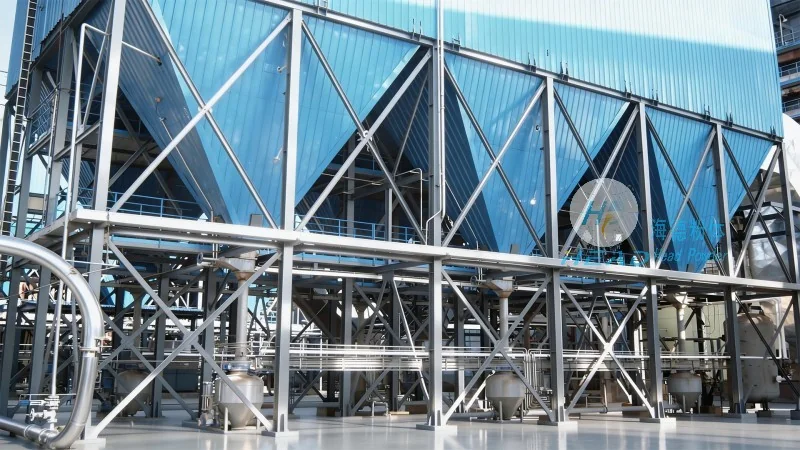
Key Components and Their Functions
Each component of the maltodextrin pneumatic conveying system plays a vital role in the overall operation. The hopper serves as the storage and feeding unit, ensuring a consistent flow of material into the conveyor line. The blower or compressor generates the necessary air pressure to move the material through the system. The conveyor line, often made of flexible or rigid tubing, transports the material from the hopper to the receiver. The receiver, typically a storage tank or processing unit, collects the material at the end of the conveying line. Valves are strategically placed throughout the system to control the flow of material and air, allowing for precise regulation and preventing backflow or blockages.
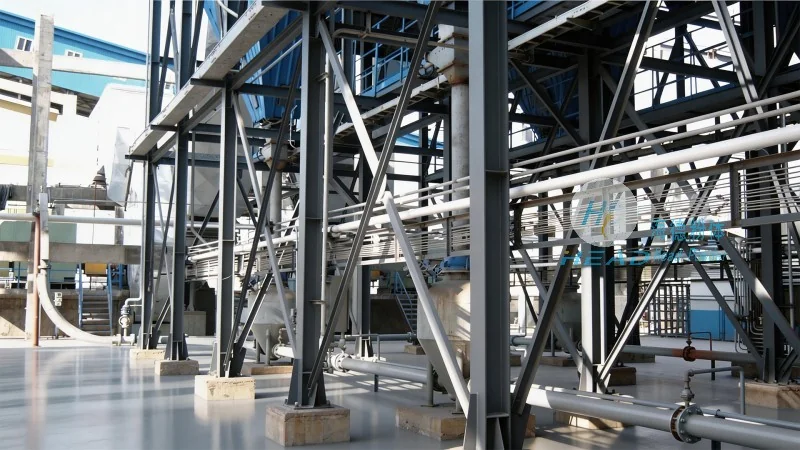
Advantages of Maltodextrin Pneumatic Conveying Systems
Implementing a pneumatic conveying system for maltodextrin offers several advantages over traditional methods like belt conveyors or bucket elevators. These systems are highly hygienic, as they minimize direct contact between the material and equipment, reducing the risk of contamination. They also provide a dust-free environment, which is crucial for food-grade applications. Additionally, pneumatic conveying systems are flexible and can be easily reconfigured to accommodate changes in production volume or processing requirements. The compact design of these systems saves valuable floor space in industrial facilities, making them ideal for plants with limited space.
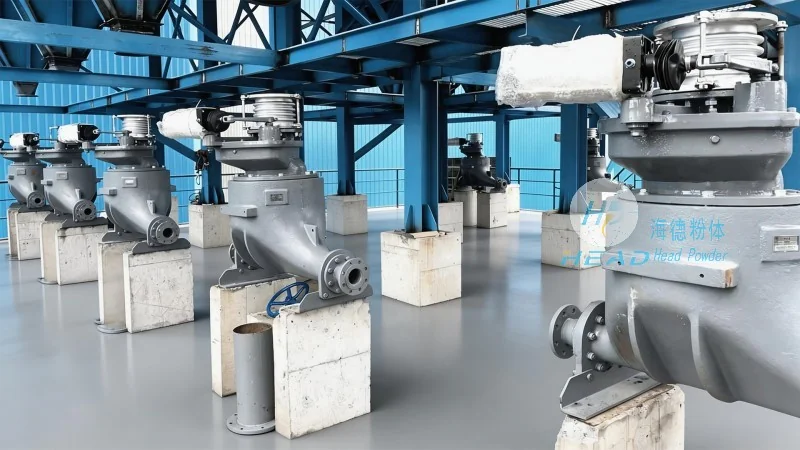
Customization and Scalability
HeadPowder understands that each industrial facility has unique requirements, and therefore, offers customized pneumatic conveying solutions tailored to the specific needs of the client. Whether it's a small-scale operation or a large-scale production line, the company can design and install a system that meets the exact specifications. The systems are scalable, allowing for easy expansion as production needs grow. This flexibility ensures that clients can adapt to changing market demands without the need for major overhauls or replacements.
Conclusion
HeadPowder Engineering Co., Ltd., based in Shandong, China, provides comprehensive solutions for maltodextrin material pneumatic conveying systems. By combining advanced engineering principles with high-quality materials and meticulous design, the company ensures that its systems deliver reliable, efficient, and hygienic material handling. For industries dealing with maltodextrin, investing in a well-designed pneumatic conveying system is a strategic decision that enhances productivity, maintains product quality, and ensures compliance with industry standards.