

What is a Coking Coal Particle Pneumatic Conveying System? And What Are Its Design Principles?
HeadPowder, a leading engineering firm based in Shandong, China, specializes in the design and implementation of advanced material handling systems. One of their core offerings is the coking coal particle pneumatic conveying system, a technology that efficiently transports bulk materials like coking coal through a pressurized air stream. This article explores the fundamental concepts of such systems and the key design principles that ensure their optimal performance.
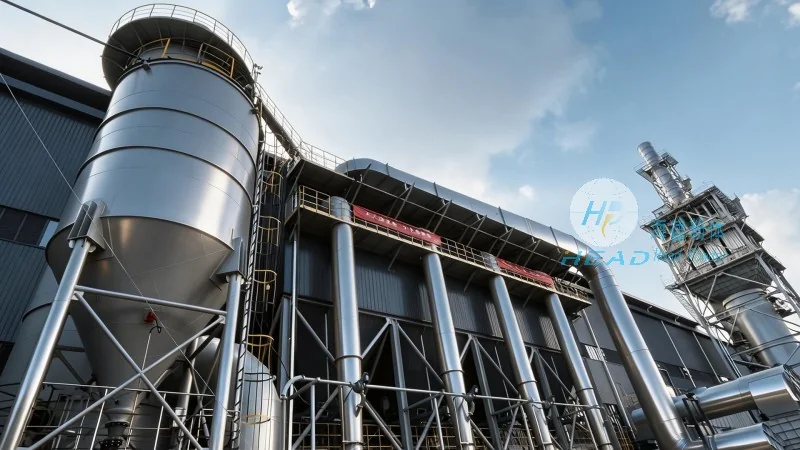
Understanding Coking Coal Particle Pneumatic Conveying Systems
A coking coal particle pneumatic conveying system is a method of transporting solid particles, specifically coking coal, using a pressurized air or gas stream. Unlike traditional mechanical conveyors, which rely on physical components like belts or buckets, pneumatic systems use the force of air to move materials through a pipeline. This approach is particularly advantageous for handling fine or abrasive materials like coking coal, which can cause wear and tear on mechanical components over time. The system typically consists of a hopper to store the material, a feeder to control the flow rate, a conveying line, and a receiver to deposit the material at its destination. The entire process is driven by a blower or compressor that generates the necessary pressure to move the particles through the system.

Key Design Principles for Pneumatic Conveying Systems
The effectiveness of a coking coal particle pneumatic conveying system hinges on several critical design principles. First, the system must be designed to handle the specific properties of coking coal, such as its particle size distribution, density, and moisture content. These characteristics influence the air velocity required to keep the particles suspended and prevent blockages. Engineers must calculate the appropriate air velocity and pressure to ensure that the material flows smoothly without excessive pressure drops or particle degradation. Second, the system's layout, including the length and diameter of the conveying line, is crucial. Longer or more complex systems may require multiple stages or booster units to maintain sufficient pressure and prevent material settling. The design also considers the system's capacity, ensuring it can meet the required throughput while minimizing energy consumption. Third, material selection for components like hoppers, feeders, and pipelines is vital. Coking coal is abrasive and can cause wear, so materials such as stainless steel or specialized alloys are often used to extend the system's lifespan and maintain efficiency. Additionally, the system must incorporate safety features, such as pressure relief valves and dust collection systems, to protect both personnel and the environment.
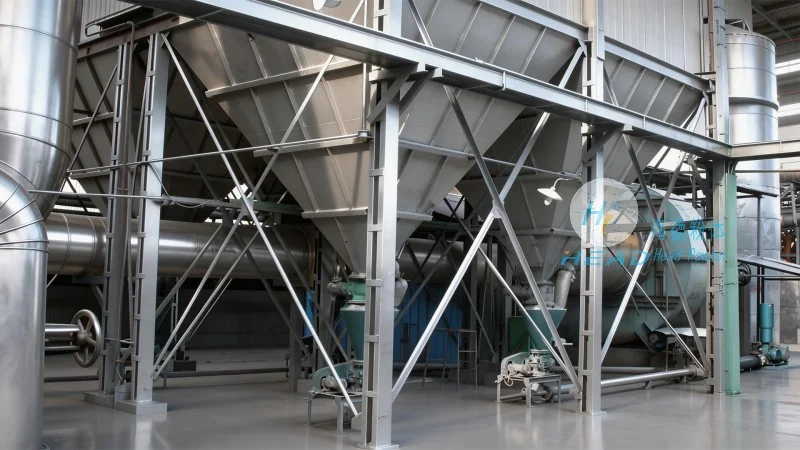
Components and Their Functions in a Pneumatic Conveying System
Each component of a coking coal particle pneumatic conveying system plays a specific role in the overall operation. The hopper serves as the storage vessel, holding the coking coal until it is needed. It is typically designed with a conical bottom to facilitate material flow and prevent bridging or caking. The feeder, often a rotary valve or a screw feeder, controls the rate at which material is introduced into the conveying line. This control is essential to maintain a consistent flow and prevent surges or blockages. The conveying line itself is a sealed pipeline that transports the material and air mixture. The diameter and material of the line are chosen based on the system's capacity and the properties of the coking coal. The blower or compressor generates the necessary pressure to move the material through the line. This unit must be capable of delivering the required air volume and pressure while being energy-efficient. The receiver is the final component, where the coking coal is deposited. It is usually a hopper or a storage bin, designed to handle the material's weight and prevent spillage. The system may also include additional components like filters to remove dust from the air stream, ensuring compliance with environmental regulations and protecting equipment from contamination.
Advantages and Applications of Pneumatic Conveying Systems
Implementing a coking coal particle pneumatic conveying system offers several advantages over traditional mechanical methods. One of the primary benefits is the ability to transport materials over long distances without the need for intermediate transfer points. This reduces the risk of material loss and contamination, as the system is fully enclosed. Additionally, pneumatic systems are more flexible in terms of layout, allowing for vertical or horizontal transport as needed. They are also suitable for handling materials in hazardous environments, as the system is sealed and can be equipped with explosion-proof components. The applications of such systems are widespread in the coking industry, where efficient and reliable transport of coking coal is critical. These systems are used in coal preparation plants, coke ovens, and storage facilities to move raw coal from storage to processing areas. They are also employed in industrial settings where bulk materials need to be transported between different processing stages. The ability to handle abrasive and fine materials like coking coal makes pneumatic conveying an ideal solution for industries seeking to improve their material handling processes.
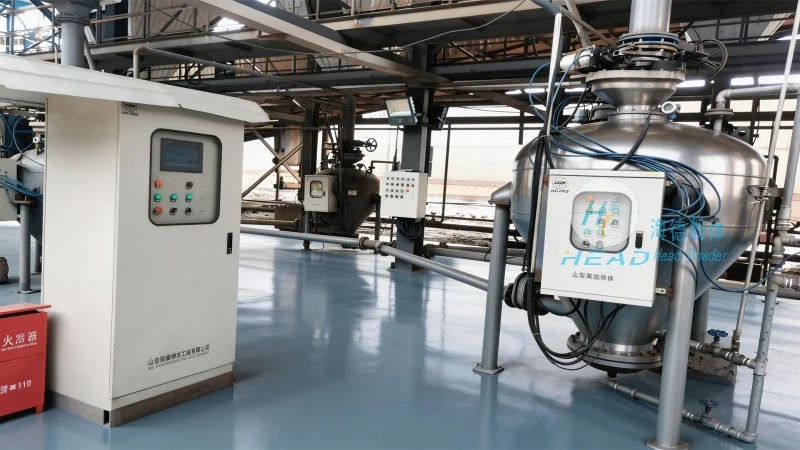
Conclusion
In conclusion, a coking coal particle pneumatic conveying system is a sophisticated engineering solution that efficiently transports bulk materials using a pressurized air stream. The design of such a system is based on several key principles, including the material's properties, system layout, and component selection. By adhering to these principles, engineers can create a system that is reliable, energy-efficient, and capable of handling the demands of the coking industry. HeadPowder, with its expertise in material handling systems, provides comprehensive solutions for coking coal transportation, ensuring that clients achieve optimal performance and longevity from their pneumatic conveying systems. The integration of advanced design principles and high-quality components makes these systems a preferred choice for industries seeking to improve their material handling processes.