

What is a Copper Concentrate Powder Pneumatic Conveying System? And What Are Its Design Principles?
Copper concentrate powder pneumatic conveying systems are essential in the mining and processing industries for efficiently transporting fine copper ore powders from one location to another. These systems utilize air as the conveying medium to move the material, offering advantages such as reduced equipment wear, improved safety, and the ability to handle materials in enclosed environments. Understanding the design principles behind these systems is crucial for optimizing performance and ensuring reliable operation in copper processing facilities.
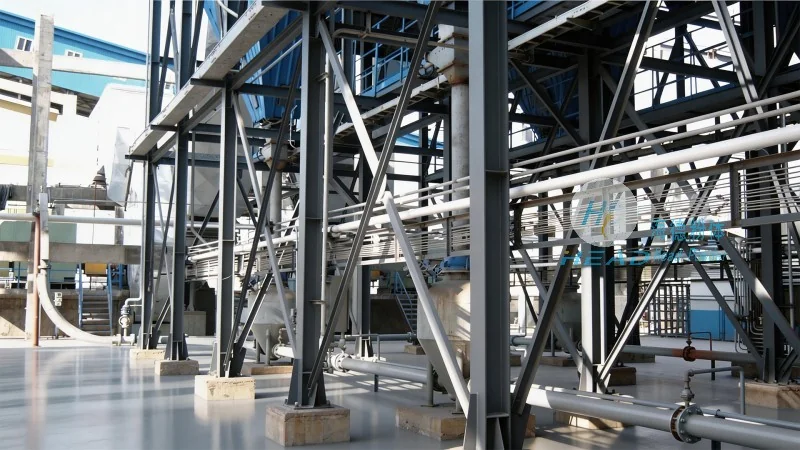
Introduction to Copper Concentrate Powder Pneumatic Conveying Systems
A copper concentrate powder pneumatic conveying system is a specialized equipment setup designed to transport copper ore powders through a pipeline using compressed air. This method is widely adopted in the mining sector due to its ability to handle fine, abrasive materials like copper concentrate without the need for mechanical components that might experience excessive wear. The system typically consists of a material feed hopper, a compressor to generate the conveying air, a pipeline network, and a discharge point where the material is deposited. The entire process is controlled to maintain consistent material flow and pressure, ensuring efficient and safe material transport.
About HeadPowder: A Leading Provider of Pneumatic Conveying Solutions
HeadPowder, formally known as Shandong HeadPowder Engineering Co., Ltd., is a reputable company based in China, specializing in the design, manufacturing, and installation of pneumatic conveying systems for various industrial applications. With a strong focus on copper processing and other mineral handling needs, HeadPowder has built a solid reputation for delivering high-quality, reliable systems that meet the specific requirements of mining and processing operations. The company's expertise lies in understanding the unique challenges of handling copper concentrate powders, such as their fine particle size, abrasive nature, and the need for efficient, low-maintenance transport solutions.
Design Principles of Copper Concentrate Powder Pneumatic Conveying Systems
The design of a copper concentrate powder pneumatic conveying system involves several key principles to ensure optimal performance and durability. The first principle is the selection of the appropriate conveying air velocity, which must be high enough to keep the material suspended in the air stream but not so high as to cause excessive pressure drops or equipment wear. For copper concentrate powders, typical conveying velocities range from 20 to 30 meters per second, depending on the particle size and density. Another critical design consideration is the system's pressure drop, which is influenced by the pipeline length, diameter, and the number of bends or fittings. Engineers must calculate the pressure drop accurately to determine the required compressor capacity and ensure sufficient air pressure to maintain material flow.
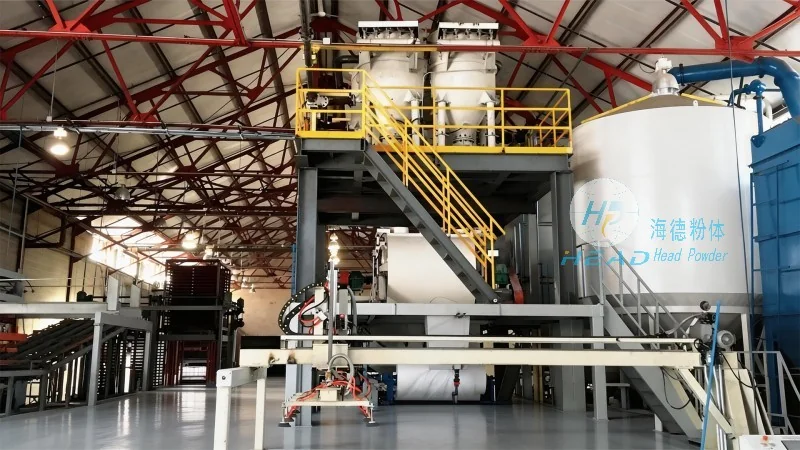
Material feed mechanisms are also a key part of the design, as they need to handle the copper concentrate powder without causing blockages or uneven flow. The feed hopper is often equipped with a rotary valve or a pressure feeder to control the material discharge rate, ensuring a steady supply to the conveying pipeline. The discharge point is designed to minimize material loss and prevent dust emissions, often incorporating filters or cyclones to capture any airborne particles. Additionally, the system may include a dust collection system to comply with environmental regulations and maintain a clean working environment.
Components and Their Functions in a Copper Concentrate Powder Pneumatic Conveying System
A typical copper concentrate powder pneumatic conveying system comprises several components, each playing a vital role in the overall operation. The compressor is the heart of the system, responsible for generating the high-pressure air needed to move the material. It can be a positive displacement type or a centrifugal type, depending on the system's capacity and pressure requirements. The pipeline network connects the feed hopper to the discharge point and may include branches for multiple discharge locations. The pipeline is usually made of stainless steel or other corrosion-resistant materials to withstand the abrasive nature of copper concentrate powders.
The material feed hopper is designed to store the copper concentrate powder and provide a controlled feed to the system. It may include a level indicator to monitor the material inventory and a discharge valve to regulate the flow rate. The discharge point, or receiver, is where the material is deposited, and it is often equipped with a dust filter or a cyclone to separate any airborne particles. In some systems, a vacuum or pressure relief valve is installed to prevent over-pressurization or vacuum conditions that could damage the equipment. The control system, which may include sensors and a programmable logic controller (PLC), monitors the system's performance and adjusts parameters such as air pressure and feed rate to maintain optimal operation.
Advantages of Using Copper Concentrate Powder Pneumatic Conveying Systems
Implementing a copper concentrate powder pneumatic conveying system offers several advantages over traditional mechanical conveying methods. One of the primary benefits is the reduction in equipment wear, as there are no moving parts in direct contact with the material. This leads to lower maintenance costs and longer equipment life. Additionally, the enclosed pipeline system minimizes dust emissions, improving workplace safety and compliance with environmental regulations. The system also allows for flexible layout designs, as the pipeline can be routed around obstacles or through different areas of the facility without the need for additional support structures. Furthermore, pneumatic conveying systems can handle materials with varying particle sizes and moisture content, making them suitable for a wide range of copper processing applications.
Applications in Copper Processing Facilities
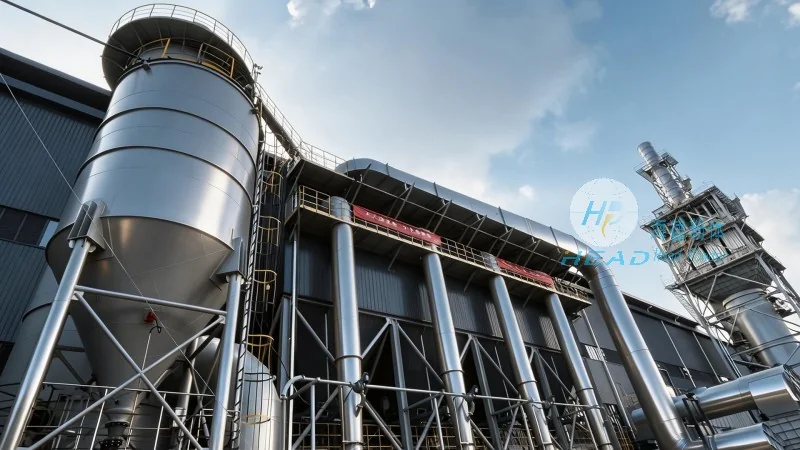
Copper concentrate powder pneumatic conveying systems are widely used in various stages of copper processing, from ore crushing and grinding to concentrate handling and transportation. In the crushing and grinding stage, the system can transport the fine copper ore powders from the mill to the flotation plant for further processing. In the flotation stage, the system may be used to convey the copper concentrate from the flotation cells to the thickening and filtration units. The system is also employed in the storage and handling of copper concentrate, ensuring that the material is moved safely and efficiently from the processing plant to the storage silos or shipping facilities.
Design Considerations for Optimal Performance
When designing a copper concentrate powder pneumatic conveying system, several factors must be considered to ensure optimal performance and reliability. The first consideration is the material properties, including particle size distribution, density, and moisture content. These factors affect the conveying velocity, pressure drop, and equipment selection. The second consideration is the system's capacity, which is determined by the required material flow rate and the distance to be covered. Engineers must calculate the required air volume and pressure to meet the capacity requirements. The third consideration is the system's layout, which should be designed to minimize the number of bends and fittings to reduce pressure losses. Additionally, the system should be equipped with proper safety features, such as pressure relief valves and dust collection systems, to prevent accidents and ensure compliance with safety standards.
Conclusion
Copper concentrate powder pneumatic conveying systems are critical components in modern copper processing facilities, providing efficient and reliable transport of fine copper ore powders. The design principles behind these systems, including appropriate air velocity, pressure drop management, and material feed control, are essential for optimizing performance and ensuring long-term operation. Companies like HeadPowder, with their expertise in pneumatic conveying solutions, play a vital role in delivering high-quality systems that meet the specific needs of the mining and processing industry. By understanding and applying these design principles, copper processing facilities can improve their operational efficiency, reduce costs, and enhance workplace safety.