

What is an Acrylic Rubber Material Pneumatic Conveying System? What are the Design Principles?
For industries dealing with acrylic rubber materials, efficient material handling is crucial. A pneumatic conveying system offers a reliable solution for transporting these materials from one location to another. This article explores what such a system entails and the key design principles that ensure its optimal performance.
Introduction to Pneumatic Conveying Systems
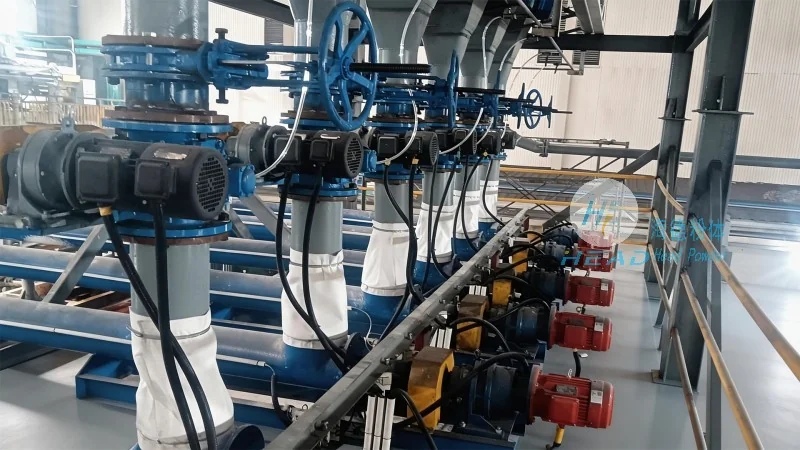
HeadPowder, a leading provider of engineering solutions, specializes in the design and implementation of pneumatic conveying systems tailored for various industrial applications. The company, based in Shandong, China, leverages years of expertise to deliver systems that meet the specific needs of clients handling acrylic rubber materials. These systems are particularly valuable in environments where traditional mechanical conveying methods may pose challenges due to the material's properties, such as its flexibility, elasticity, or potential for dust generation.
Components of an Acrylic Rubber Material Pneumatic Conveying System
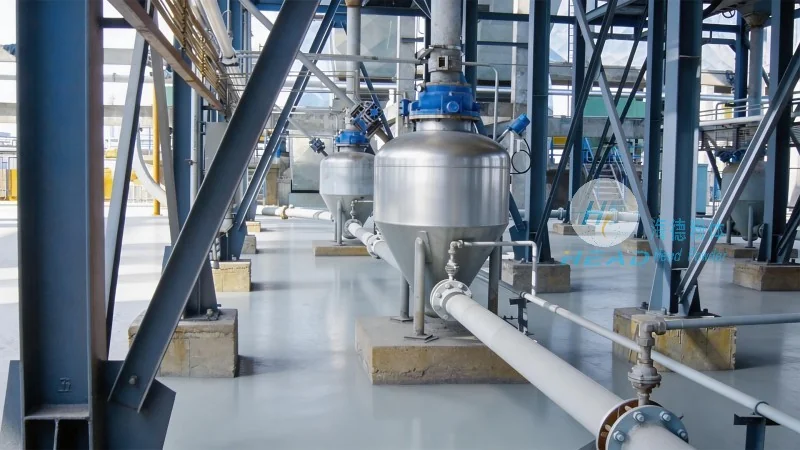
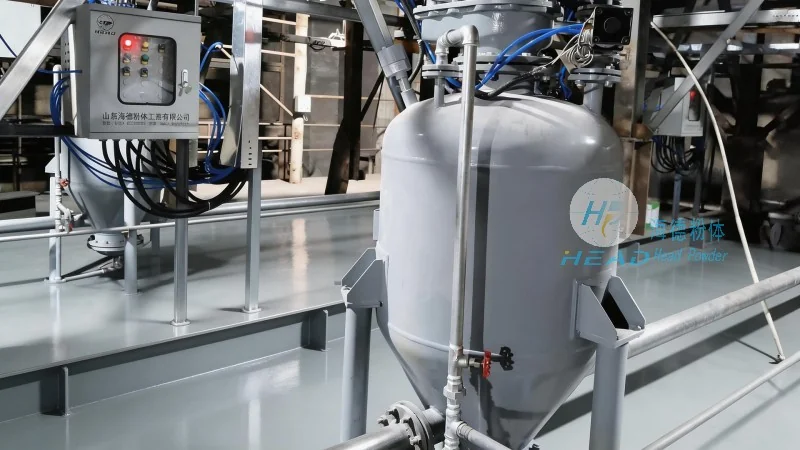
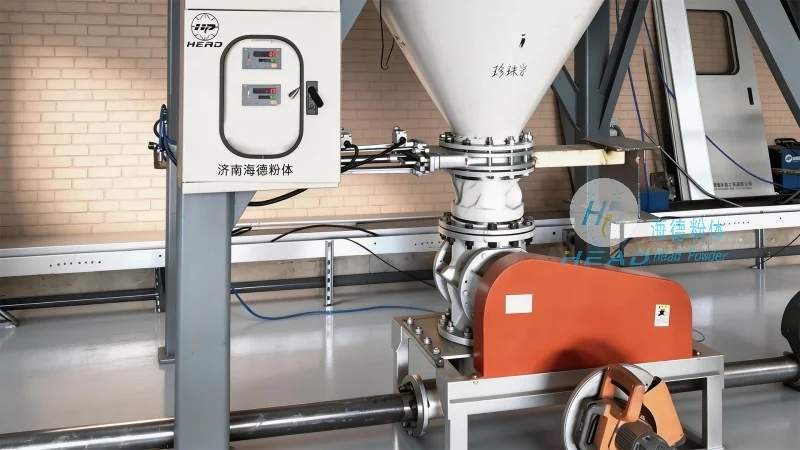
An acrylic rubber material pneumatic conveying system typically consists of several core components that work in tandem to facilitate material transport. The primary components include a material feed hopper, a conveyor line (either positive or negative pressure), a separation or filtration system, and a discharge outlet. The feed hopper is designed to store and meter the acrylic rubber material, ensuring a consistent flow into the system. The conveyor line, which can operate under positive pressure (where air pushes the material) or negative pressure (where air is drawn through the material), is the heart of the system, responsible for moving the material through the pipeline. The separation or filtration system is critical for maintaining material quality and preventing system blockages, especially with materials like acrylic rubber that may have fine particles or be prone to agglomeration. Finally, the discharge outlet allows the material to be deposited at the desired location, completing the transport process.
Design Principles for Optimal Performance
The design of an acrylic rubber material pneumatic conveying system must adhere to several key principles to ensure efficiency, reliability, and safety. First, the system must be tailored to the specific characteristics of acrylic rubber. This includes considering the material's density, flowability, and potential for dust or static electricity. For example, acrylic rubber may have a lower bulk density compared to other materials, which affects the air velocity required for effective transport. The design must also account for the material's elasticity and how it might deform or stick to the system components, requiring special materials or coatings for the hopper and pipeline to prevent buildup and ensure smooth flow.
Second, the system's pressure and velocity parameters are critical design considerations. The air velocity must be high enough to prevent material settling in the pipeline but low enough to avoid excessive wear on the system components and to minimize energy consumption. HeadPowder engineers carefully calculate the required air velocity based on the material's properties and the system's layout. This involves considering the pipeline diameter, length, and any bends or fittings that may affect the flow. Additionally, the system's pressure must be sufficient to overcome the resistance from the pipeline and any obstacles, while maintaining a safe operating range to prevent system failures or material degradation.
Material Handling Challenges and Solutions
Handling acrylic rubber materials presents unique challenges that must be addressed in the system design. One common challenge is the material's tendency to stick to surfaces, which can lead to blockages or reduced system efficiency. To mitigate this, the system may incorporate features such as vibration or agitation in the feed hopper to break up agglomerates and ensure a consistent material flow. Another challenge is the potential for dust generation, which can affect the system's performance and pose health and safety risks. The separation or filtration system, as mentioned earlier, plays a vital role here by capturing fine particles and preventing them from entering the discharge outlet or the environment. HeadPowder's design approach includes incorporating high-efficiency filters and dust collection systems to maintain air quality and comply with environmental regulations.
Benefits of Using a Pneumatic Conveying System for Acrylic Rubber
Implementing a pneumatic conveying system for acrylic rubber materials offers several advantages over traditional methods. First, it provides a closed system, which helps maintain material integrity and prevents contamination from external sources. This is particularly important for acrylic rubber, which may be sensitive to moisture or other environmental factors. Second, the system offers a flexible and scalable solution, allowing for easy integration with existing production lines or expansion as the business grows. Third, it reduces labor costs by automating the material handling process, minimizing the need for manual handling and associated risks. Finally, the system enhances safety by eliminating the need for manual loading and unloading of materials, reducing the risk of accidents and exposure to dust or other hazards.
Conclusion
Acrylic rubber material pneumatic conveying systems are a sophisticated solution for efficient material handling in industrial applications. The design principles, as outlined by experts like those at HeadPowder, focus on tailoring the system to the material's unique properties, ensuring optimal performance, and addressing potential challenges. By leveraging the expertise of companies like Shandong HeadPowder Engineering Co., Ltd., industries can implement reliable and efficient systems that enhance productivity, safety, and overall operational efficiency. Whether for small-scale or large-scale operations, a well-designed pneumatic conveying system is a valuable investment for any business handling acrylic rubber materials.