

What is a Positive Pressure Pneumatic Conveying System for Bulk Materials? And What Are Its Design P
When it comes to efficient material handling in industrial settings, the positive pressure pneumatic conveying system stands out as a reliable and versatile solution. This technology is widely used for transporting bulk materials over short to medium distances, offering advantages such as reduced contamination, minimal product degradation, and the ability to handle a wide range of materials. Understanding the core components and design principles of this system is crucial for optimizing its performance and ensuring seamless operation in various industrial applications.
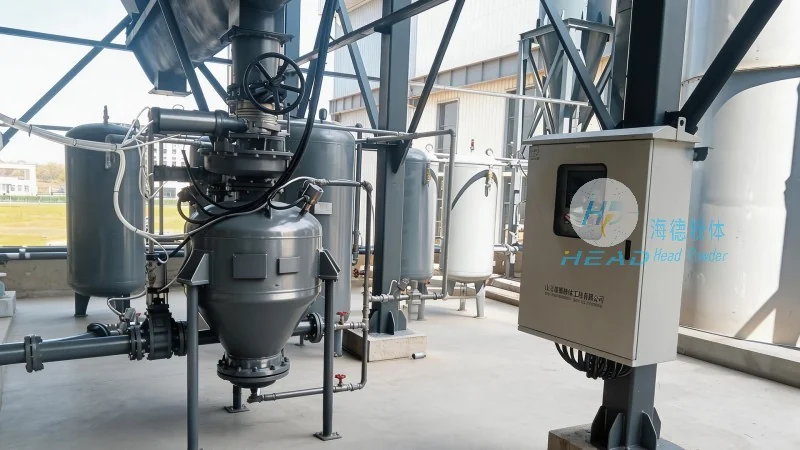
HeadPowder: Your Trusted Partner in Pneumatic Conveying Solutions
At Shandong HeadPowder Engineering Co., Ltd., we specialize in designing and manufacturing high-quality positive pressure pneumatic conveying systems tailored to meet the unique needs of our clients. With years of experience in the industry, our team of experts is dedicated to delivering innovative solutions that enhance productivity and safety in material handling processes. Our commitment to quality and customer satisfaction has made us a leading name in the field of pneumatic conveying technology.
Understanding the Positive Pressure Pneumatic Conveying System
A positive pressure pneumatic conveying system is a type of air-based material transport system that uses compressed air to move bulk materials from one location to another. Unlike negative pressure systems, which rely on suction to draw materials, positive pressure systems operate by blowing air and material through a sealed pipeline. This approach ensures that the material is continuously pushed forward, preventing backflow and maintaining consistent flow rates. The system typically consists of several key components, including a material feeder, a compressor, a conveying line, and a discharge unit.
Key Design Principles of the System
The design of a positive pressure pneumatic conveying system involves careful consideration of several critical factors to ensure optimal performance and efficiency. One of the primary design principles is the selection of appropriate air pressure and flow rates. The air pressure must be sufficient to overcome the resistance of the conveying line and the material's density, while maintaining a stable flow. The flow rate is determined by the material's characteristics, such as particle size, density, and moisture content, as well as the system's capacity requirements.

Another crucial design principle is the selection of the right type of material feeder. The feeder is responsible for introducing the bulk material into the conveying line at a controlled rate. Different types of feeders, such as rotary valves, screw feeders, or star feeders, are used depending on the material's properties and the system's requirements. The feeder must be designed to handle the material without causing blockages or degradation, ensuring a smooth and consistent flow.
Compressor and Air System Design
The compressor is a vital component of the positive pressure system, as it provides the necessary compressed air to drive the material through the conveying line. The choice of compressor depends on the system's capacity, the material's characteristics, and the required pressure. High-pressure compressors are often used for longer conveying distances or for materials with higher resistance to flow. The air system also includes filters and regulators to ensure clean and consistent air quality, preventing contamination of the material and extending the system's lifespan.
Conveying Line and Discharge Unit
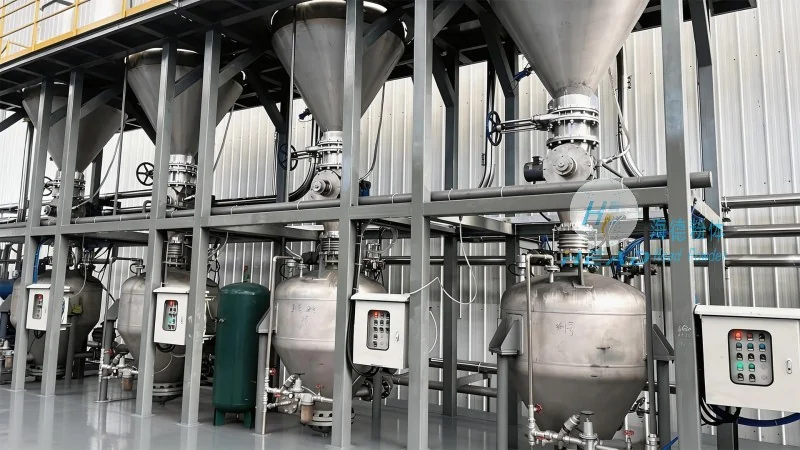
The conveying line is typically made of stainless steel or other corrosion-resistant materials to handle various materials and maintain hygiene standards. The line's diameter and length are carefully designed to minimize pressure drop and ensure efficient material transport. The discharge unit, located at the end of the line, is responsible for releasing the material into the receiving container. It may include a rotary valve or a gate valve to control the discharge rate and prevent backflow. Proper design of the discharge unit is essential to avoid material buildup and ensure smooth material release.
Advantages and Applications
Positive pressure pneumatic conveying systems offer several advantages over other material handling methods. They are ideal for transporting materials that are sensitive to moisture or air exposure, as the sealed pipeline prevents contamination. The system is also suitable for handling materials with varying particle sizes and densities, as the air pressure can be adjusted to accommodate different material characteristics. Additionally, the system is compact and can be installed in tight spaces, making it suitable for various industrial settings, including food processing, pharmaceuticals, and chemical manufacturing.
Conclusion
In conclusion, the positive pressure pneumatic conveying system is a highly effective solution for bulk material handling, offering reliable performance and flexibility. The design principles, including proper air pressure control, material feeder selection, and system component integration, are essential for achieving optimal results. With the expertise of companies like Shandong HeadPowder Engineering Co., Ltd., industries can benefit from advanced pneumatic conveying systems that enhance efficiency, safety, and product quality. By understanding and implementing these design principles, businesses can streamline their material handling processes and improve overall operational performance.