

What is a Refractory Powder Pneumatic Conveying System? What Are Its Design Principles?
Refractory powder pneumatic conveying systems are specialized industrial equipment designed to transport refractory materials in powder form through a pressurized or vacuumed air stream. These systems are crucial in various industrial applications, particularly in the manufacturing of refractory products, where efficient and reliable material handling is essential. The primary goal of such systems is to move refractory powders from storage or processing units to the next stage of production without compromising material quality or causing operational inefficiencies.
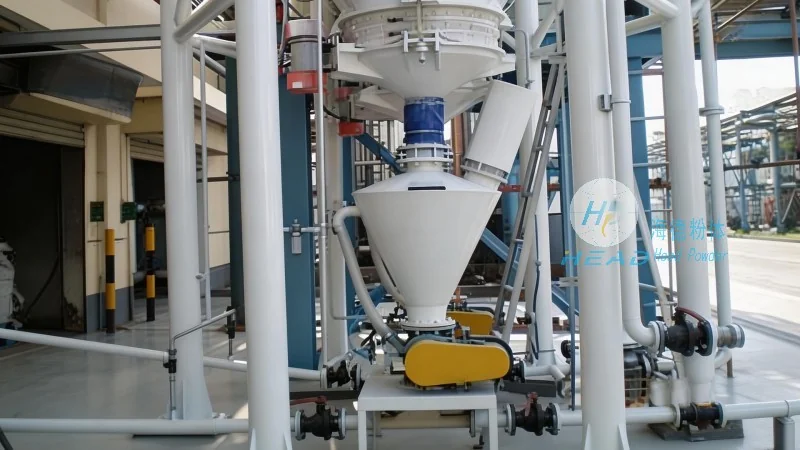
About HeadPowder
HeadPowder, formally known as Shandong HeadPowder Engineering Co., Ltd., is a leading provider of advanced material handling solutions, including refractory powder pneumatic conveying systems. With headquarters in Shandong, China, the company specializes in designing, manufacturing, and supplying high-performance equipment tailored to the unique needs of the refractory industry. HeadPowder's commitment to quality and innovation ensures that their systems meet the stringent requirements of modern industrial processes, offering durability, efficiency, and reliability.
Design Principles of Pneumatic Conveying Systems for Refractory Powders
The design of a refractory powder pneumatic conveying system involves several key principles that ensure optimal performance and material integrity. The first principle is the selection of appropriate air flow rates and pressure levels. This is critical because refractory powders often have specific flow characteristics, and improper air pressure can lead to blockages or material degradation. Engineers must consider factors such as powder density, particle size distribution, and moisture content to determine the optimal air velocity and pressure. For example, high-density refractory powders may require higher air pressures to maintain a consistent flow, while low-density powders might operate effectively at lower pressures.
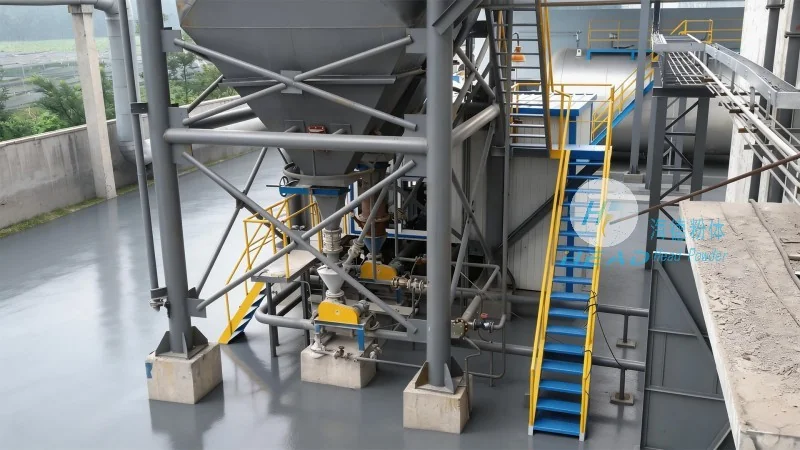
Another crucial design principle is the choice of conveying line configuration. Systems can be classified as positive pressure, negative pressure, or a combination of both. Positive pressure systems use compressed air to push the powder through the line, while negative pressure systems use vacuum to draw the powder. The selection depends on the distance, height, and layout of the conveying path. For long-distance or high-rise applications, positive pressure systems are often preferred due to their ability to maintain consistent pressure and prevent material settling. Conversely, negative pressure systems are suitable for short-distance or horizontal conveying where space constraints are a concern.
Material handling components, such as feeders, cyclones, and filters, are also integral to the system's design. The feeder is responsible for introducing the refractory powder into the conveying line at a controlled rate, preventing overloading or underloading. Cyclones are used to separate the powder from the air stream, ensuring that the powder is collected efficiently and the air is filtered before release. Filters, typically high-efficiency particulate air (HEPA) filters, are essential for maintaining air quality and complying with environmental regulations. The design of these components must consider the abrasive nature of refractory powders, as they can cause wear and tear on equipment. Therefore, materials such as stainless steel or special alloys are often used to ensure longevity and performance.
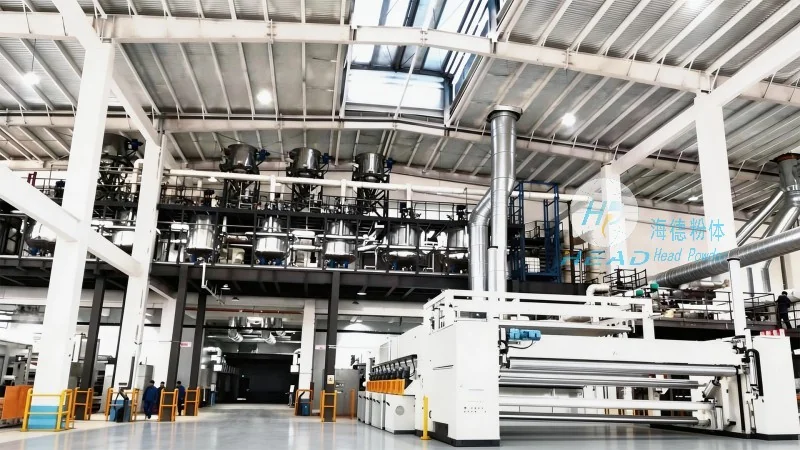
Control systems play a vital role in the operation of pneumatic conveying systems. Modern systems are equipped with advanced control panels that monitor and regulate air pressure, flow rates, and material levels. These systems can include sensors for detecting blockages, pressure drops, or air leaks, allowing for immediate intervention to prevent system failures. Automation features, such as programmable logic controllers (PLCs), enable remote monitoring and adjustment, enhancing operational efficiency and reducing downtime. The control system also ensures that the conveying process is synchronized with other production steps, such as mixing or molding, to maintain a smooth workflow.
Advantages of Refractory Powder Pneumatic Conveying Systems
Implementing a refractory powder pneumatic conveying system offers several advantages over traditional material handling methods. One of the most significant benefits is the ability to handle abrasive and fine powders without the need for mechanical components like belts or buckets. This reduces maintenance costs and extends the lifespan of the equipment. Additionally, pneumatic conveying systems can transport materials over long distances and vertical heights, making them suitable for complex production layouts. The enclosed system also minimizes dust emissions, improving workplace safety and environmental compliance.
Another advantage is the flexibility in system configuration. Pneumatic conveying systems can be easily modified or expanded to accommodate changes in production volume or process requirements. For instance, adding additional cyclones or feeders allows for increased capacity without disrupting the existing setup. This adaptability makes the systems cost-effective in the long run, as they can grow with the company's needs. Furthermore, the enclosed nature of the system prevents material contamination, which is critical for refractory powders used in high-quality applications like furnace linings or ceramic products.
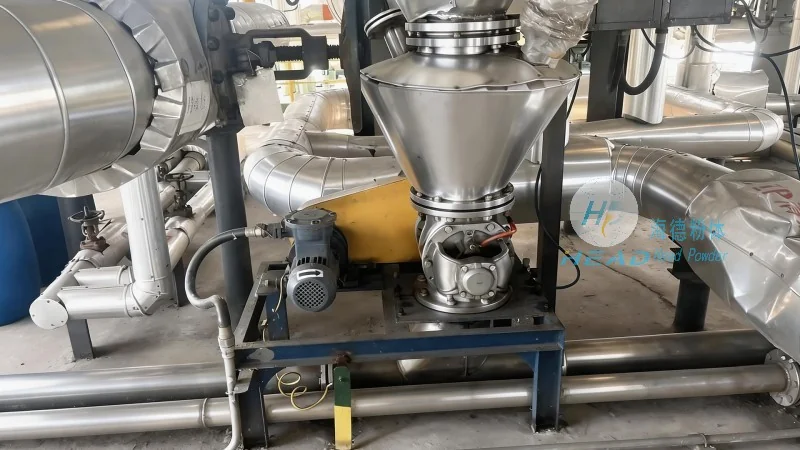
The efficiency of pneumatic conveying systems is also noteworthy. Compared to traditional methods like bucket elevators or screw conveyors, pneumatic systems can achieve higher material throughput with lower energy consumption. The use of compressed air as the conveying medium is energy-efficient, especially when the system is designed to recover and recycle the air. This not only reduces operational costs but also contributes to sustainability efforts by minimizing energy waste. The speed and reliability of the system ensure that production processes run smoothly, reducing delays and improving overall productivity.
Conclusion
Refractory powder pneumatic conveying systems are essential equipment in the refractory industry, providing efficient, reliable, and safe material handling solutions. The design principles, including air flow management, line configuration, and component selection, are critical to ensuring optimal performance. Companies like Shandong HeadPowder Engineering Co., Ltd. specialize in developing and supplying these systems, leveraging advanced engineering and materials to meet the demanding requirements of modern industrial applications. By investing in a well-designed pneumatic conveying system, refractory manufacturers can enhance their operational efficiency, reduce costs, and maintain the quality of their products, ultimately contributing to their long-term success in the market.