

What is a Corn Feed Powder Pneumatic Conveying System? And What Are Its Design Principles?
For those in the agricultural and feed processing industries, understanding the mechanics and design principles of corn feed powder pneumatic conveying systems is crucial for efficient material handling and processing. This article, brought to you by Shandong HeadPowder Engineering Co., Ltd. (headpowder), will delve into the core components, operational principles, and design considerations of such systems, providing a comprehensive overview for professionals seeking to optimize their feed processing operations.
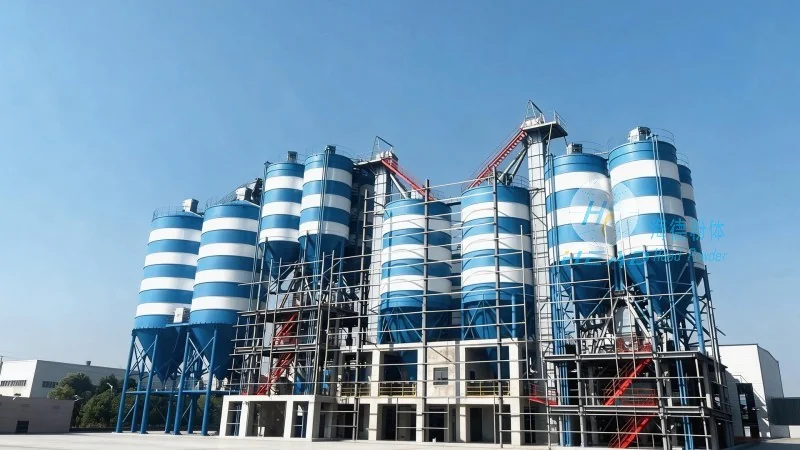
Introduction to Corn Feed Powder Pneumatic Conveying Systems
Corn feed powder pneumatic conveying systems are specialized equipment used to transport dry, granular, or powdered materials, such as corn feed, from one location to another within a processing facility. Unlike traditional mechanical conveyors, which rely on physical contact and friction, pneumatic systems use compressed air or other gases to move materials through a pipeline. This method offers several advantages, including reduced contamination risk, lower maintenance requirements, and the ability to transport materials over longer distances without the need for multiple transfer points.
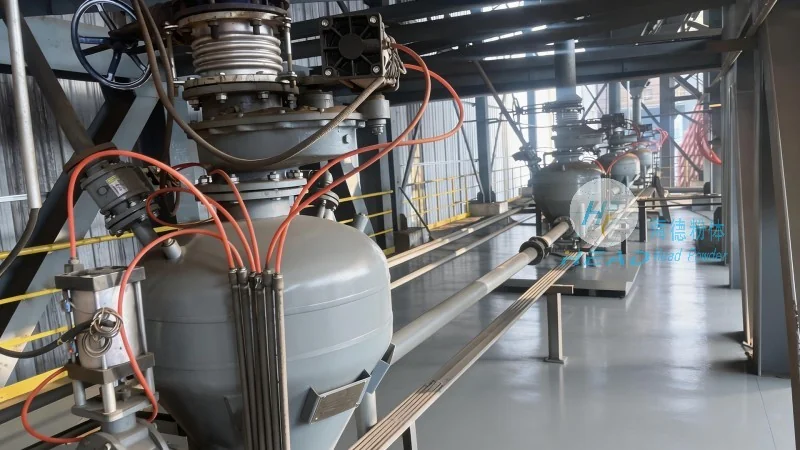
Key Components of a Corn Feed Powder Pneumatic Conveying System
The effectiveness of a corn feed powder pneumatic conveying system depends on its integrated components, each playing a vital role in the material transport process. The primary components include:
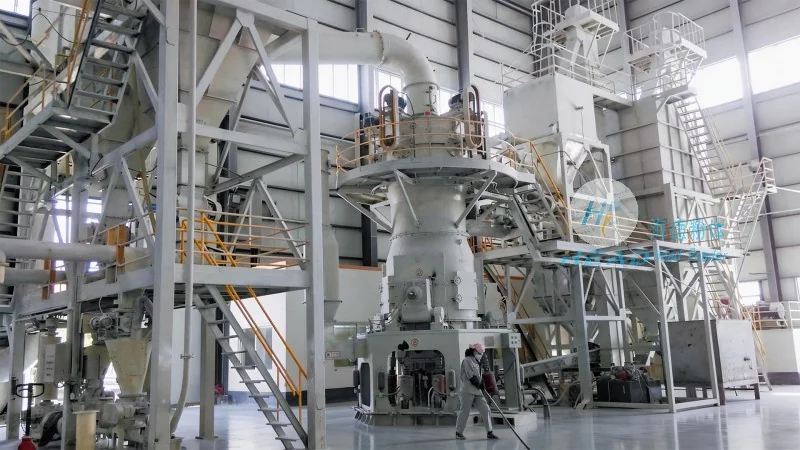
- Feeder: The feeder is responsible for feeding the corn feed powder into the conveying line at a controlled rate. It ensures a consistent flow of material, preventing blockages and maintaining system efficiency.
- Pneumatic Conveying Pipe: This is the main pipeline through which the corn feed powder is transported. The pipe is typically made of durable materials like stainless steel or plastic, designed to withstand the pressure and abrasion from the material and air.
- Compressor: The compressor generates the compressed air or gas needed to create the pressure differential that propels the material through the pipeline. The choice of compressor type (e.g., rotary lobe, screw, or centrifugal) depends on the system's capacity and operating conditions.
- Regulator and Filter: These components control the air pressure and quality, ensuring stable operation and preventing contaminants from entering the system, which could affect the quality of the corn feed.
- Receiver: The receiver is the final destination where the corn feed powder is deposited. It may include a hopper or storage tank to hold the material until it is further processed or packaged.
Design Principles for Efficient Corn Feed Powder Pneumatic Conveying
The design of a corn feed powder pneumatic conveying system involves several key principles aimed at maximizing efficiency, minimizing energy consumption, and ensuring material integrity. These principles include:
- Velocity and Pressure Management: The system must maintain an appropriate air velocity within the pipeline to ensure the corn feed powder is fully suspended and transported without settling or clogging. Proper pressure management is critical to prevent excessive wear on components and to optimize energy use.
- Material Characteristics Consideration: The design must account for the physical properties of the corn feed powder, such as particle size, density, and moisture content. These factors influence the required air velocity, pressure, and pipe diameter to achieve efficient transport.
- System Sizing and Layout: The system's layout and pipe sizing are determined based on the distance to be covered and the required flow rate. Proper sizing ensures that the system operates within its optimal performance range, avoiding under or overloading that could lead to inefficiencies or equipment damage.
- Integration with Processing Lines: The conveying system is often integrated with other processing equipment, such as mixers, grinders, or packaging machines. The design must ensure seamless transfer of material between these units, minimizing downtime and maintaining production continuity.
Benefits of Using Corn Feed Powder Pneumatic Conveying Systems
Implementing a corn feed powder pneumatic conveying system offers numerous benefits for feed processing facilities. These include:
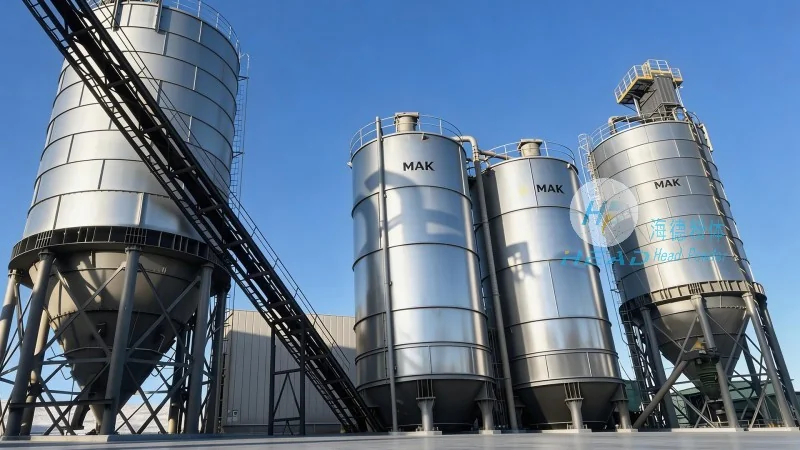
- Enhanced Hygiene and Sanitation: Pneumatic systems minimize direct contact between the material and equipment, reducing the risk of contamination and making cleaning and maintenance more straightforward.
- Reduced Labor and Maintenance Costs: With fewer moving parts and no physical contact, pneumatic systems require less maintenance and can reduce labor costs associated with manual handling and cleaning of traditional conveyors.
- Improved Material Quality: By avoiding physical abrasion and contamination, the system helps maintain the quality and nutritional value of the corn feed, which is critical for animal health and performance.
- Flexibility and Scalability: Pneumatic conveying systems can be easily scaled to accommodate changes in production volume or facility layout, providing long-term flexibility for growing businesses.
Conclusion
Corn feed powder pneumatic conveying systems are essential for modern feed processing operations, offering efficient, hygienic, and flexible material handling solutions. By understanding the key components and design principles, feed processing facilities can optimize their operations, reduce costs, and ensure the quality of their products. For those considering implementing such a system, it is important to work with experienced engineering firms like Shandong HeadPowder Engineering Co., Ltd. to tailor solutions that meet specific operational needs and enhance overall productivity.