

Masterbatch Powder Pneumatic Conveying System: What It Is and Its Design Principles
Masterbatch powder pneumatic conveying systems are specialized industrial equipment designed to transport and handle masterbatch powders efficiently. These systems are crucial in various manufacturing processes, particularly in the plastics and polymer industries, where the precise and reliable movement of masterbatch materials is essential for maintaining product quality and production efficiency. The core function of such systems is to transfer bulk masterbatch powders from storage silos or hoppers to processing equipment like extruders or mixers, ensuring a seamless and controlled flow without the need for manual handling or traditional mechanical conveyors. Shandong HeadPowder Engineering Co., Ltd., a leading manufacturer of industrial conveying systems, specializes in designing and supplying these advanced systems.
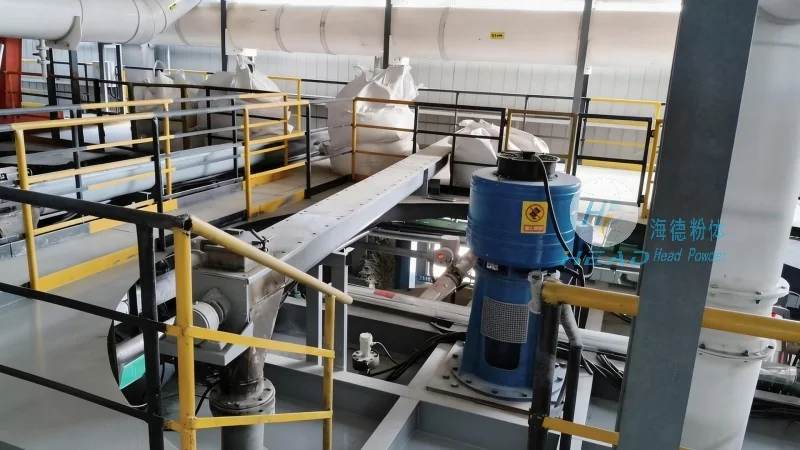
Introduction to Masterbatch Powder Pneumatic Conveying Systems
Masterbatch powder pneumatic conveying systems represent a modern approach to material handling in the chemical and plastics sectors. Unlike traditional methods that rely on gravity or mechanical components, pneumatic conveying systems utilize air or gas to transport powders through a network of pipes and ducts. This method offers several advantages, including reduced contamination risk, lower maintenance requirements, and the ability to handle a wide range of powder characteristics, from fine to coarse particles. The system typically consists of a hopper or silo, a conveyor line, a control unit, and a receiver or processing unit. The entire setup is engineered to ensure that masterbatch powders are conveyed safely, efficiently, and in compliance with industrial standards.
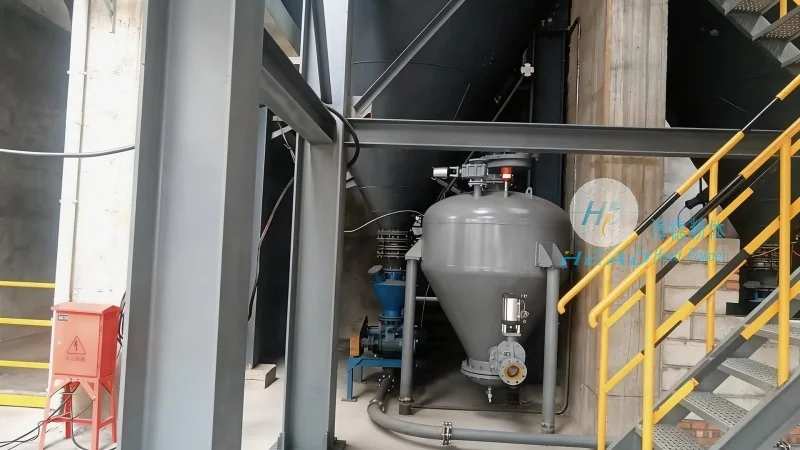
Key Components of a Masterbatch Powder Pneumatic Conveying System
The design of a masterbatch powder pneumatic conveying system involves several critical components that work in tandem to achieve optimal performance. The primary components include the storage hopper or silo, which holds the masterbatch powder and provides a controlled feed to the system. The conveyor line, often made of stainless steel or other corrosion-resistant materials, is the main pathway for the powder. It may include various sections such as the feed section, the conveying section, and the discharge section. The system also incorporates a blower or air compressor that generates the necessary air pressure to move the powder. Additionally, there are control valves and sensors that regulate the flow rate, pressure, and other operational parameters to ensure smooth and consistent conveying. The receiver or processing unit at the end of the system collects the conveyed masterbatch powder and delivers it to the next stage of the production process.

Design Principles and Operational Mechanisms
The design principles of a masterbatch powder pneumatic conveying system are centered on achieving efficient and reliable powder transport while minimizing issues like blockages, segregation, and material degradation. The system operates on the principle of pneumatic transport, where the powder is suspended in a stream of air and carried through the conveyor line. This suspension is achieved by maintaining a specific air velocity within the pipe, which is typically higher than the terminal velocity of the powder particles. The design must consider factors such as the particle size, density, and flowability of the masterbatch powder, as these characteristics influence the required air flow rates and system pressure. Engineers use computational fluid dynamics (CFD) and empirical formulas to determine the optimal air flow rates and system dimensions. The system may also incorporate features like pulse-jet cleaning to prevent clogging and maintain consistent performance over time. Furthermore, the design ensures that the system can handle varying load conditions, from low to high flow rates, and adapt to different production schedules without compromising efficiency.