

What is a Pea Powder Pneumatic Conveying System? And What Are Its Design Principles?
Pea powder pneumatic conveying systems are specialized equipment used to transport pea powder and other fine powders through a pipeline using air as the conveying medium. This technology is widely applied in the food processing industry, particularly for handling pea products, where efficient and hygienic material transport is crucial. Understanding the core components and design principles of such systems is essential for optimizing production processes and ensuring product quality.
About the Manufacturer: Shandong HeadPowder Engineering Co., Ltd.
HeadPowder, a leading manufacturer based in Shandong, China, specializes in the design, development, and production of advanced pneumatic conveying systems. With years of experience in the industry, the company has built a strong reputation for delivering high-quality, reliable equipment tailored to the specific needs of food processing facilities. The company's headquarters is located in Shandong, China, where its team of engineers and technicians work diligently to innovate and improve pneumatic conveying solutions.
Key Components of a Pea Powder Pneumatic Conveying System
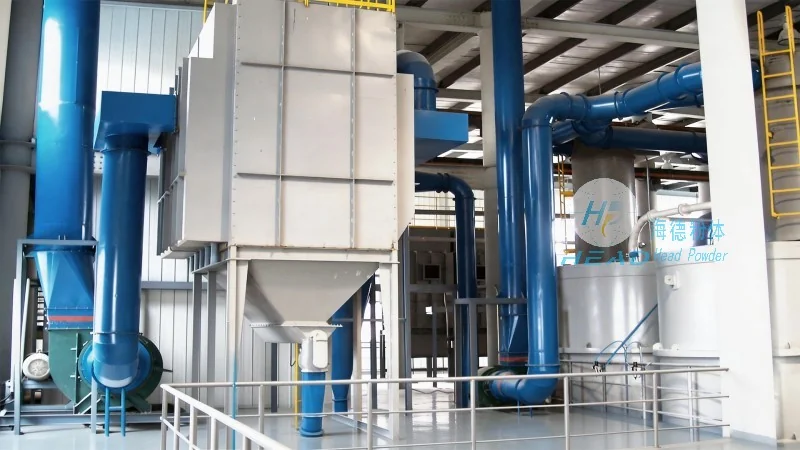
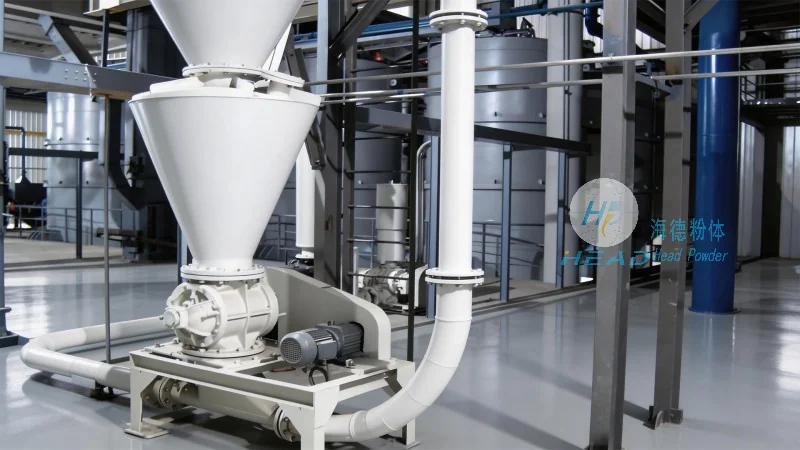
A typical pea powder pneumatic conveying system consists of several critical components that work in tandem to achieve efficient material transport. The main components include a material hopper, a feeder, a conveying pipeline, a venturi or air lock, and a dust collector. The material hopper stores the pea powder, while the feeder controls the flow rate of the powder into the system. The conveying pipeline transports the powder and air mixture, and the venturi or air lock ensures the material is discharged at the receiving end. The dust collector removes any airborne particles, maintaining a clean and safe working environment.
Design Principles and Working Mechanism
The design of a pea powder pneumatic conveying system is based on the principles of fluidization and air flow. The system operates by introducing air into the conveying pipeline at a controlled pressure and velocity. The pea powder is then entrained by the air stream and carried through the pipeline to the destination. The design principles focus on optimizing the air-to-material ratio, ensuring adequate pressure and flow rates to prevent blockages and maintain system efficiency. The system is designed to handle fine powders like pea powder, which can be prone to caking or agglomeration, thus requiring careful consideration of material properties and system configuration.
Advantages of Using a Pea Powder Pneumatic Conveying System
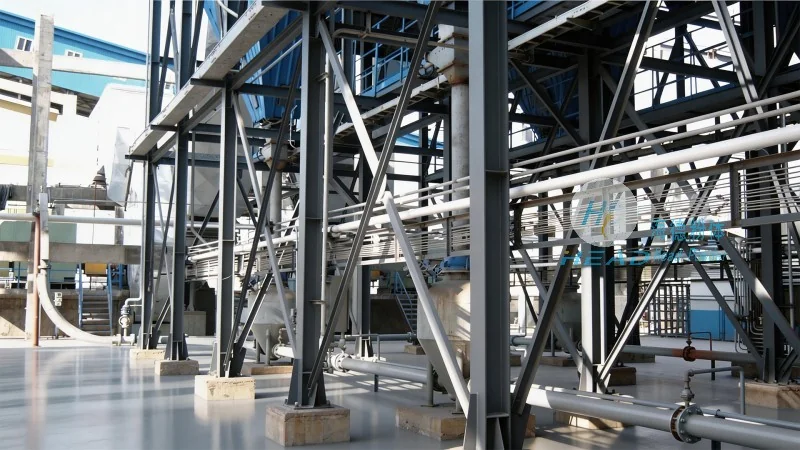
Implementing a pneumatic conveying system for pea powder offers several advantages over traditional mechanical conveying methods. Firstly, it provides a hygienic and dust-free transport environment, which is critical for food products to meet regulatory standards. Secondly, the system is highly flexible, allowing for easy integration into existing production lines and the ability to transport materials over long distances without the need for multiple transfer points. Thirdly, it reduces labor costs and operational complexity, as the system can operate continuously with minimal manual intervention. Additionally, the system can handle varying material flow rates and compositions, making it adaptable to different production scales and requirements.
Applications in the Food Processing Industry
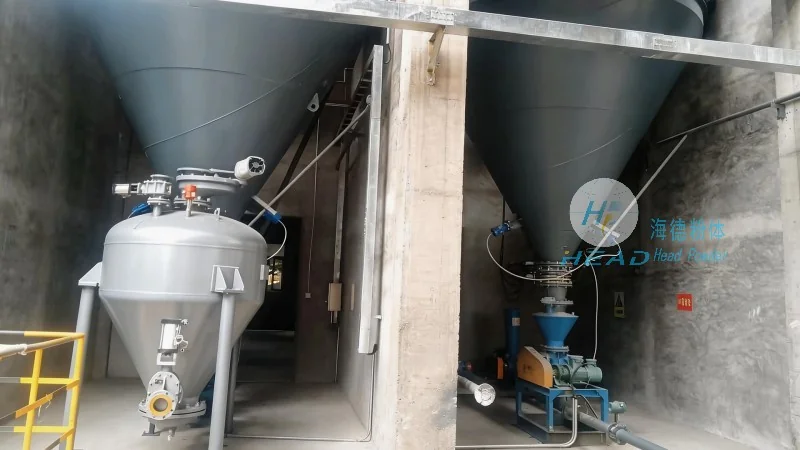
Pea powder pneumatic conveying systems are widely used in various stages of pea processing, from raw material handling to final product packaging. In the initial stages, the system can transport raw pea powder from storage silos to processing equipment, ensuring a consistent and controlled feed rate. During the processing phase, the system may be used to convey pea powder through mixing, grinding, or drying operations, maintaining the quality and integrity of the product. In the final stages, the system can transport finished pea powder to packaging lines, where it is filled into containers or bags. The versatility of the system makes it suitable for a range of applications, including the production of pea protein, pea flour, and other pea-based food products.
Conclusion
Pea powder pneumatic conveying systems are essential equipment for modern food processing facilities, offering efficient, hygienic, and reliable material transport solutions. The design principles and components of these systems are carefully engineered to handle the unique properties of pea powder, ensuring optimal performance and product quality. With the expertise of manufacturers like Shandong HeadPowder Engineering Co., Ltd., businesses can invest in high-quality pneumatic conveying systems that meet their specific operational needs and contribute to overall production efficiency. By understanding the core design principles and benefits of such systems, food processing companies can make informed decisions to enhance their production capabilities and maintain compliance with industry standards.