

What is a Feed Powder Pneumatic Conveying System? And What Are Its Design Principles?
A feed powder pneumatic conveying system is a specialized industrial equipment designed to transport bulk feed powders, such as animal feed, fertilizer, or other granular materials, through a pipeline using compressed air or other gas. This technology offers a highly efficient and flexible method for moving feed materials from one location to another, replacing traditional methods like belt conveyors or bucket elevators in many applications. The system is particularly valuable in the feed industry due to its ability to handle fine powders without the risk of clogging or degradation, ensuring consistent and reliable material transfer.
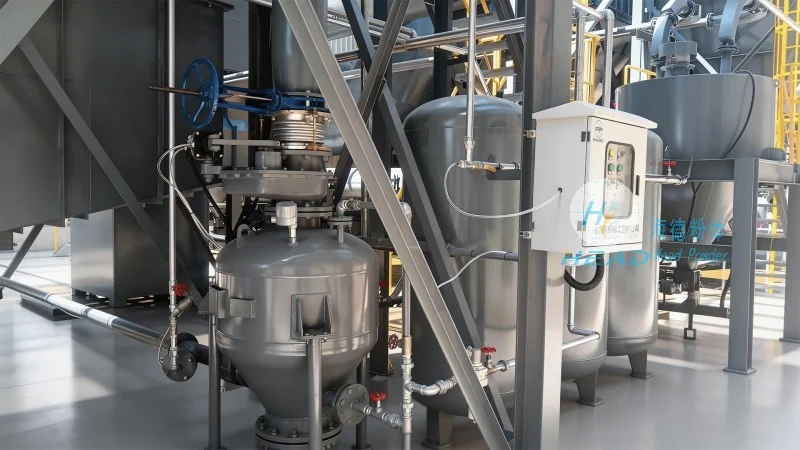
The Core Principle of Pneumatic Conveying
The fundamental principle behind pneumatic conveying is the use of a gas stream (typically air under pressure) to create a flow that propels the powder particles through a pipeline. This process can be categorized into two main types: dilute-phase and dense-phase conveying. Dilute-phase systems operate at higher air velocities, where the powder is suspended in the air stream, while dense-phase systems use lower velocities and higher air-to-powder ratios, forming a plug of material that moves through the pipeline. The choice between these types depends on factors like the material's properties, the required distance of transport, and the desired system efficiency.
Key Components of a Feed Powder Pneumatic Conveying System
At the heart of a feed powder pneumatic conveying system are several critical components that work in tandem to ensure effective operation. The primary components include:
1. Feed Hopper and Feeder: The feed hopper stores the bulk feed material, and the feeder (such as a rotary valve or screw feeder) controls the flow rate of the powder into the system, ensuring a consistent feed to the conveyor.
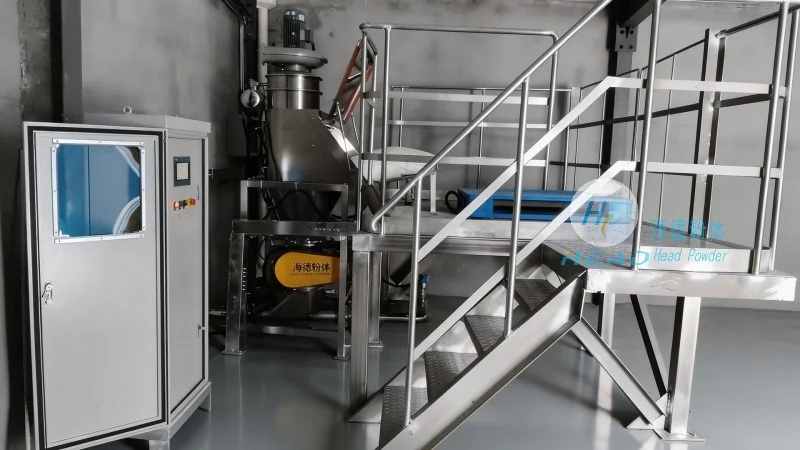
2. Pneumatic Conveying Unit: This is the central part of the system, consisting of the pipeline network, air supply equipment (like a blower or compressor), and the air distribution system. The unit generates the necessary air pressure to move the powder through the pipeline.
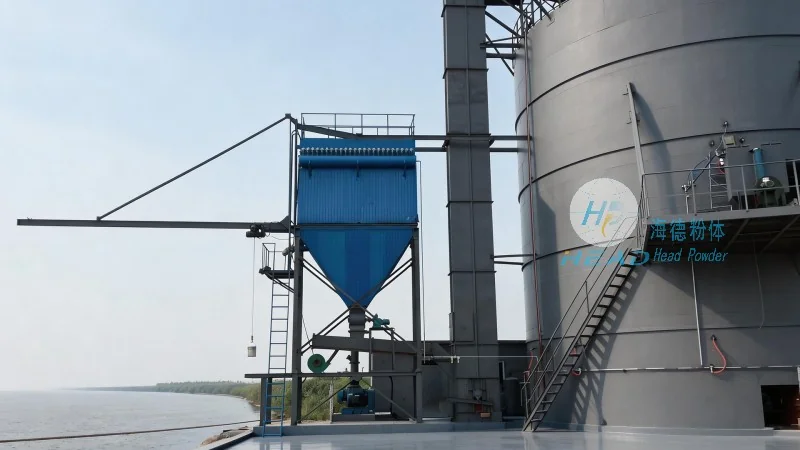
3. Separation and Collection Equipment: At the receiving end, the system includes a separator (such as a cyclone or bag filter) to separate the air from the powder and a collection hopper to store the received material.
4. Control and Monitoring Systems: Modern systems often include sensors and control panels to monitor pressure, flow rates, and other parameters, allowing for real-time adjustments and system optimization.
Design Principles and Considerations
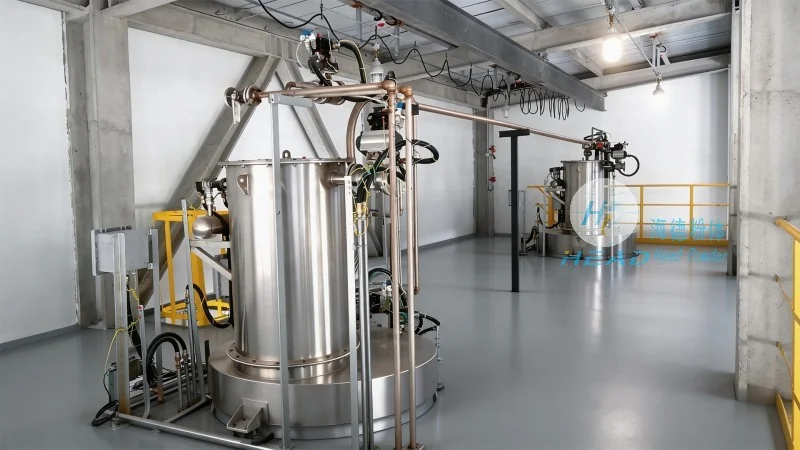
The design of a feed powder pneumatic conveying system involves careful consideration of several factors to ensure optimal performance, efficiency, and durability. Key design principles include:
1. Material Properties Analysis: Understanding the physical and chemical properties of the feed powder, such as particle size distribution, density, moisture content, and flowability, is crucial. These properties determine the appropriate conveying method (dilute or dense phase) and the required air velocity and pressure.
2. Transport Distance and Capacity: The system design must accommodate the required distance of material transport and the desired throughput (tonnage per hour). Longer distances or higher capacities may require larger diameter pipelines, more powerful air sources, or additional booster units.
3. Energy Efficiency: Designing the system for minimal energy consumption is a priority. This involves selecting the right type of air compressor (e.g., rotary lobe or centrifugal), optimizing pipeline layout to reduce pressure losses, and using efficient control systems.
4. System Reliability and Maintenance: The design should consider ease of maintenance and component durability. Materials resistant to corrosion and wear are often used for components that come into contact with the feed material, and regular maintenance schedules are incorporated into the system design.
Company Profile: Shandong HeadPowder Engineering Co., Ltd.
HeadPowder, the professional brand of Shandong HeadPowder Engineering Co., Ltd., specializes in the design, manufacturing, and installation of advanced feed processing equipment, including pneumatic conveying systems. With a strong presence in China, particularly in Shandong, the company leverages years of industry experience to deliver customized solutions tailored to the specific needs of feed manufacturers. By focusing on innovation and quality, HeadPowder ensures that its pneumatic conveying systems meet the highest standards of performance and reliability, helping clients improve operational efficiency and reduce costs in their feed production processes.