

What is a Cotton Seed Powder Pneumatic Conveying System? And What Are Its Design Principles?
For industries dealing with cotton seed processing, understanding the efficient and reliable methods of material handling is crucial. A key technology in this field is the cotton seed powder pneumatic conveying system, which offers a solution for transporting bulk materials like cotton seed powder from one location to another within a processing facility. This article explores the concept of such a system and delves into its fundamental design principles, providing insights into how it operates and why it is a preferred choice in modern processing applications.
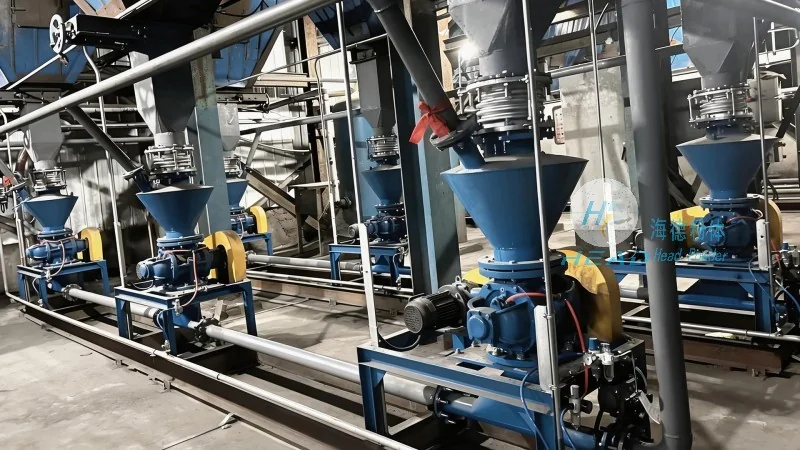
Understanding the Cotton Seed Powder Pneumatic Conveying System
The cotton seed powder pneumatic conveying system is a specialized equipment designed to transport dry, powdery materials, particularly cotton seed powder, from one location to another within a processing facility. Unlike traditional mechanical conveying methods, this system utilizes compressed air or other gases to move the material through a pipeline network. The primary components of this system typically include a material feed hopper, a conveying line, a control unit, and a discharge mechanism. Each component plays a vital role in ensuring the smooth and efficient operation of the system.
Key Components and Their Functions
1. Material Feed Hopper: This is the initial component where cotton seed powder is loaded. It is designed to hold a sufficient quantity of material and regulate the flow rate into the conveying line. The hopper often includes a feeder mechanism, such as a rotary valve or a screw feeder, which controls the amount of material entering the system at a steady rate, preventing overloading or underflow.
2. Conveying Line: The pipeline through which the cotton seed powder is transported. It is usually made of materials like stainless steel or plastic, chosen for their resistance to corrosion and wear from the powder. The line may include bends, elbows, or other fittings to direct the material to the desired destination. The internal diameter and length of the line are critical factors that affect the system's performance, as they influence the pressure drop and the overall conveying efficiency.
3. Control Unit: This component manages the operation of the entire system. It regulates the air pressure, flow rate, and material feed rate to maintain optimal conditions. Modern control units often use sensors and automation technology to monitor parameters like pressure, temperature, and material level, ensuring the system operates within safe and efficient limits. This automation enhances the system's reliability and reduces the need for manual intervention.
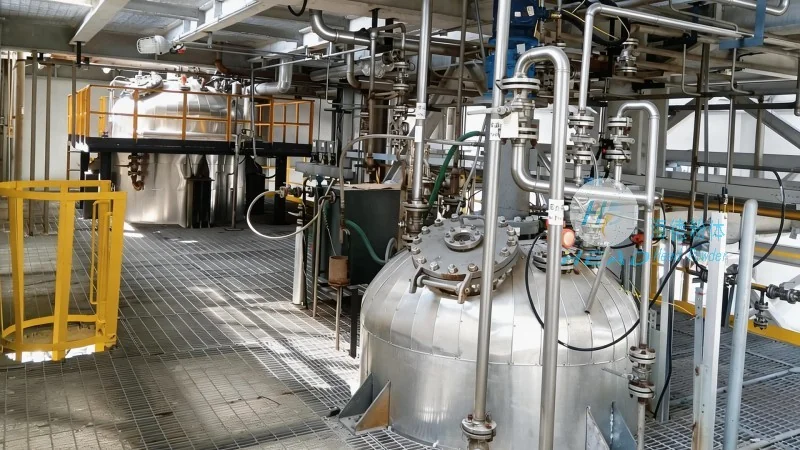
4. Discharge Mechanism: The final component where the cotton seed powder is released from the conveying line. This could be a discharge hopper, a storage silo, or a processing unit. The mechanism is designed to handle the material gently, preventing degradation or agglomeration, which could affect the quality of the cotton seed powder. Proper discharge ensures that the material is delivered to the next stage of processing without loss or contamination.
Design Principles of the Pneumatic Conveying System
The design of a cotton seed powder pneumatic conveying system is based on several fundamental principles that ensure its effectiveness and efficiency. These principles are tailored to the specific characteristics of cotton seed powder, such as its particle size, density, and flowability. The key design considerations include:
1. Pressure Drop Management: The pressure drop along the conveying line is a critical factor. It is the difference between the pressure at the material feed point and the discharge point. Proper design minimizes this drop to reduce energy consumption and maintain the material's velocity. The system's design must account for the friction losses in the pipeline and the acceleration of the material, ensuring that sufficient air pressure is maintained to move the powder through the line.
2. Material Flow Velocity: The velocity of the material in the pipeline is another important design parameter. It must be high enough to prevent the material from settling or clogging the line but low enough to avoid excessive wear on the pipeline and components. The design typically aims for a velocity that balances these factors, ensuring smooth and continuous transport. This velocity is influenced by the air pressure, the material's properties, and the pipeline's dimensions.
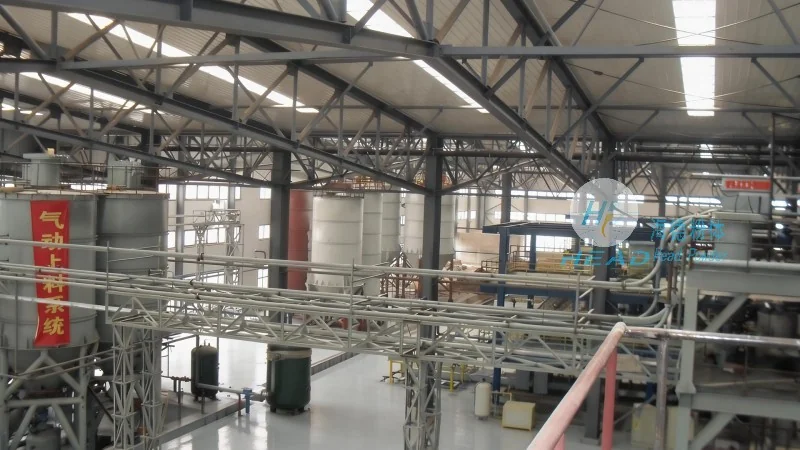
3. System Sizing and Capacity: The system's capacity is determined by the required flow rate of cotton seed powder. This depends on the production scale and the processing needs. The design must ensure that the system can handle the intended flow rate without causing bottlenecks or inefficiencies. Factors such as the material's bulk density, the conveying distance, and the number of turns in the pipeline are considered when sizing the system.
4. Material Handling and Protection: The design also focuses on protecting the cotton seed powder from degradation and contamination. This includes using materials for the pipeline and components that are non-reactive with the powder and ensuring that the system operates under conditions that prevent moisture absorption or oxidation. The control unit's monitoring capabilities help maintain these conditions, ensuring the material's quality is preserved throughout the conveying process.
Advantages of Using a Cotton Seed Powder Pneumatic Conveying System
Implementing a cotton seed powder pneumatic conveying system offers several advantages over traditional mechanical conveying methods. These benefits contribute to improved operational efficiency and product quality in cotton seed processing facilities:
1. Reduced Material Loss and Contamination: Unlike mechanical systems that may cause material spillage or cross-contamination, pneumatic conveying systems transport the material in a closed pipeline, minimizing losses and ensuring the powder remains clean and free from external contaminants.
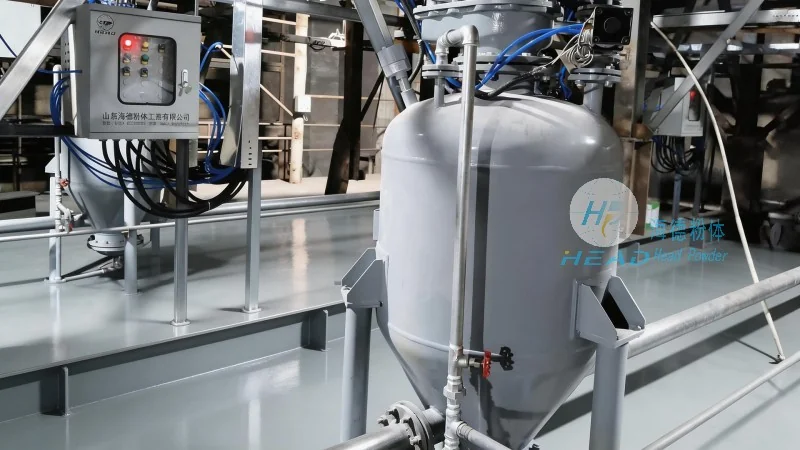
2. Enhanced Process Flexibility: The system allows for easy reconfiguration of the pipeline layout, enabling the material to be transported to multiple destinations or processing units as needed. This flexibility is particularly valuable in dynamic processing environments where production requirements may change.
3. Improved Safety and Hygiene: By operating in a closed system, the pneumatic conveying system reduces dust emissions and improves workplace safety. It also maintains a hygienic environment, which is crucial for food and agricultural products like cotton seed powder.
4. Energy Efficiency: Modern pneumatic conveying systems are designed to be energy-efficient, with optimized pressure and flow rates that reduce energy consumption compared to older or less efficient systems. This not only lowers operational costs but also aligns with sustainability goals.
Conclusion
The cotton seed powder pneumatic conveying system is a sophisticated and efficient solution for handling cotton seed powder in processing facilities. Its design, based on principles of pressure management, material flow, and system capacity, ensures reliable and consistent transport of the material. By leveraging the expertise of companies like Shandong HeadPowder Engineering Co., Ltd., which specializes in such systems, industries can enhance their processing capabilities and maintain high product quality. The system's advantages, including reduced losses, improved flexibility, and enhanced safety, make it a preferred choice for modern cotton seed processing applications.