

What is a Sugar Powder Pneumatic Conveying System? And What Are Its Design Principles?
Sugar powder pneumatic conveying systems are essential for the efficient and hygienic transport of granular or powdered sugar in food processing facilities. These systems utilize air or gas to move sugar from one location to another, eliminating the need for mechanical components like belts or buckets that could introduce contamination or damage the product. The design of such systems is critical to ensure optimal performance, especially when handling delicate food materials like sugar, which require strict adherence to sanitary standards and efficient material flow.
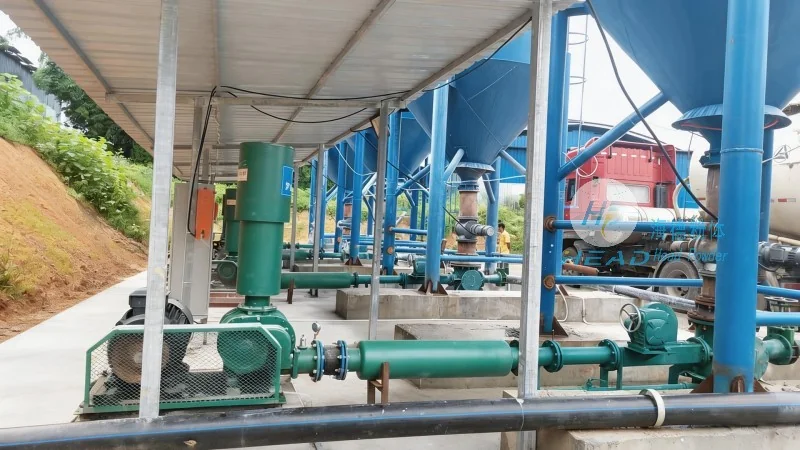
The Role of Pneumatic Conveying in Food Processing
In the food industry, particularly in sugar production and processing, maintaining product quality and safety is paramount. Pneumatic conveying offers a solution that minimizes product exposure to external contaminants and reduces the risk of cross-contamination. Unlike traditional methods, which may involve manual handling or mechanical conveyors that can crush or degrade the sugar particles, pneumatic systems ensure that the sugar remains in its original state, preserving its texture and quality. This is crucial for applications where the sugar's physical properties directly impact the final product, such as in confectionery, beverages, or pharmaceuticals.
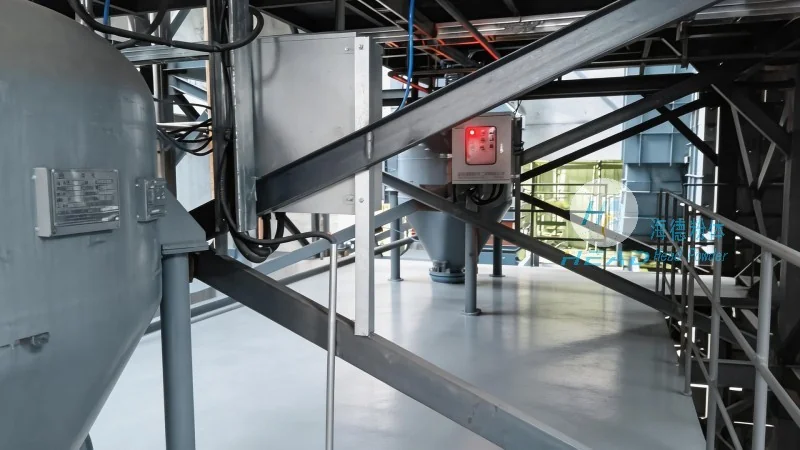
Key Components of a Sugar Powder Pneumatic Conveying System
A typical sugar powder pneumatic conveying system consists of several key components that work in tandem to achieve efficient transport. These include the hopper or feed bin, which holds the sugar and regulates the flow rate; the conveyor itself, which may be of the dilute-phase or dense-phase type depending on the application; the air or gas source, such as a blower or compressor, that provides the necessary pressure to move the sugar; and the collection vessel or discharge point, where the sugar is deposited. Each component is designed to meet the specific requirements of the sugar being handled, ensuring that the system operates smoothly and without interruptions.
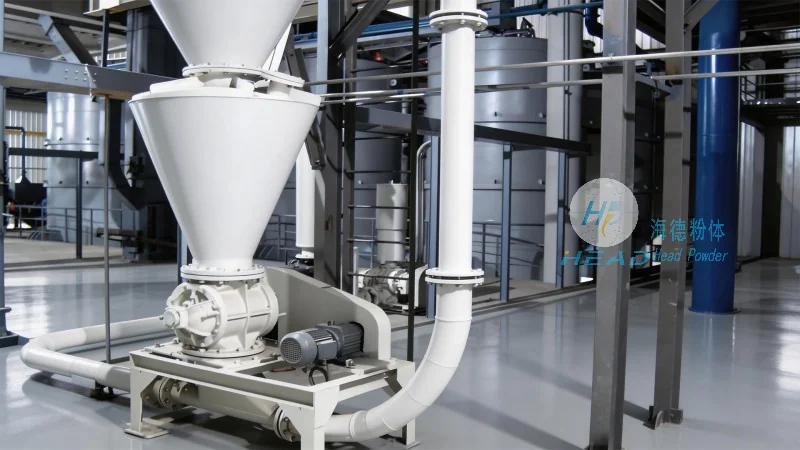
Design Principles for Efficient Sugar Powder Transport
The design of a sugar powder pneumatic conveying system follows several fundamental principles to maximize efficiency and reliability. First, the system must be designed to handle the specific characteristics of the sugar, including its particle size, moisture content, and flowability. This involves selecting the appropriate conveyor type—dilute-phase for short distances or low sugar loads, and dense-phase for longer distances or higher loads, where the sugar is conveyed in a more concentrated stream. Second, the system must maintain a consistent air-to-sugar ratio to prevent clogging or excessive pressure buildup. This is achieved through careful control of the air flow and the feed rate, ensuring that the sugar particles are fully suspended in the air stream. Third, the system must incorporate features that enhance hygiene and ease of maintenance, such as easy-to-clean components, minimal dead zones where product can accumulate, and automated controls that monitor system performance and alert operators to any issues.
HeadPowder's Expertise in Pneumatic Conveying Solutions
Shandong HeadPowder Engineering Co., Ltd. specializes in the design, manufacturing, and installation of custom pneumatic conveying systems tailored to the unique needs of food processing industries. With a focus on hygienic and efficient solutions, HeadPowder's engineers work closely with clients to understand their specific requirements, such as the type of sugar being handled, the distance of transport, and the required throughput. The company's expertise lies in selecting the most appropriate conveyor technology—whether it's a pressure or vacuum system, and whether it's a dilute-phase or dense-phase design—to ensure optimal performance. HeadPowder's systems are built to meet strict industry standards, including those for food safety and sanitation, and are constructed from materials that are resistant to corrosion and easy to clean, such as stainless steel. The company's commitment to quality and customer satisfaction is reflected in its comprehensive after-sales support, including system maintenance and troubleshooting services.

Conclusion
Sugar powder pneumatic conveying systems are a vital component of modern food processing facilities, providing an efficient, hygienic, and reliable method for transporting sugar. The design principles behind these systems, combined with the expertise of companies like Shandong HeadPowder Engineering Co., Ltd., ensure that sugar can be moved safely and effectively, maintaining its quality and meeting the demands of the food industry. As the need for efficient and sanitary processing continues to grow, pneumatic conveying systems will remain a key technology in the sugar and food processing sectors.