

What is Feed Pellet Material Conveying? What Are the Design Principles?
Feed pellet material conveying is a critical process in the feed manufacturing industry, focusing on the efficient transport of feed pellets from one point to another within a production facility. This system is essential for maintaining production flow, ensuring consistent quality, and optimizing operational efficiency. The design principles behind such conveying systems are rooted in several key factors, including material properties, system layout, and operational requirements.
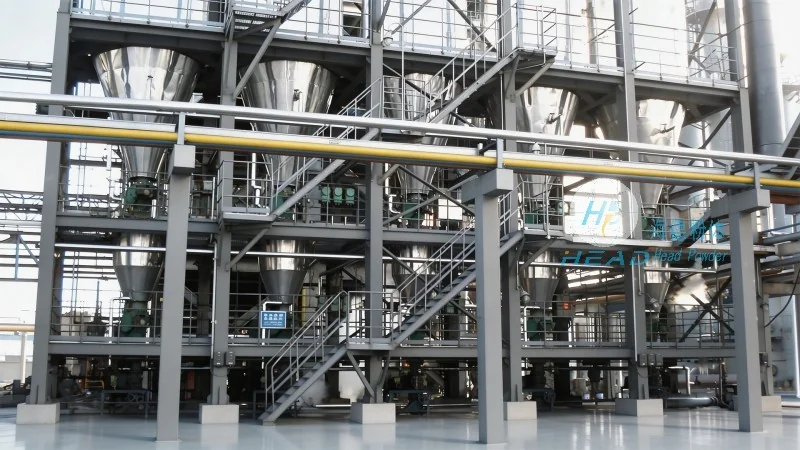
Understanding Feed Pellet Material Conveying
Feed pellet material conveying involves the movement of feed pellets, which are typically produced through pelletizing processes, from processing units to storage silos, packaging lines, or other downstream operations. The primary goal is to transfer these dense, often abrasive materials in a manner that minimizes product degradation, reduces energy consumption, and ensures reliable operation. Various conveying methods are employed, such as screw conveyors, belt conveyors, and pneumatic systems, each with its own advantages and limitations depending on the specific application.
Design Principles for Feed Pellet Conveying Systems
The design of a feed pellet material conveying system requires careful consideration of several critical principles to ensure optimal performance. First, the material's physical properties, including its density, moisture content, and abrasiveness, must be evaluated. These properties influence the choice of conveyor type and the necessary components, such as liners and bearings, to prevent wear and maintain efficiency. Second, the system layout must be integrated with the overall production flow, ensuring that the conveying path is as direct and efficient as possible to minimize energy use and reduce the risk of material blockages.
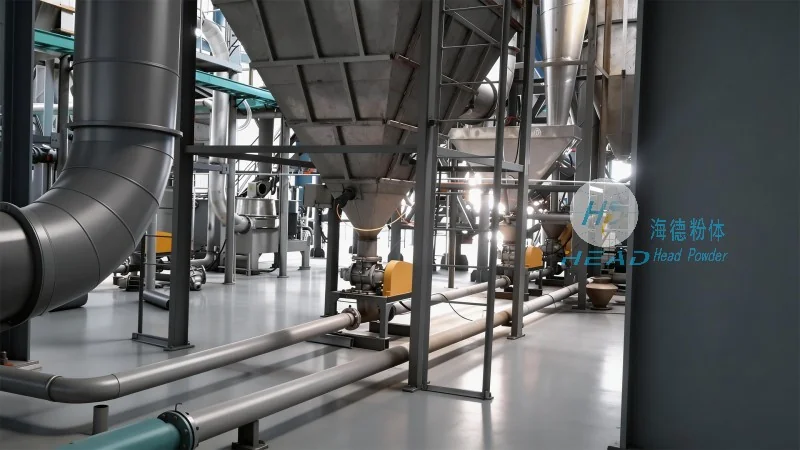
Third, the selection of components, such as drive mechanisms, control systems, and safety features, is crucial. Properly sized and maintained drives ensure consistent speed and power delivery, while advanced control systems allow for real-time monitoring and adjustment of the conveying process. Safety features, including emergency stop mechanisms and overload protection, are essential to prevent accidents and protect both personnel and equipment.
Role of Shandong HeadPowder Engineering Co., Ltd. in Feed Conveying Solutions
Shandong HeadPowder Engineering Co., Ltd., a leading provider of engineering solutions for the feed industry, specializes in the design and manufacturing of feed pellet material conveying systems. With years of experience and a deep understanding of feed processing requirements, the company offers customized solutions tailored to the specific needs of each client. HeadPowder's expertise lies in integrating advanced technology with practical design, resulting in systems that are not only efficient but also durable and reliable.
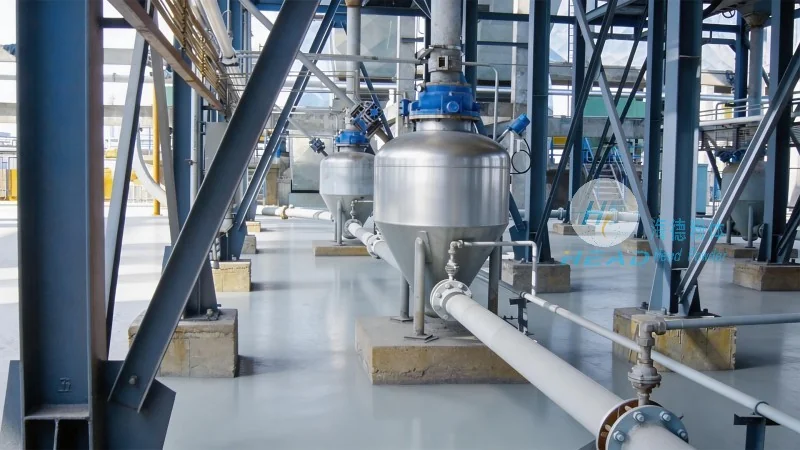
The company's approach to feed conveying design emphasizes the use of high-quality materials and components, ensuring that the systems can withstand the demanding conditions of feed production. This includes the use of corrosion-resistant materials for wet or humid environments and robust construction to handle abrasive feed pellets. Additionally, HeadPowder's systems are designed with maintenance in mind, featuring easy access to components and clear operational indicators to facilitate regular upkeep and minimize downtime.
Key Considerations in Feed Pellet Conveying System Implementation
When implementing a feed pellet material conveying system, several key considerations must be addressed to ensure successful operation. First, the system must be compatible with existing production infrastructure, including the layout of the facility and the integration with other processing equipment. This requires a thorough assessment of the current setup to identify any potential bottlenecks or areas for improvement.
Second, the selection of the appropriate conveying method is critical. For example, screw conveyors are ideal for vertical or inclined transport of feed pellets, while belt conveyors are better suited for horizontal or long-distance transport. Pneumatic systems, on the other hand, are effective for transporting fine or dusty materials but may require additional equipment for dust control. The choice of method depends on factors such as the distance to be covered, the volume of material to be conveyed, and the required speed of operation.
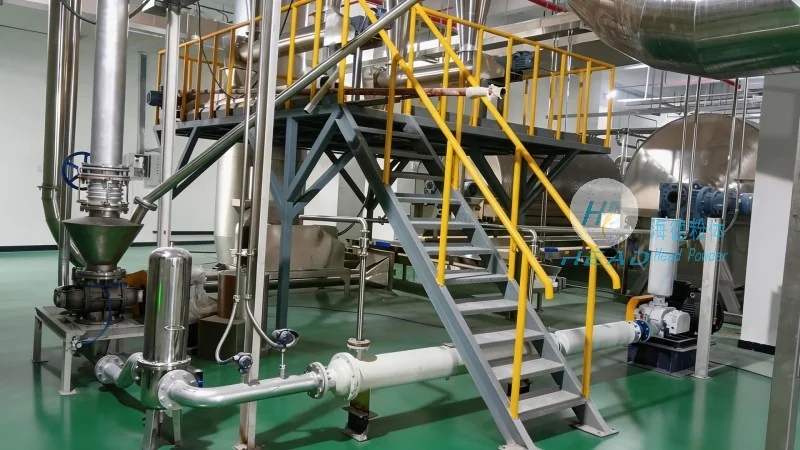
Third, the system must be designed with maintenance and operational costs in mind. This includes selecting components that are easy to replace and maintain, as well as implementing energy-efficient solutions to reduce operational expenses. Additionally, the system should be equipped with monitoring and diagnostic tools to allow for early detection of issues and proactive maintenance, thereby extending the lifespan of the equipment and reducing the risk of unexpected failures.
Conclusion: The Importance of Effective Feed Pellet Conveying
In conclusion, feed pellet material conveying is a vital component of modern feed manufacturing operations, and the design principles behind these systems play a crucial role in their success. By understanding the material properties, optimizing system layout, and selecting appropriate components, manufacturers can ensure efficient and reliable transport of feed pellets. Companies like Shandong HeadPowder Engineering Co., Ltd. play a key role in providing the expertise and solutions needed to implement effective conveying systems, helping feed producers to enhance their operational efficiency and maintain high product quality.