

What is a High-Temperature Fine Powder Conveying Line? And What Are Its Design Principles?
High-temperature fine powder conveying lines are specialized systems engineered to transport fine powders in environments where elevated temperatures are prevalent. These systems are crucial in industries such as cement production, chemical processing, and pharmaceutical manufacturing, where materials like cement clinker, calcium carbonate, or other heat-sensitive powders need to be moved efficiently and safely. The design of these conveying lines is tailored to handle the unique challenges posed by high temperatures, ensuring minimal material degradation and optimal operational performance.
About Shandong HeadPowder Engineering Co., Ltd.
Shandong HeadPowder Engineering Co., Ltd., commonly known as HeadPowder, is a leading manufacturer specializing in the design, development, and installation of advanced powder handling systems. With a strong focus on innovation and customer-centric solutions, HeadPowder has established itself as a trusted partner in the industry. The company is headquartered in Shandong, China, and leverages decades of experience to deliver high-quality, reliable conveying solutions that meet the stringent requirements of modern industrial applications.
Key Design Principles of High-Temperature Fine Powder Conveying Lines
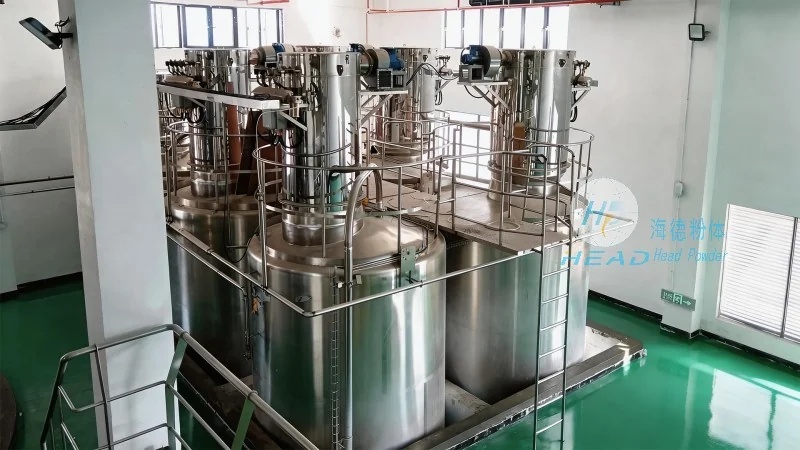
The design of a high-temperature fine powder conveying line involves several critical principles aimed at ensuring efficiency, safety, and durability. One of the primary considerations is the selection of appropriate materials for the conveying components, such as the pipeline, valves, and drive systems. Materials like stainless steel, heat-resistant alloys, or specialized coatings are often used to withstand the high temperatures and corrosive nature of the powders being transported. Additionally, the system must incorporate effective temperature control mechanisms to prevent overheating and maintain the integrity of the material. This may include insulation, cooling jackets, or temperature monitoring sensors integrated into the pipeline.
Components and Functionality of the Conveying System
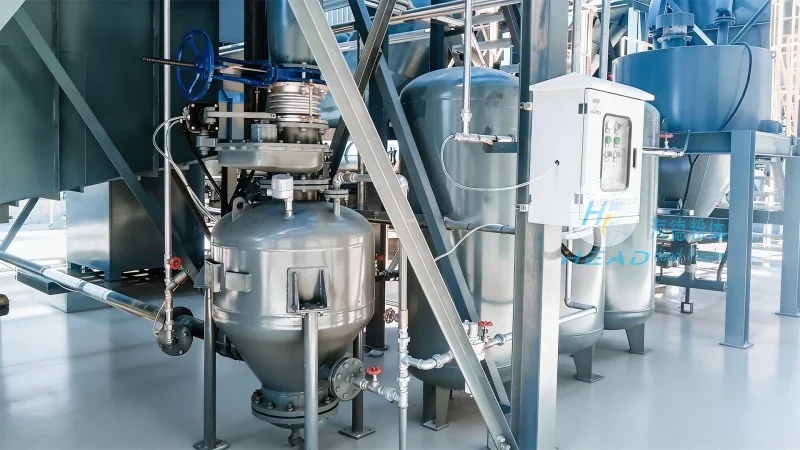
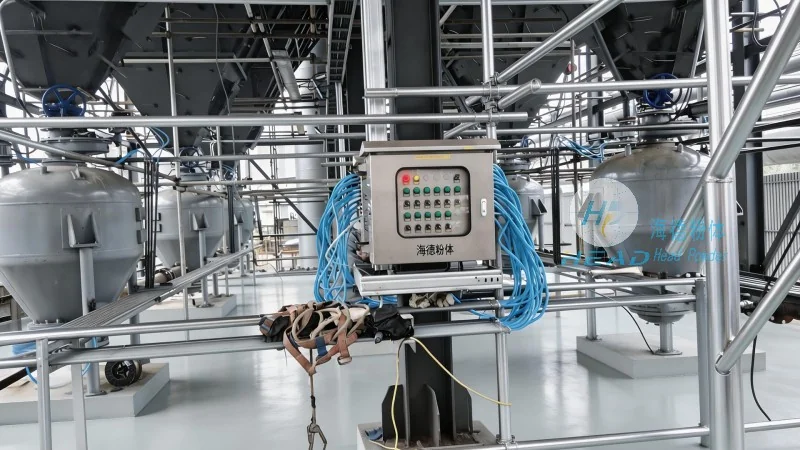
A typical high-temperature fine powder conveying line consists of several key components that work in tandem to achieve reliable material transport. The system begins with a feeding device, such as a rotary valve or a feeder, which controls the flow of the fine powder into the pipeline. From there, the material is propelled through the pipeline using positive displacement or pneumatic methods. Positive displacement conveyors, like screw conveyors or auger conveyors, are commonly used for high-temperature applications due to their ability to handle dense and abrasive materials without the need for high air pressure. The pipeline itself is typically made of flexible or rigid materials, depending on the application, and is often equipped with expansion joints to accommodate thermal expansion caused by the high temperatures.
Ensuring Safety and Efficiency in High-Temperature Operations
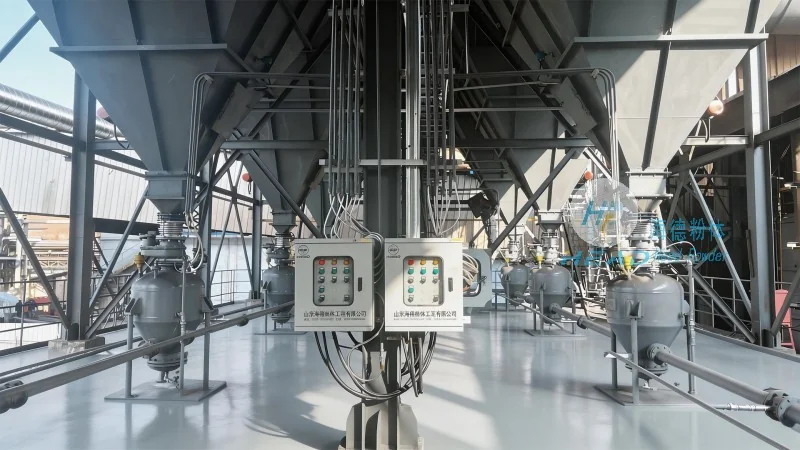
Operating a high-temperature fine powder conveying line requires strict adherence to safety protocols to prevent accidents and ensure the longevity of the equipment. Regular maintenance is essential to check for wear and tear on components, such as seals and bearings, which are critical in maintaining the integrity of the system. Additionally, the system should be equipped with safety features like temperature sensors, pressure relief valves, and emergency shut-off mechanisms to mitigate potential risks. By implementing these safety measures, operators can ensure the efficient and safe operation of the conveying line, minimizing downtime and maximizing productivity.