

What is a Polysilicon Powder Conveying Line? And What Are Its Design Principles?
Polysilicon, a critical raw material in the semiconductor industry, requires efficient and reliable handling systems to ensure smooth production processes. A polysilicon powder conveying line is a specialized system engineered to transport polysilicon powder from one location to another within a manufacturing facility. Shandong HeadPowder Engineering Co., Ltd., a leading manufacturer in the field, specializes in designing and supplying such conveying lines to meet the needs of the semiconductor industry.
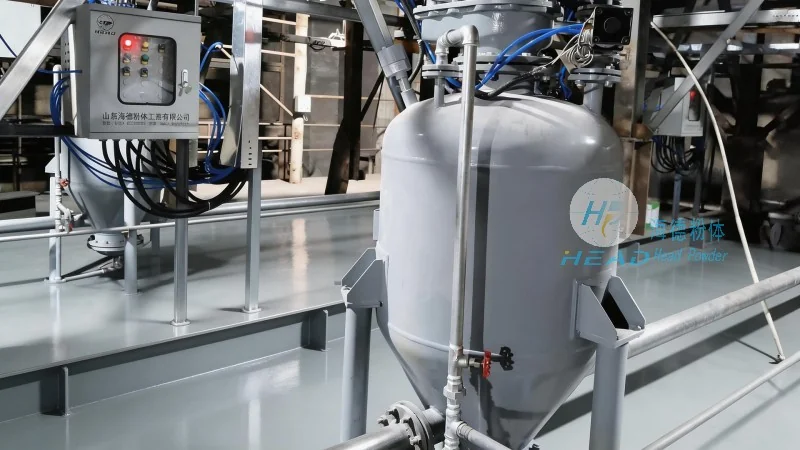
Understanding the Polysilicon Powder Conveying Line
At the core of polysilicon production, the conveying line plays a pivotal role in managing the movement of fine, abrasive powder. Polysilicon powder is typically produced through processes like the Siemens method or other chemical routes, resulting in a material that demands precise handling to prevent degradation or loss. The conveying line is designed to address these challenges by integrating various components that work in tandem to ensure safe, efficient, and consistent material transport.
Key Components and Design Principles
The design of a polysilicon powder conveying line is built upon several key principles aimed at optimizing performance, safety, and durability. These principles include minimizing material degradation, ensuring consistent flow rates, and maintaining a clean and controlled environment. The system commonly incorporates components such as feeders, conveyors, and control systems, each tailored to the specific characteristics of polysilicon powder.
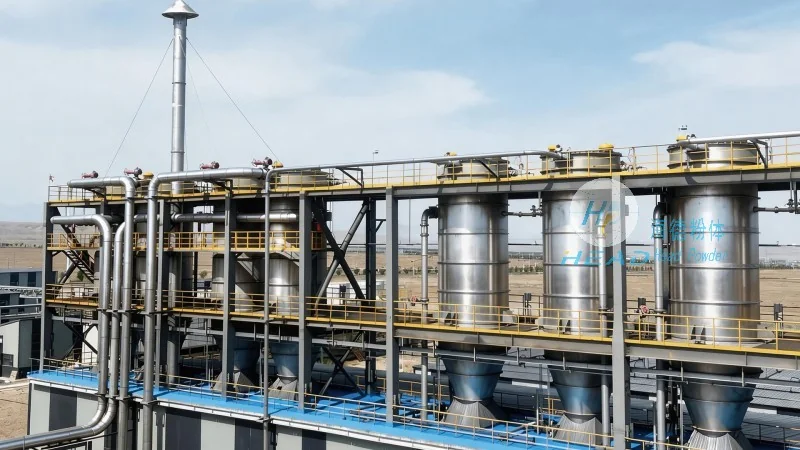
Feeding mechanisms are crucial in a polysilicon conveying line. These systems are designed to handle the fine, cohesive nature of polysilicon powder, preventing clogging and ensuring a steady supply to the conveyor. Common feeding devices include rotary valves, screw feeders, or pneumatic feeders, each selected based on the material's flow properties and the required flow rate. The design of these feeders must account for the abrasive nature of polysilicon, which can cause wear over time, necessitating robust construction and regular maintenance.
Conveyor Systems and Material Handling
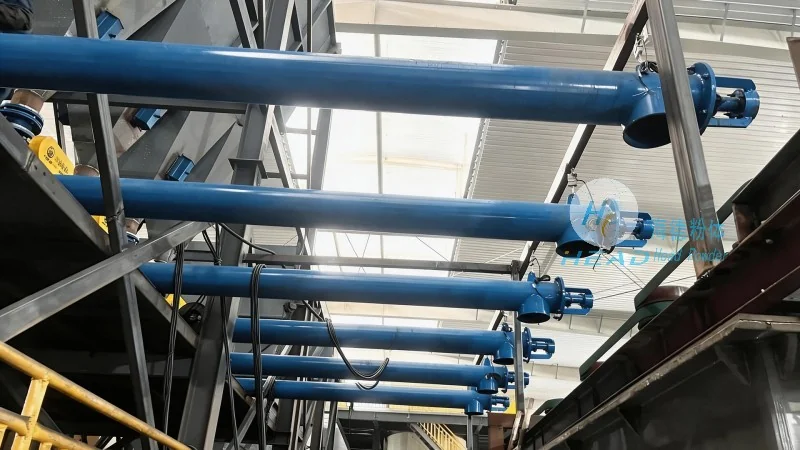
The conveyor system is the backbone of the polysilicon powder conveying line, responsible for transporting the material over varying distances and elevations. Various conveyor types are employed, including belt conveyors, screw conveyors, and pneumatic conveying systems. Belt conveyors are often used for horizontal or slight incline transport, offering high capacity and reliability. Screw conveyors, on the other hand, are suitable for vertical or inclined transport, providing a compact solution for elevating the powder. Pneumatic conveying systems utilize air pressure to move the powder through pipes, which is particularly effective for fine powders that are prone to dusting or segregation.
Each conveyor type has its advantages and limitations. Belt conveyors are ideal for large volumes and can handle abrasive materials with minimal wear, but they require regular maintenance to prevent belt slippage or damage. Screw conveyors are more compact and can handle vertical transport, but they may experience wear on the screw and housing due to the abrasive nature of polysilicon. Pneumatic conveying systems offer flexibility in layout and can transport powder over long distances, but they require careful control of air pressure and flow to prevent material degradation or clogging.
Control and Monitoring Systems
Effective control and monitoring are essential for the reliable operation of a polysilicon powder conveying line. Modern systems incorporate advanced control technologies, such as PLC (Programmable Logic Controller) systems, to regulate the flow rate, pressure, and other parameters. These systems allow for real-time monitoring of the conveying process, enabling operators to detect and address issues promptly. Sensors, such as level sensors, pressure sensors, and flow meters, are integrated into the system to provide accurate data on the material's status and the system's performance.
The control system also ensures that the conveying line operates within safe parameters, preventing overloading or underflow conditions that could lead to material loss or equipment damage. By providing real-time feedback and automated adjustments, the control system enhances the overall efficiency and reliability of the polysilicon powder conveying line.
Maintenance and Operational Considerations
Maintaining a polysilicon powder conveying line is critical to ensure its long-term performance and longevity. Regular maintenance activities include inspecting and replacing worn components, cleaning the system to prevent material buildup, and checking the condition of the conveyor belts or screws. The abrasive nature of polysilicon means that components such as bearings, seals, and conveyor surfaces may require more frequent replacement compared to other materials.
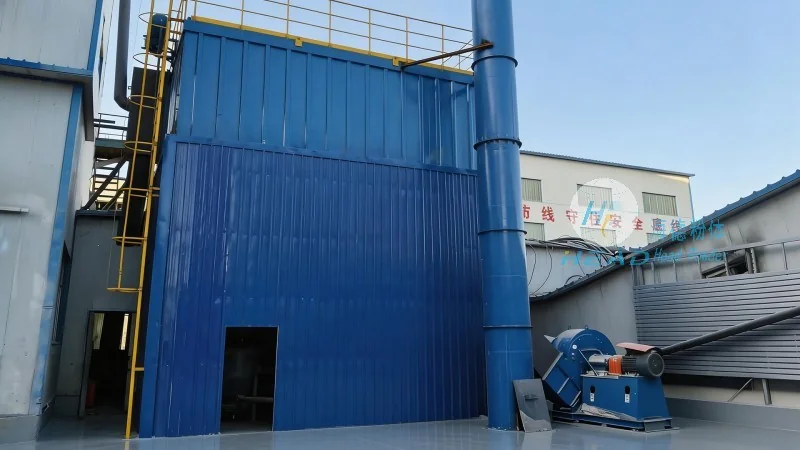
Operational considerations also include the need to control dust and prevent contamination. Polysilicon powder is often handled in enclosed systems with dust collection and filtration to maintain a clean environment and comply with environmental regulations. Proper training of operators on the safe operation of the conveying line is also essential to prevent accidents and ensure consistent performance.
Conclusion
A polysilicon powder conveying line is a sophisticated system designed to meet the demanding requirements of the semiconductor industry. By integrating robust components, advanced control systems, and careful operational practices, these lines ensure the efficient and safe transport of polysilicon powder. The design principles and components discussed in this article highlight the importance of tailored solutions that address the unique properties of polysilicon, ultimately contributing to the overall productivity and reliability of the manufacturing process.