

What is a Titanium Dioxide Powder Pneumatic Conveying System Equipment? What are its Design Principl
Titanium dioxide (TiO₂) is a widely used white pigment and photocatalyst, essential in industries such as coatings, plastics, and paper. The efficient and reliable transport of TiO₂ powder from production sites to processing units is critical for maintaining production efficiency and product quality. This article explores the titanium dioxide powder pneumatic conveying system equipment and its underlying design principles, highlighting the key components and engineering considerations that ensure optimal performance.
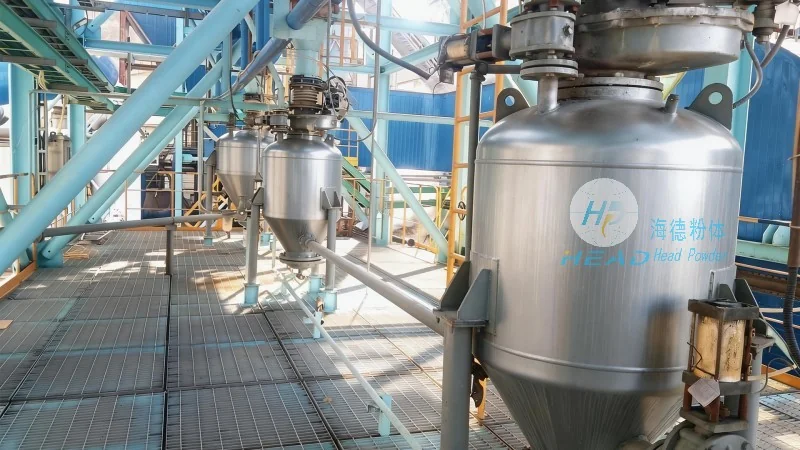
Introduction to Titanium Dioxide Powder Pneumatic Conveying Systems
A pneumatic conveying system is a method of transporting bulk materials, like titanium dioxide powder, using compressed air or other gases as the conveying medium. Unlike traditional mechanical conveying systems (e.g., screw conveyors or belt conveyors), pneumatic systems offer advantages such as flexibility in layout, reduced material contamination, and the ability to handle fine powders without clogging. For TiO₂ powder, which is typically fine and abrasive, a well-designed pneumatic conveying system is essential to prevent material degradation and ensure consistent flow rates.
Key Components of the Pneumatic Conveying System
The titanium dioxide powder pneumatic conveying system typically consists of several core components that work in tandem to achieve efficient material transport. These components include:
1. Feeder: The feeder is responsible for feeding the TiO₂ powder into the conveying line at a controlled rate. For fine powders like TiO₂, a rotary valve or a star feeder is commonly used to ensure a consistent and uniform feed, preventing blockages and maintaining stable flow.
2. Conveying Line: The conveying line is the main pipeline through which the TiO₂ powder and air mixture travels. The design of the line, including its diameter, length, and bends, is critical. The line must be constructed from materials resistant to corrosion and abrasion, as TiO₂ powder can be abrasive and may contain acidic or alkaline components that could degrade metal surfaces over time.
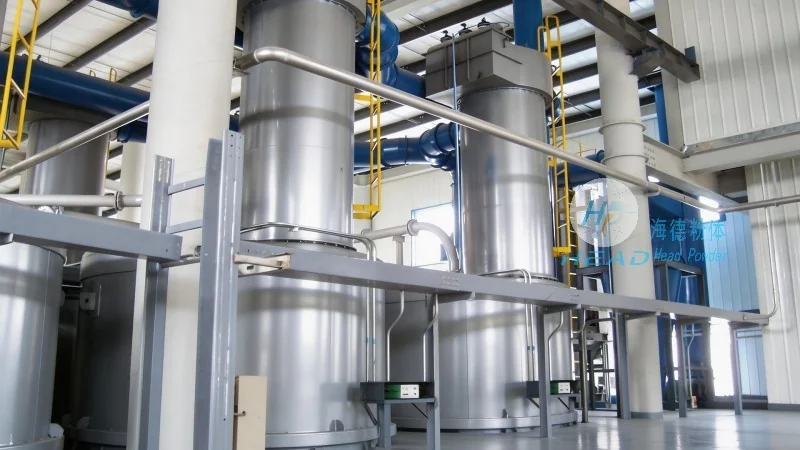
3. Compressor and Air Dryer: The compressor generates the high-pressure air or gas needed to move the powder. The air dryer is essential to remove moisture from the air, as moisture can cause the TiO₂ powder to clump or degrade, leading to system inefficiencies and equipment damage.
4. Separation and Collection System: At the end of the conveying line, the powder is separated from the air using a cyclone separator or a bag filter. The separated powder is then collected in a storage hopper or silo, while the air is either recirculated or vented to the atmosphere.
Design Principles for Optimal Performance
The design of a titanium dioxide powder pneumatic conveying system involves several key principles to ensure efficiency, reliability, and longevity. These principles include:
1. Flow Rate and Velocity: The velocity of the air in the conveying line must be sufficient to lift and transport the TiO₂ powder without causing excessive wear on the system components. Typically, the air velocity is maintained between 20-30 meters per second for fine powders like TiO₂. The flow rate is determined by the required throughput and the system's capacity, and must be optimized to avoid both under-conveying (which leads to clogging) and over-conveying (which increases energy consumption).
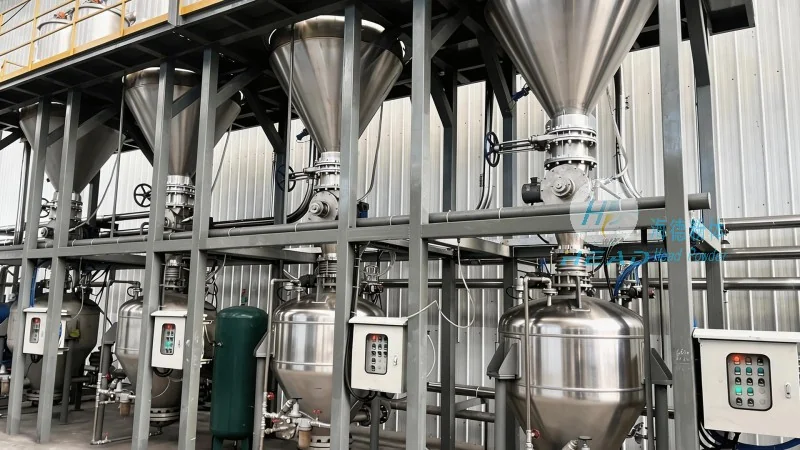
2. System Sizing and Layout: Proper sizing of the feeder, compressor, and conveying line is crucial. The system layout must consider the distance between the feed point and the collection point, as well as any obstacles or changes in elevation. The use of horizontal and vertical sections in the line must be carefully planned to minimize pressure drops and ensure smooth material flow.
3. Material Compatibility: The selection of materials for all components (e.g., stainless steel, polyethylene, or special alloys) is critical. TiO₂ powder can be abrasive and may contain corrosive substances, so components must be resistant to wear and corrosion. For example, the conveying line may be lined with a wear-resistant material, and the feeder may use a non-stick coating to prevent powder buildup.
4. Control and Monitoring: Modern pneumatic conveying systems often include control systems that monitor parameters such as pressure, flow rate, and temperature. These systems allow for real-time adjustments to optimize performance and detect potential issues before they become major problems. For example, a pressure sensor can alert operators if the system is experiencing a blockage or a pressure drop, prompting immediate action to prevent material loss or equipment damage.
Applications and Benefits of the System
Titanium dioxide powder pneumatic conveying systems are widely used in the production and processing of TiO₂, as well as in other industries that handle fine powders. The benefits of using such a system include:
1. Increased Efficiency: Pneumatic conveying systems can transport TiO₂ powder over long distances with minimal energy consumption compared to traditional mechanical systems. This leads to higher production throughput and lower operational costs.
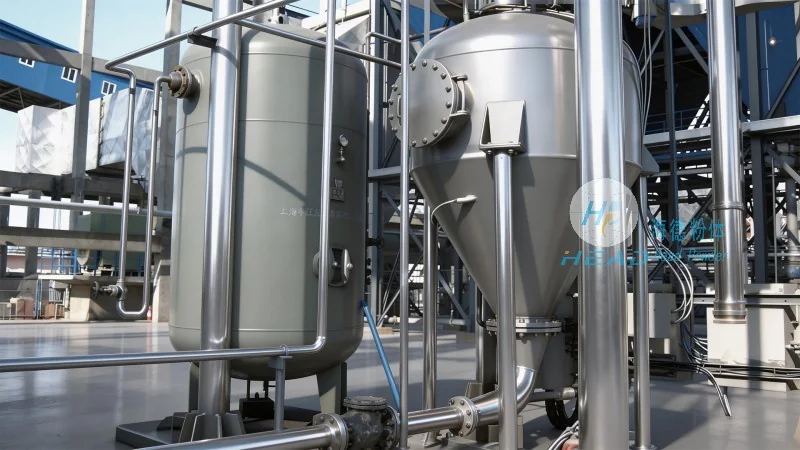
2. Reduced Contamination: Unlike mechanical systems, pneumatic conveying does not involve direct contact between the powder and system components, reducing the risk of contamination from metal particles or other foreign materials.
3. Flexibility: The system can be easily reconfigured or expanded to accommodate changes in production volume or layout, making it a versatile solution for evolving industrial needs.
4. Improved Safety: By eliminating the need for manual handling of TiO₂ powder, the system reduces the risk of dust exposure and other safety hazards associated with fine powders.
Conclusion
The titanium dioxide powder pneumatic conveying system equipment is a critical component in the efficient and safe handling of TiO₂ powder. By understanding the key components and design principles, manufacturers can optimize their systems to achieve high performance, reliability, and cost-effectiveness. As a leading provider of engineering solutions for powder handling, Shandong HeadPowder Engineering Co., Ltd. specializes in designing and manufacturing custom pneumatic conveying systems tailored to the specific needs of TiO₂ production facilities. With a focus on quality, innovation, and customer satisfaction, HeadPowder ensures that its systems meet the highest standards of performance and durability, helping clients achieve their production goals while maintaining safety and efficiency.