

What is a dust collector pneumatic conveying system equipment? What are its design principles?
When it comes to industrial material handling, especially in processes involving dust and fine particles, the dust collector pneumatic conveying system equipment plays a crucial role. This system is designed to efficiently transport collected dust from the dust collector to storage or processing units, ensuring a clean and safe working environment. In this article, we will explore the equipment involved and the underlying design principles that make these systems effective.
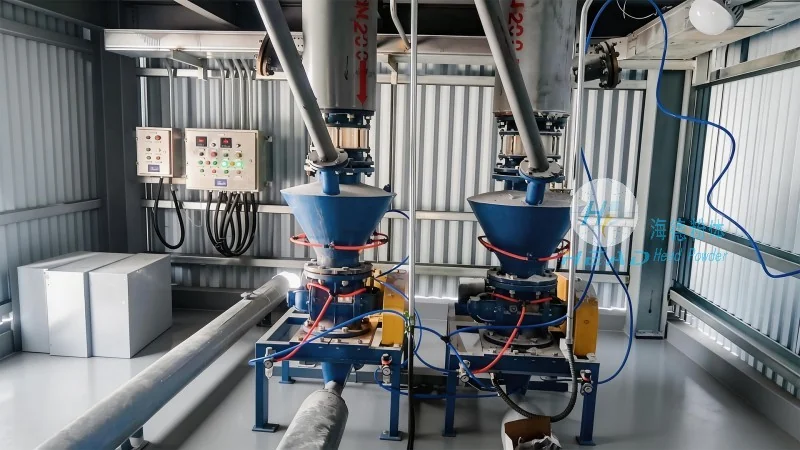
Introduction to Dust Collector Pneumatic Conveying Systems
The dust collector pneumatic conveying system is an integral part of many industrial operations, particularly in sectors such as chemical manufacturing, metal processing, and food processing. Its primary function is to capture airborne particles and then transport them through a network of pipes using air pressure or vacuum. The equipment from Shandong HeadPowder Engineering Co., Ltd., based in China, exemplifies modern solutions in this field, combining efficiency with durability to meet the demands of various industrial applications.
Key Components of the Dust Collector Pneumatic Conveying System
At the core of any pneumatic conveying system are several key components that work in tandem to ensure smooth operation. The main parts include the dust collector itself, which traps the particles, and the conveying line, which transports them. Other essential components are the air compressor or vacuum pump, which provides the necessary pressure or suction to move the material. Control valves and filters are also critical, as they regulate the flow and maintain air quality. The system from HeadPowder integrates these components seamlessly, ensuring reliable and consistent performance across different operational conditions.

Design Principles and Operational Mechanism
The design principles of a dust collector pneumatic conveying system revolve around the fundamental physics of fluid dynamics and particle transport. There are two main types of systems: pressure and vacuum. In a pressure system, the air compressor pushes air through the conveying line, carrying the dust particles along. Conversely, a vacuum system uses a vacuum pump to draw the material into the pipe. The design must consider factors such as particle size, density, and moisture content, as these affect the air velocity required for effective transport. The equipment from Shandong HeadPowder Engineering Co., Ltd. is engineered with these principles in mind, offering customizable solutions that adapt to the specific characteristics of the material being handled.
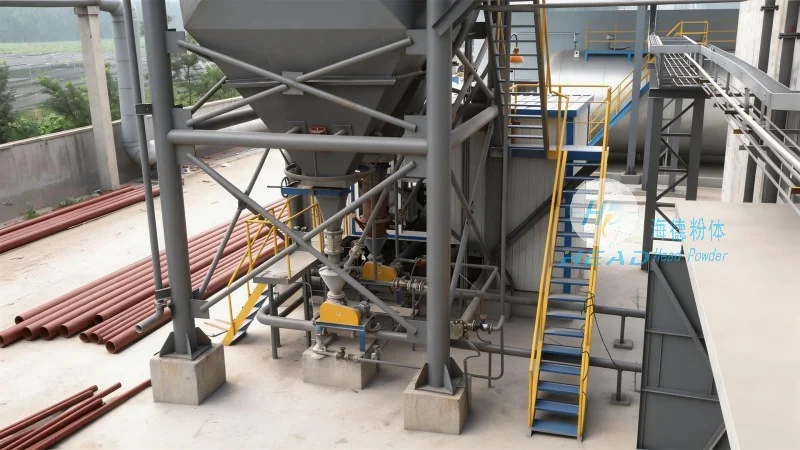
Benefits of Using This System Equipment
Implementing a dust collector pneumatic conveying system offers numerous advantages for industrial facilities. One of the most significant benefits is the reduction of dust exposure for workers, as the system minimizes the need for manual handling of collected dust. This not only improves workplace safety but also complies with environmental regulations regarding dust emissions. Additionally, the system enhances operational efficiency by automating the material transport process, reducing downtime and labor costs. The equipment from HeadPowder is designed to be low-maintenance, with durable components that minimize the need for frequent repairs, further contributing to cost savings over the system's lifespan.

Application Scenarios and Industry Adaptation
The versatility of the dust collector pneumatic conveying system makes it suitable for a wide range of applications. In the chemical industry, it is used to transport powders and granules from reactors and reactors to storage tanks. In metal processing, it handles metal powders and dust from grinding operations. The food processing industry benefits from its ability to transport fine powders without contamination, ensuring product quality and safety. The system from Shandong HeadPowder Engineering Co., Ltd. has been successfully deployed in these and other sectors, demonstrating its adaptability to diverse operational requirements. The company's expertise in engineering allows them to tailor the system to the specific needs of each client, ensuring optimal performance in any application.
Technical Advantages and Customization Options
Modern dust collector pneumatic conveying systems, such as those offered by Shandong HeadPowder Engineering Co., Ltd., come with several technical advantages that set them apart from traditional methods. One key advantage is the ability to handle a wide range of particle sizes and densities, from fine powders to larger granules. The system's design allows for flexible pipe configurations, enabling it to navigate complex layouts within a facility. Additionally, the use of advanced materials and coatings in the equipment components enhances resistance to corrosion and wear, extending the system's service life. HeadPowder provides customization options, allowing clients to choose the appropriate conveying method (pressure or vacuum), pipe diameter, and control system based on their specific operational needs. This flexibility ensures that the system is optimized for maximum efficiency and minimal maintenance.