

What is a Quicklime Pneumatic Conveying System? What is its Design Principle?
Quicklime, also known as calcium oxide, is a widely used industrial material in various sectors such as construction, chemical manufacturing, and environmental treatment. The efficient and safe transportation of quicklime from storage to processing units is crucial for industrial operations. This is where a quicklime pneumatic conveying system comes into play, offering a reliable solution for material handling. In this article, we will explore what a quicklime pneumatic conveying system is and delve into its design principles to understand how it operates effectively.
Understanding the Quicklime Pneumatic Conveying System
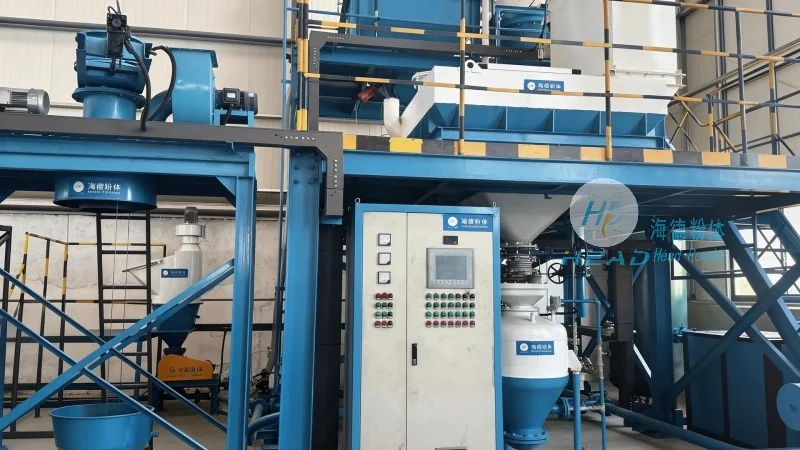
A quicklime pneumatic conveying system is a specialized equipment setup designed to transport quicklime powder or granules through a pipeline using air or gas as the conveying medium. Unlike traditional mechanical conveyors, this system relies on the force of air to move the material, making it particularly suitable for handling fine powders that are prone to dust and clogging in conventional systems. The system typically consists of several key components, including a hopper for material storage, a feeder to control the flow rate, a conveying pipeline, and a receiver for the material at the destination. Each component plays a vital role in ensuring the smooth and efficient operation of the system.
Design Principles of the Quicklime Pneumatic Conveying System
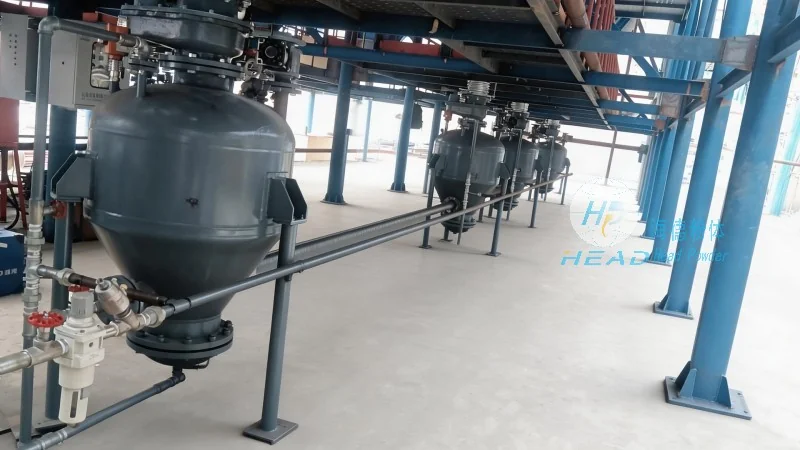
The design of a quicklime pneumatic conveying system is based on several fundamental principles to ensure optimal performance, safety, and efficiency. The first principle is the selection of the appropriate conveying medium, which is usually air under pressure. The pressure and flow rate of the air are carefully calculated to match the material's properties, such as particle size, density, and moisture content. This ensures that the material is conveyed without excessive pressure drops or particle degradation. The second principle is the proper sizing of the conveying pipeline. The diameter and length of the pipeline are determined based on the material's flow characteristics and the required conveying distance. Proper sizing prevents blockages and maintains a consistent flow rate. The third principle is the use of appropriate feeding mechanisms. The feeder, often a rotary valve or a screw feeder, is designed to provide a uniform and controlled flow of quicklime into the pipeline. This prevents surges or fluctuations that could affect the conveying process. Additionally, the system incorporates safety features such as dust collection and explosion-proof designs to handle the reactive nature of quicklime and prevent accidents.
Key Components and Their Functions
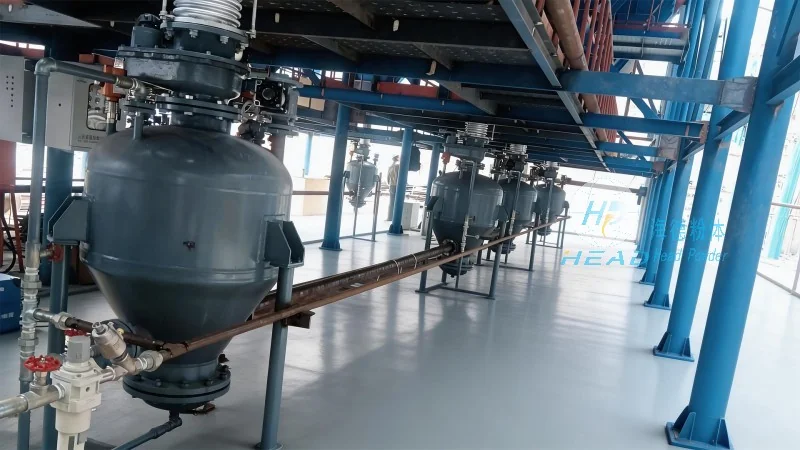
Each component of the quicklime pneumatic conveying system is engineered to work in harmony to achieve efficient material transport. The hopper, usually made of stainless steel or other corrosion-resistant materials, stores the quicklime and provides a consistent feed to the feeder. The feeder, typically a rotary airlock or a screw feeder, controls the material flow rate and prevents backflow into the hopper. The conveying pipeline, often made of PVC or metal, is designed to withstand the pressure and temperature of the conveying process. The pipeline may include bends, elbows, and straight sections, each designed to minimize pressure losses and maintain the material's velocity. The receiver, located at the destination, collects the quicklime and allows for easy discharge. The system may also include a dust collector to capture any airborne particles and a filter to ensure clean air release. These components work together to create a seamless and efficient conveying process.
Advantages of Using a Quicklime Pneumatic Conveying System
Implementing a quicklime pneumatic conveying system offers several advantages over traditional material handling methods. Firstly, it provides a dust-free and clean operation, reducing the risk of dust exposure and improving workplace safety. The enclosed system prevents the release of fine particles into the environment, making it environmentally friendly. Secondly, it offers high efficiency in material transport, with the ability to cover long distances and handle large volumes of quicklime. The system can operate continuously, reducing downtime and increasing productivity. Thirdly, it is flexible and can be easily integrated into existing industrial setups. The system can be customized to meet specific requirements, such as varying conveying distances or material flow rates. Additionally, the system is low maintenance, with fewer moving parts compared to mechanical conveyors, reducing operational costs and downtime.
Application Scenarios
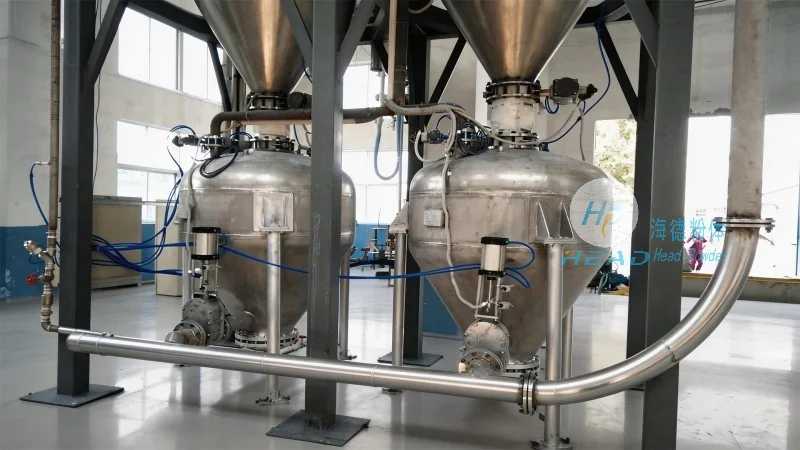
The quicklime pneumatic conveying system is widely used in various industrial applications where quicklime is a key material. In the construction industry, it is used to produce cement and other building materials. In the chemical industry, it is used in the production of calcium-based chemicals and as a neutralizing agent. In the environmental sector, it is used for flue gas desulfurization and wastewater treatment. The system's ability to handle fine powders and transport them over long distances makes it ideal for these applications. For example, in a cement plant, the quicklime is transported from the storage silo to the grinding mill using a pneumatic conveying system, ensuring a consistent supply of raw material. In a chemical plant, the system is used to transport quicklime to the reaction vessels, maintaining the required flow rate and preventing material degradation.