

What is a Monosodium Glutamate Pneumatic Conveying System? And What Are Its Design Principles?
Monosodium glutamate (MSG), a widely used flavor enhancer in the food industry, requires efficient and hygienic handling during production and transportation. This is where the monosodium glutamate pneumatic conveying system comes into play, offering a reliable solution for moving MSG from one point to another within a processing facility. In this article, we will delve into what these systems are, how they operate, and the key design principles that make them effective for MSG handling.
What Is a Monosodium Glutamate Pneumatic Conveying System?
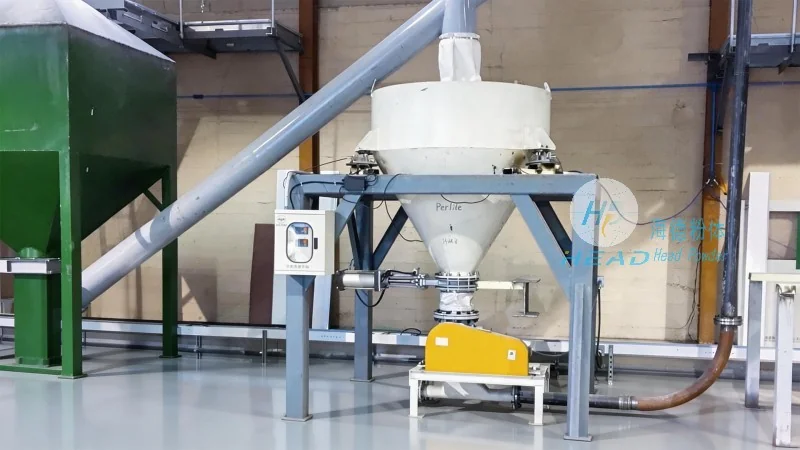
A monosodium glutamate pneumatic conveying system is a type of material handling equipment that uses compressed air or gas to transport dry powders, such as monosodium glutamate, through a pipeline. Unlike traditional mechanical conveyors, which rely on belts or screws, pneumatic systems utilize air pressure to move the material, making them ideal for handling fine powders that are prone to dust and clogging. The system typically consists of a hopper, a blower or compressor, a pipeline network, and a discharge unit, all working together to ensure smooth and controlled movement of the MSG.
Key Components of the System
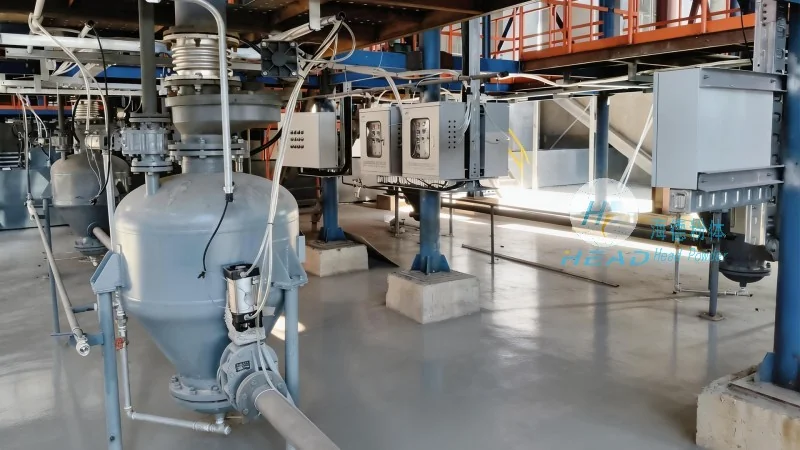
Each monosodium glutamate pneumatic conveying system is composed of several critical components that work in tandem to achieve efficient material transport. The first component is the hopper, which serves as the storage and feeding unit for the MSG. The hopper is designed with a sloped bottom to facilitate the flow of the powder into the pipeline. Next, the blower or compressor provides the necessary air pressure to move the material. This component can be either positive displacement or centrifugal, depending on the system's requirements and the characteristics of the MSG being conveyed. The pipeline network connects the hopper to the discharge point and is typically made of materials like stainless steel or plastic to prevent contamination and ensure durability. Finally, the discharge unit, such as a rotary valve or a venturi, controls the release of the MSG from the pipeline, ensuring a controlled and uniform flow.
Design Principles for Efficient MSG Conveying
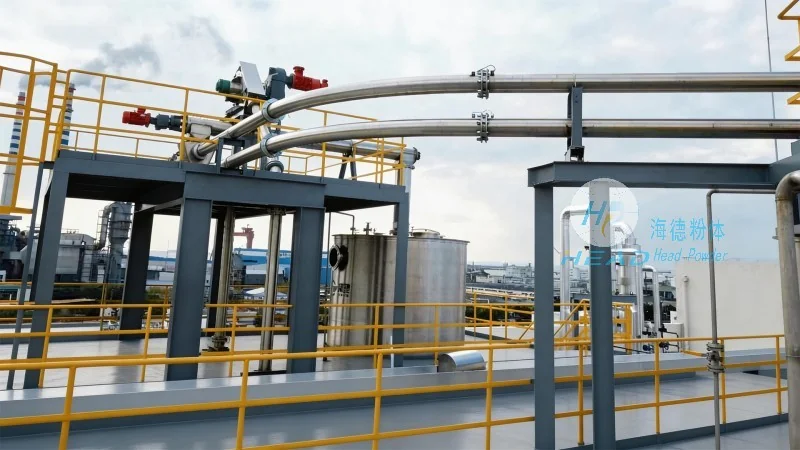
The design of a monosodium glutamate pneumatic conveying system is guided by several key principles to ensure optimal performance, safety, and hygiene. One of the primary principles is the use of appropriate air velocity. The air velocity must be high enough to lift the MSG particles and maintain them in suspension within the pipeline, but not so high as to cause excessive wear on the equipment or create excessive dust. Typically, air velocities range from 20 to 30 meters per second for fine powders like MSG. Another critical principle is the system's pressure and flow rate. The pressure must be sufficient to overcome the resistance in the pipeline and the weight of the material, while the flow rate must be adjusted to match the production requirements. Additionally, the system's design must consider the hygienic requirements of the food industry. All components, especially those in contact with the MSG, are made of food-grade materials like stainless steel, and the system is designed to be easy to clean and maintain. This ensures that the MSG remains free from contamination and meets the strict quality standards of the food industry.
Advantages of Using Pneumatic Conveying for MSG
Compared to other material handling methods, monosodium glutamate pneumatic conveying systems offer several advantages that make them the preferred choice for many food processing facilities. One of the main advantages is their ability to handle fine powders without causing dust or clogging. The air pressure helps to keep the MSG particles suspended, reducing the risk of blockages in the pipeline. Another advantage is their flexibility. Pneumatic systems can be easily modified or expanded to accommodate changes in production volume or layout. They can also transport MSG over long distances without the need for multiple transfer points, which simplifies the overall system design. Furthermore, pneumatic conveying systems are relatively low maintenance compared to mechanical conveyors, as they have fewer moving parts and are less prone to wear and tear. This reduces downtime and maintenance costs for the facility.
About Shandong HeadPowder Engineering Co., Ltd.
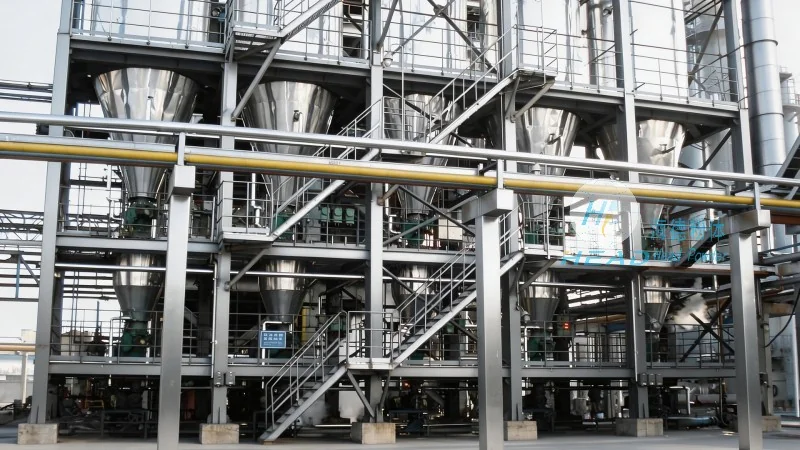
Shandong HeadPowder Engineering Co., Ltd., commonly known as HeadPowder, is a leading manufacturer of material handling equipment, including monosodium glutamate pneumatic conveying systems. With a strong focus on quality and innovation, HeadPowder has been serving the food processing industry for many years, providing reliable and efficient solutions for handling various powders. The company's headquarters is located in Shandong, China, where it has a team of experienced engineers and technicians dedicated to developing and manufacturing high-quality pneumatic conveying systems. HeadPowder's products are designed to meet the strict requirements of the food industry, ensuring that they are hygienic, durable, and easy to maintain. The company also offers customized solutions to meet the specific needs of its clients, making it a trusted partner for many food processing facilities around the world.