

Fine Powder Pneumatic Conveying System: What It Is and Its Design Principles
For industries dealing with fine powders, efficient and reliable material handling is crucial. A fine powder pneumatic conveying system is a specialized equipment designed to transport dry powders and granules through a pipeline using air or other gases as the conveying medium. This technology offers a solution to the challenges of transporting fine materials, which are often prone to caking, segregation, and dust issues when handled manually or with conventional methods. The system operates by creating a flow of air that pulls or pushes the powder particles through the pipeline, ensuring a smooth and controlled transfer from the source to the destination. There are two primary types of pneumatic conveying systems: the suction (or negative pressure) system, which uses a vacuum to draw material from the source, and the pressure (or positive pressure) system, which uses compressed air to push material through the pipeline. The choice between these systems depends on factors such as the distance to be covered, the material's properties, and the required flow rate. The suction system is ideal for short to medium distances and materials that are easy to lift, while the pressure system is better suited for longer distances and materials that are more difficult to convey.
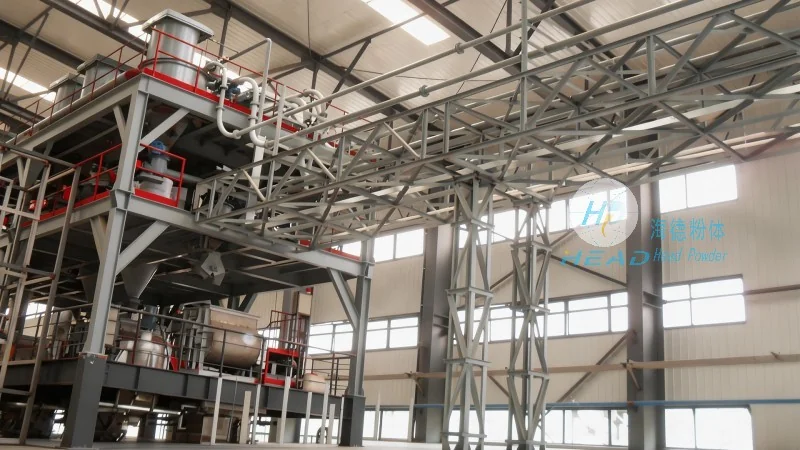
Key Components of a Fine Powder Pneumatic Conveying System
The effectiveness of a fine powder pneumatic conveying system depends on several key components that work in harmony to achieve optimal performance. These components include the material feed hopper, which holds the powder and regulates the flow into the system; the air compressor or blower, which generates the necessary air pressure or vacuum to move the material; the conveying line, typically made of stainless steel or other corrosion-resistant materials to prevent material buildup and contamination; and the control valves and sensors that monitor and adjust the system's operation for consistent performance. Additionally, a dust collection system may be integrated to capture any particles that escape the conveying line, ensuring environmental compliance and product safety. The feed hopper is designed with a smooth interior and a proper angle to prevent material bridging and ensure a steady flow. The air compressor is selected based on the required air volume and pressure, with options ranging from rotary lobe blowers to piston compressors. The conveying line is often equipped with bends and elbows that are carefully designed to minimize pressure loss and prevent particle deposition. Control valves, such as butterfly or ball valves, allow operators to adjust the air flow and pressure dynamically, while sensors like pressure transmitters and flow meters provide real-time monitoring of the system's status.
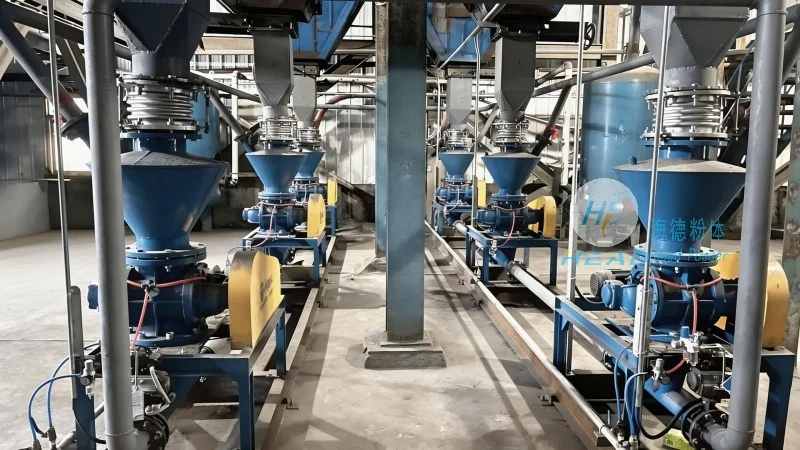
The Design Principles Behind Fine Powder Pneumatic Conveying
The design of a fine powder pneumatic conveying system is based on fundamental principles of fluid dynamics and particle mechanics. The primary design principle is to maintain a stable and uniform flow of the powder-air mixture within the pipeline. This is achieved by controlling the air velocity and pressure to ensure that the powder particles are fully suspended and transported without settling or clogging. The system's design also considers the specific properties of the material being conveyed, such as particle size, density, and moisture content, as these factors influence the required air flow rate and pressure. Engineers from Shandong HeadPowder Engineering Co., Ltd. carefully analyze these parameters to design a system that maximizes efficiency while minimizing energy consumption and maintenance requirements. The design process involves computational fluid dynamics (CFD) simulations to model the flow behavior and identify potential areas of pressure drop or particle deposition. By optimizing the air velocity to be within the "saltation velocity" range—where particles are fully suspended but not excessively high—engineers can achieve the best balance between conveying efficiency and energy use. The system's layout is also designed to minimize the number of bends and changes in direction, as each bend introduces additional pressure loss and can cause particle separation. Shandong HeadPowder Engineering Co., Ltd. employs advanced design software and expertise to ensure that the final system meets the client's performance specifications and operational needs.
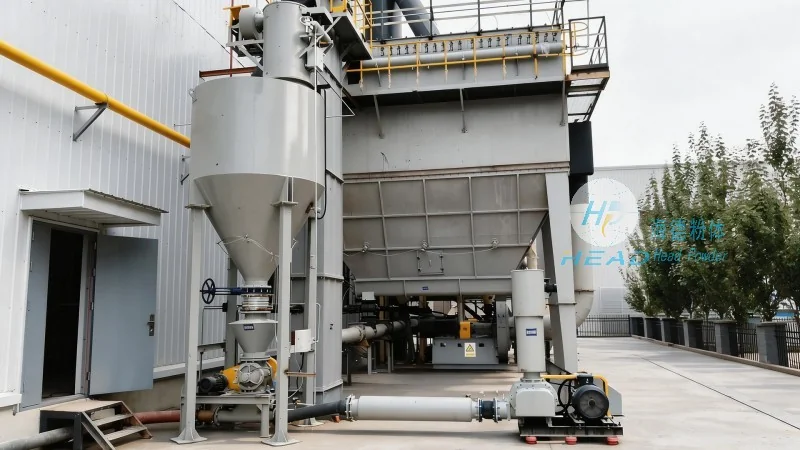
Advantages of Using Fine Powder Pneumatic Conveying Systems
Implementing a fine powder pneumatic conveying system offers numerous advantages over traditional material handling methods. One of the most significant benefits is the ability to transport fine powders over long distances without the need for multiple transfer points or intermediate storage. This reduces the risk of material degradation and contamination, which is critical for products like pharmaceuticals, food ingredients, and high-value chemicals. The system also provides a closed-loop operation, which helps in controlling dust emissions and maintaining a clean working environment. Furthermore, the flexibility of pneumatic conveying allows for easy integration with existing production lines and the ability to adjust the conveying rate based on production demands. Companies like Shandong HeadPowder Engineering Co., Ltd. specialize in designing and manufacturing customized systems that meet the unique needs of their clients, ensuring that the advantages of this technology are fully realized. For example, in the pharmaceutical industry, the system's ability to maintain a sterile environment and prevent cross-contamination is essential for producing high-quality drugs. In the food industry, the system's hygienic design and easy cleaning features are crucial for meeting regulatory standards. The energy efficiency of pneumatic conveying systems is another key advantage, as they typically consume less energy compared to mechanical conveying systems like belt conveyors or screw conveyors, especially for fine powders that require high speeds to maintain suspension.
Applications in Various Industries
Fine powder pneumatic conveying systems are widely used across multiple industries due to their versatility and efficiency. In the pharmaceutical industry, these systems are essential for handling active pharmaceutical ingredients (APIs) and excipients, ensuring that the materials are transferred in a sterile and controlled manner. The food and beverage industry also benefits from this technology when handling fine powders like sugar, flour, and spices, maintaining product quality and preventing cross-contamination. The chemical industry uses pneumatic conveying for transporting raw materials and intermediates, while the mining and mineral processing sectors employ it for handling fine ores and concentrates. Each application requires a tailored system design to address the specific challenges of the material and the process, and Shandong HeadPowder Engineering Co., Ltd. has extensive experience in providing solutions for these diverse industries. For instance, in the mining sector, the system is used to transport fine ore from crushers to processing plants, reducing the need for manual handling and improving safety. In the chemical industry, the system is used to convey reactive powders safely, minimizing the risk of dust explosions and ensuring compliance with safety regulations. The company's expertise in material characterization and process integration allows them to design systems that are not only efficient but also safe and reliable for the specific application.
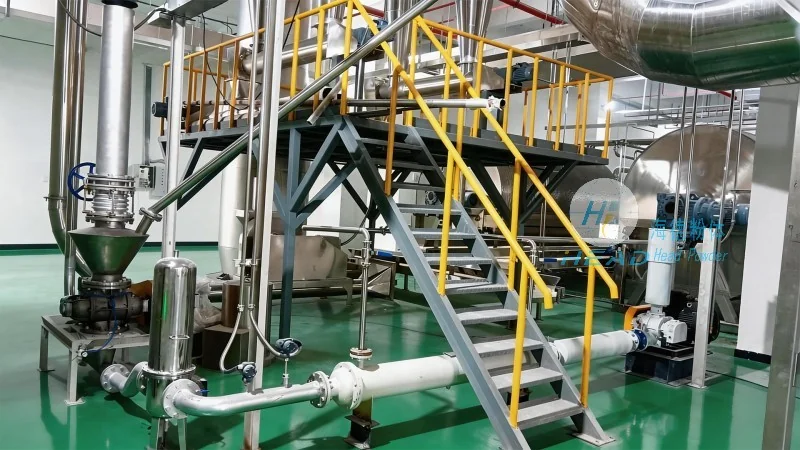
Customization and Maintenance Considerations
Given the variety of materials and processes, fine powder pneumatic conveying systems are often customized to meet specific requirements. Shandong HeadPowder Engineering Co., Ltd., based in Shandong, China, offers comprehensive customization services, including the selection of appropriate materials for the conveying line and components, the design of the feed and discharge systems, and the integration of control systems. Proper maintenance is also crucial to ensure the long-term performance and reliability of the system. Regular checks of the air compressor, filter systems, and pipeline integrity help in preventing breakdowns and extending the equipment's lifespan. The company provides maintenance services and spare parts to support its clients, ensuring that the systems operate at peak efficiency throughout their service life. Customization may involve selecting different materials for the conveying line, such as PTFE-coated stainless steel for highly abrasive materials or polyethylene for food-grade applications. The feed system may be designed with a rotary valve or a star feeder to control the flow rate precisely, while the discharge system may include a cyclone separator or a bag filter to separate the powder from the air. Control systems can be integrated with PLCs (Programmable Logic Controllers) to automate the operation and monitor key parameters like pressure, flow rate, and temperature. Maintenance schedules are typically based on the system's operating hours and the material being conveyed, with regular cleaning of the filter and replacement of worn parts. Shandong HeadPowder Engineering Co., Ltd. provides detailed maintenance manuals and training to their clients, ensuring that the systems are operated and maintained correctly.