

What is a Latex Powder Pneumatic Conveying System? What is its Design Principle?
Latex powder pneumatic conveying systems are specialized equipment used to transport latex powder through a pipeline using air or gas as the conveying medium. These systems are essential in various industrial applications, particularly where handling fine powders like latex requires efficient, dust-free, and controlled transportation. Understanding the components, operation, and design principles of such systems is crucial for optimizing performance and ensuring safety in material handling processes.
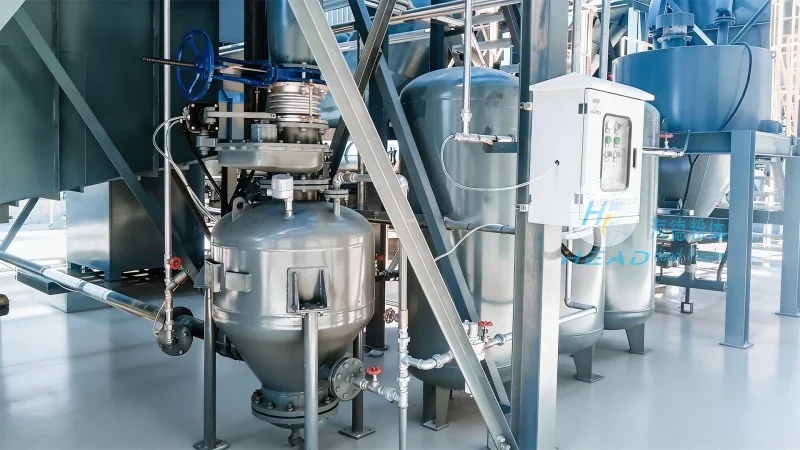
Key Components of a Latex Powder Pneumatic Conveying System
The core components of a latex powder pneumatic conveying system typically include a hopper for material storage, a feeder to control the flow rate, a conveying line (usually made of metal or plastic), a blower or compressor to generate the air flow, and a receiver for the discharged material. Each component plays a vital role in the overall functionality of the system. The hopper ensures a consistent supply of latex powder, while the feeder regulates the amount of material entering the conveying line, preventing overloading or underflow. The blower or compressor provides the necessary pressure and flow rate to move the powder through the pipeline. The conveying line, often equipped with bends and fittings, must be designed to minimize pressure drop and maintain the flow of the powder-air mixture. Finally, the receiver collects the discharged latex powder, completing the material transport cycle.
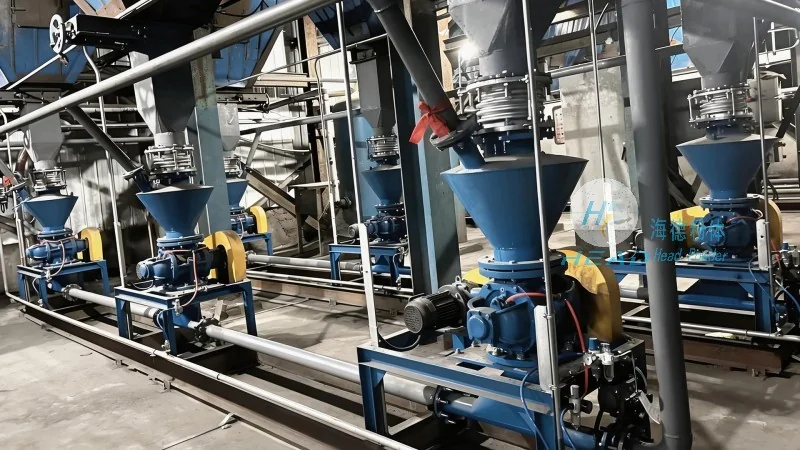
Design Principles for Efficient Latex Powder Conveying
The design of a latex powder pneumatic conveying system is based on several key principles to ensure optimal performance. One of the primary principles is the selection of the appropriate conveying method, which can be categorized as dilute phase or dense phase. Dilute phase systems use high air velocities to transport the powder in a dispersed state, while dense phase systems use lower velocities and higher pressure to move the powder in a more concentrated form. For latex powder, which is often fine and can be prone to caking or agglomeration, a dilute phase system is commonly preferred as it reduces the risk of blockages and ensures better flow characteristics. Another critical design principle is the calculation of the air flow rate and pressure drop. Engineers must accurately determine the required air volume and pressure to overcome the resistance in the pipeline and lift the powder. This involves considering factors such as the powder's bulk density, particle size, and moisture content, as well as the system's length and configuration. Proper design also includes the use of appropriate materials for the conveying line and components to prevent corrosion or degradation from the latex powder, which may contain chemicals or be sensitive to environmental conditions. Additionally, the system must be equipped with safety features, such as pressure relief valves and dust collection systems, to mitigate the risks associated with handling fine powders and high-pressure air.
Applications and Benefits of Latex Powder Pneumatic Conveying Systems
Latex powder pneumatic conveying systems are widely used in industries that handle latex powder, including the rubber industry, where latex is used to produce various products like tires, gloves, and adhesives. These systems are also employed in the chemical and pharmaceutical sectors, where latex-based materials are processed for manufacturing. The primary benefits of using such systems include improved efficiency in material handling, reduced labor costs, and enhanced safety compared to traditional methods like manual handling or mechanical conveyors. By eliminating the need for manual handling, the systems minimize the risk of dust exposure and occupational hazards, which is particularly important for latex powder due to its potential health effects. Additionally, pneumatic conveying systems offer flexibility in terms of layout and integration with other production processes, allowing for seamless material transport from storage to processing units. The ability to transport latex powder over long distances without the need for intermediate storage or transfer points further enhances operational efficiency. Furthermore, these systems can be designed to handle varying powder characteristics, such as different particle sizes or moisture levels, making them versatile for diverse industrial applications.
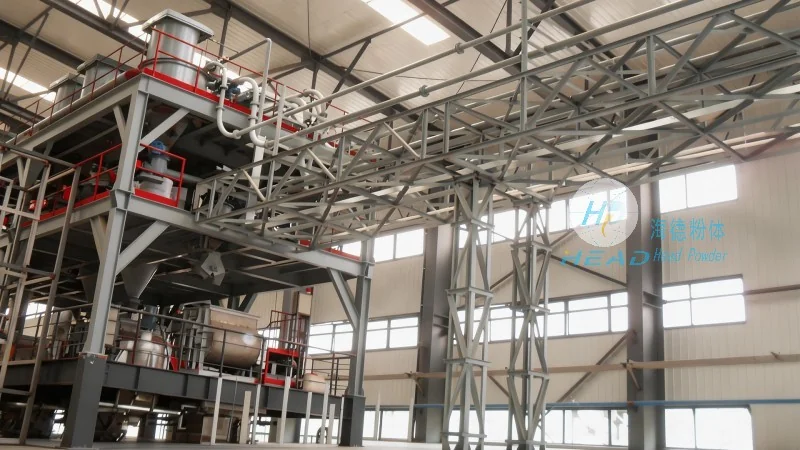
Company Overview: Shandong HeadPowder Engineering Co., Ltd.
Shandong HeadPowder Engineering Co., Ltd., commonly known as headpowder, is a leading manufacturer and supplier of pneumatic conveying systems and related equipment. With a strong presence in China, the company specializes in designing and producing customized solutions for various powder handling applications, including latex powder. The company's expertise lies in understanding the unique properties of different powders and tailoring the system design to meet specific customer requirements. By leveraging advanced engineering techniques and quality materials, headpowder ensures that its pneumatic conveying systems are reliable, efficient, and durable. The company's commitment to innovation and customer satisfaction has made it a trusted partner for industries relying on efficient material handling solutions. With a focus on research and development, headpowder continuously improves its products to address the evolving needs of the market, providing cutting-edge solutions that enhance operational performance and reduce costs for its clients.