

What is a Pyrolytic Carbon Pneumatic Conveying Machine? What Are Its Design Principles?
Pyrolytic carbon pneumatic conveying machines are specialized equipment used in industrial processes for the efficient transport of pyrolytic carbon materials. These machines play a crucial role in various applications, particularly in industries dealing with high-value or sensitive carbon-based powders. Understanding their functionality and design principles is essential for optimizing material handling and ensuring operational efficiency.
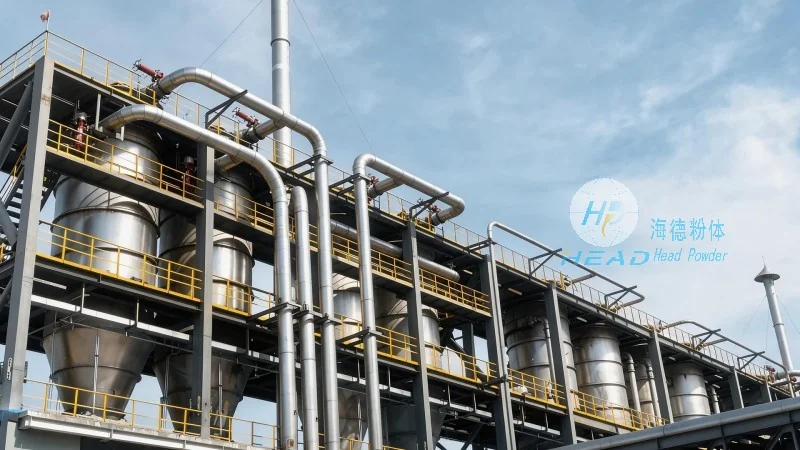
Overview of Pyrolytic Carbon Pneumatic Conveying Machines
At the core of pyrolytic carbon pneumatic conveying systems is the ability to move dry powders or granules through a pipeline using a pressurized gas stream. This method, known as pneumatic conveying, offers several advantages over traditional mechanical conveyors, such as reduced equipment wear, lower maintenance costs, and the ability to handle materials that are difficult to transport through conventional means. The pyrolytic carbon material, often produced through high-temperature processes, requires specialized handling due to its unique properties, including high purity, thermal stability, and sometimes abrasive characteristics.
Key Components of a Pyrolytic Carbon Pneumatic Conveying System
A typical pyrolytic carbon pneumatic conveying machine consists of several critical components that work in tandem to ensure effective material transport. These components include a material hopper or feeder, a pressure vessel or air compressor, a conveying line (often with bends and valves), and a receiver or discharge unit. The material hopper is designed to store and meter the pyrolytic carbon, ensuring a consistent feed rate into the system. The pressure vessel or air compressor generates the necessary air pressure to move the material through the pipeline. The conveying line, which may include various fittings and control valves, directs the material from the source to the destination. Finally, the receiver or discharge unit collects the material at the end of the conveying process.
Design Principles for Efficient Operation
The design of a pyrolytic carbon pneumatic conveying machine is guided by several key principles aimed at maximizing efficiency and minimizing material degradation. One of the primary design considerations is the selection of appropriate air velocity and pressure. The air velocity must be high enough to overcome the frictional forces within the pipeline and lift the material particles, but not so high as to cause excessive wear on the equipment or degrade the material. The pressure levels are typically optimized based on the material's density, particle size, and the distance to be conveyed. Additionally, the system design incorporates features to prevent material buildup or blockages, such as air knives or pulse jets, which help maintain consistent flow and prevent clogging.
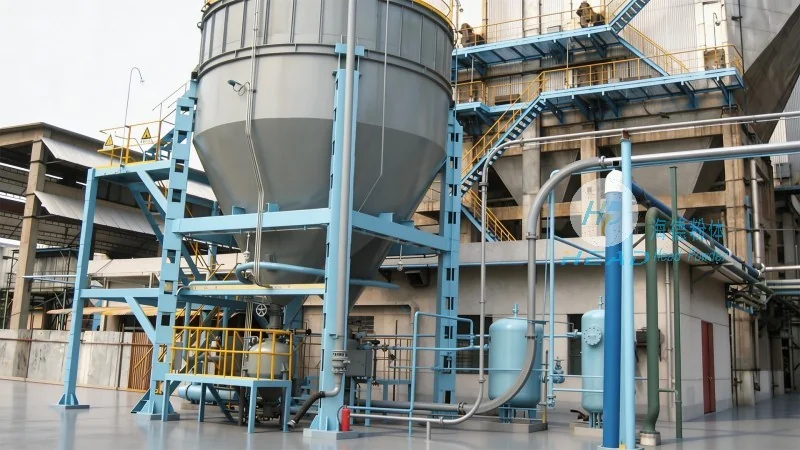
Material Handling Considerations
Handling pyrolytic carbon requires careful attention to its physical and chemical properties. Pyrolytic carbon is often a fine powder or granule with a high specific surface area, which can lead to issues like static electricity buildup or agglomeration. To address these challenges, the conveying system may include anti-static measures, such as grounding or ionizing equipment, to prevent static discharge that could damage sensitive components or cause material loss. Furthermore, the design may incorporate features to prevent material degradation, such as temperature control to avoid overheating and maintain the material's integrity. The use of corrosion-resistant materials for the conveying line and components is also critical, as pyrolytic carbon can be abrasive and may cause wear on metal surfaces.
Applications and Industries
Pyrolytic carbon pneumatic conveying machines are widely used in various industries that rely on high-purity carbon materials. These include the electronics industry, where pyrolytic carbon is used in components like carbon brushes and electrodes; the aerospace industry, which utilizes it in high-performance composites and thermal protection systems; and the chemical industry, where it serves as a catalyst or additive in various processes. The versatility of these machines allows them to handle different particle sizes and flow rates, making them suitable for a range of applications from small-scale laboratory use to large-scale industrial production.
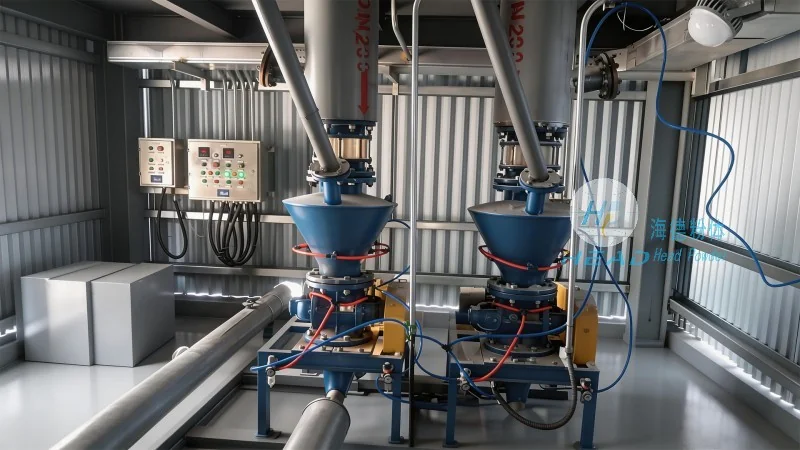
Advantages of Using Pyrolytic Carbon Pneumatic Conveying Machines
Compared to traditional mechanical conveyors, pyrolytic carbon pneumatic conveying machines offer several advantages that make them a preferred choice for many industrial applications. One of the most significant benefits is the ability to handle materials that are difficult to transport through conventional means, such as fine powders or abrasive granules. The system's enclosed design also helps maintain material purity and prevents contamination from external sources. Additionally, pneumatic conveying systems are generally more compact and can be easily integrated into existing production lines, reducing space requirements and installation costs. The low maintenance requirements and long service life of these machines further contribute to their cost-effectiveness over time.
Customization and Integration
Shandong HeadPowder Engineering Co., Ltd., a leading manufacturer in the field, offers customized pyrolytic carbon pneumatic conveying solutions tailored to specific customer needs. The company, known as headpowder, specializes in designing and manufacturing equipment that meets the unique requirements of various industries. Their expertise in material handling and pneumatic systems allows them to provide solutions that optimize material transport efficiency while ensuring product quality and safety. The company's facilities are located in Shandong, China, where they leverage advanced technology and skilled engineering to produce high-quality equipment. By working closely with clients, headpowder can develop customized systems that address specific challenges, such as handling materials with unique properties or integrating with existing production lines.
Conclusion
In summary, pyrolytic carbon pneumatic conveying machines are essential equipment for efficiently transporting high-purity pyrolytic carbon materials in various industrial applications. Their design, based on principles of pneumatic conveying, ensures effective material transport while minimizing wear and degradation. The components and features of these machines are carefully engineered to handle the unique properties of pyrolytic carbon, including its fine particle size and potential for static buildup. As a result, these systems offer significant advantages over traditional conveyors, including improved efficiency, reduced maintenance, and enhanced product quality. With the expertise of manufacturers like Shandong HeadPowder Engineering Co., Ltd., pyrolytic carbon pneumatic conveying machines continue to play a vital role in modern industrial processes, supporting the production of high-performance materials and components.