

What is a Crystal Particle Pneumatic Conveying Machine? What are its Design Principles?
Pneumatic conveying systems are widely used in various industrial applications to transport bulk materials, including powders and granules. Among these, crystal particle pneumatic conveying machines have gained significant attention due to their efficiency and adaptability in handling delicate and high-value materials. This article aims to provide a comprehensive overview of what these machines are and delve into the core design principles that make them effective for material handling tasks.
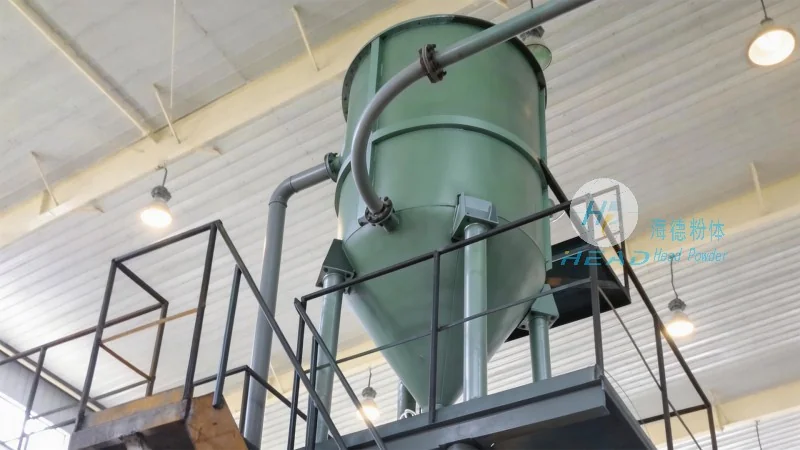
Understanding Crystal Particle Pneumatic Conveying Machines
A crystal particle pneumatic conveying machine is a specialized equipment designed to transport fine or crystalline particles through a pipeline using a stream of air or other gases. Unlike traditional mechanical conveyors, this system relies on the principles of fluid dynamics to move materials without direct contact, which is particularly advantageous for fragile or sensitive materials like pharmaceuticals, food products, or chemical powders. The machine typically consists of a hopper for material storage, a conveying line, and a receiver for the discharged material, all integrated with a control system to regulate the flow and pressure.
Key Design Principles of Crystal Particle Pneumatic Conveying Machines
The effectiveness of a crystal particle pneumatic conveying machine is largely determined by its design principles, which are tailored to optimize material transport while minimizing degradation or loss. Several critical design aspects are considered, including:
1. Material Compatibility and Flow Characteristics: The design must account for the physical properties of the crystal particles, such as particle size, density, and moisture content. This ensures that the conveying system can handle the specific material without clogging or causing excessive wear. For instance, fine particles may require a higher air velocity to maintain suspension, while larger or denser particles might need a different pressure setup.
2. Pressure and Velocity Control: Maintaining the right balance of pressure and air velocity is crucial. The system uses either positive or negative pressure to move the material. Positive pressure systems push the material through the line using compressed air, while negative pressure systems create a vacuum to draw the material in. The velocity of the air stream must be sufficient to keep the particles in suspension but not so high as to cause erosion or damage to the particles or the pipeline.
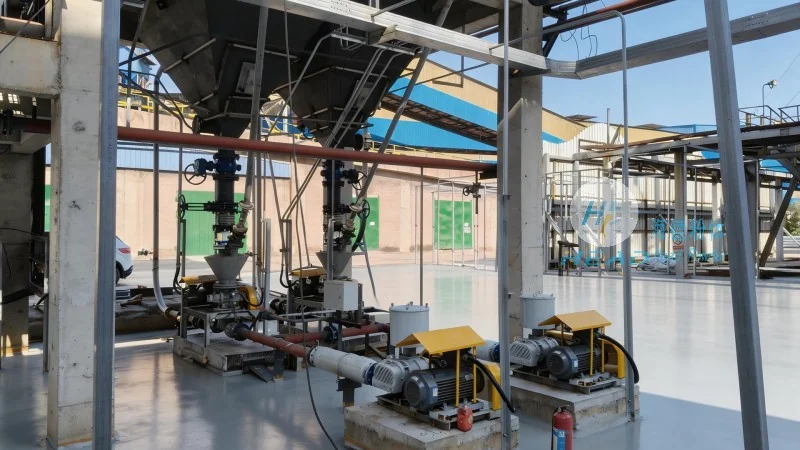
3. Pipeline Design and Layout: The layout of the conveying pipeline is carefully planned to minimize bends and changes in direction, as sharp turns can cause particle separation or blockages. The diameter of the pipeline is also optimized to match the particle size and flow rate, ensuring smooth and continuous transport. Additionally, the use of smooth, non-corrosive materials for the pipeline, such as stainless steel or PTFE, is essential to prevent material buildup and maintain hygiene, especially in food or pharmaceutical applications.
4. Control and Monitoring Systems: Modern crystal particle pneumatic conveying machines are equipped with advanced control systems that monitor parameters like pressure, flow rate, and temperature in real-time. These systems allow for immediate adjustments to maintain optimal performance and prevent issues such as overloading or system failure. Sensors and alarms are integrated to provide feedback and ensure the safety and efficiency of the operation.
Applications and Benefits of Crystal Particle Pneumatic Conveying Machines
Crystal particle pneumatic conveying machines are employed in a wide range of industries, including pharmaceuticals, food processing, chemicals, and minerals processing. Their benefits include:
- Efficient Material Transport: The system can transport materials over long distances with minimal energy consumption compared to traditional methods like belt conveyors.
- Reduced Product Degradation: The lack of mechanical contact and gentle handling of particles help preserve the quality and integrity of the material, which is critical for sensitive products.
- Hygienic and Clean Operation: The enclosed system prevents contamination and dust emissions, making it suitable for food and pharmaceutical industries where cleanliness is paramount.
- Space Efficiency: The compact design of the machine allows for installation in limited spaces, making it ideal for facilities with space constraints.
Conclusion
Crystal particle pneumatic conveying machines represent a sophisticated solution for the efficient and gentle transport of delicate materials. By adhering to key design principles such as material compatibility, pressure control, and system monitoring, these machines ensure reliable performance and minimal product loss. As industries continue to demand higher standards of efficiency and product quality, the role of such advanced conveying systems becomes increasingly vital. For businesses seeking to optimize their material handling processes, understanding the design and functionality of these machines is essential for making informed decisions.