

What is a Carbon Fiber Pneumatic Conveying System? And What Are Its Design Principles?
Carbon fiber pneumatic conveying systems represent a sophisticated technology in material handling, particularly for industries that require efficient, low-maintenance, and high-performance solutions for transporting powders and granules. These systems utilize compressed air to move materials through a pipeline network, offering advantages such as minimal product contamination, reduced downtime, and the ability to handle a wide range of materials, from fine powders to bulk solids. The core of this technology lies in the integration of specialized components designed to optimize the flow of material and air, ensuring reliable and consistent operation.
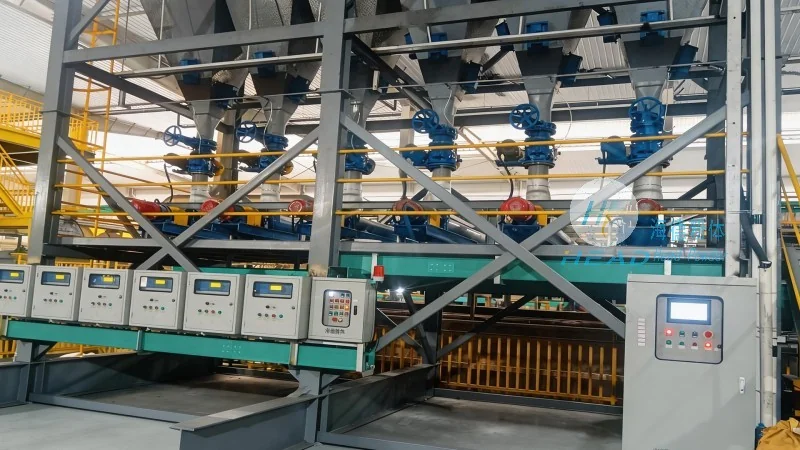
Introduction to Carbon Fiber Pneumatic Conveying Systems
A carbon fiber pneumatic conveying system is a type of equipment used to transport bulk materials like powders, granules, or fine particles through a pipeline using air as the driving force. Unlike traditional mechanical conveyors, which rely on moving parts like belts or screws, pneumatic systems employ a pressurized air stream to propel the material. This method is especially beneficial for materials that are sensitive to contamination, fragile, or require gentle handling, as the system minimizes direct contact with moving parts. The use of carbon fiber in the construction of these systems enhances durability, reduces weight, and improves resistance to corrosion and wear, making it an ideal choice for demanding industrial applications.
Key Components of a Carbon Fiber Pneumatic Conveying System
The effectiveness of a carbon fiber pneumatic conveying system depends on several critical components, each designed to work in concert to ensure efficient material transport. These components include the material feed hopper, which holds the bulk material and regulates its flow into the system; the air compressor, which generates the necessary pressure to move the material; the conveying line, typically made from carbon fiber or other lightweight, strong materials, to transport the material and air mixture; the control valves, which regulate the air pressure and flow rate; and the discharge unit, which collects the material at the destination. Each component is engineered to withstand the stresses of continuous operation while maintaining the integrity of the conveyed material.
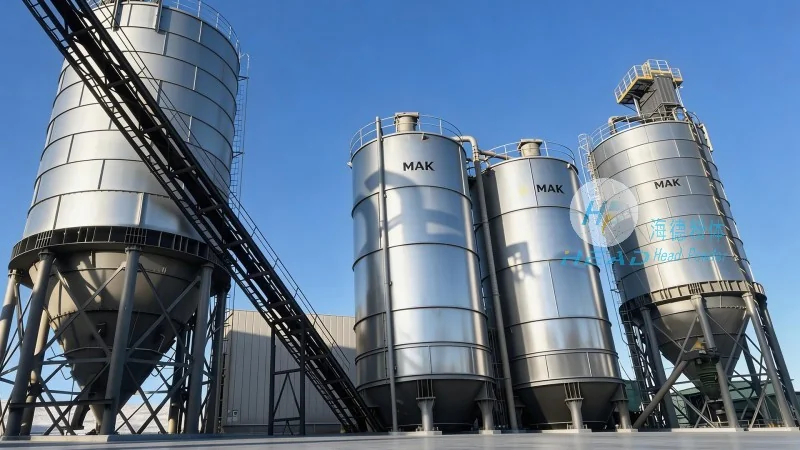
Design Principles Underlying Carbon Fiber Pneumatic Conveying Systems
The design principles of carbon fiber pneumatic conveying systems are centered on optimizing the interaction between the material and the air stream to achieve efficient transport. A key principle is the balance between the air velocity and the material's velocity, ensuring that the material is entrained and carried through the pipeline without excessive pressure drop or material degradation. The system's design also considers the material's physical properties, such as particle size, density, and flowability, to determine the appropriate air pressure and flow rate. Additionally, the use of carbon fiber in the pipeline and other components reduces friction and wear, minimizing the need for maintenance and extending the system's operational life. The overall design aims to provide a reliable, low-cost solution for material handling while maintaining high performance and efficiency.
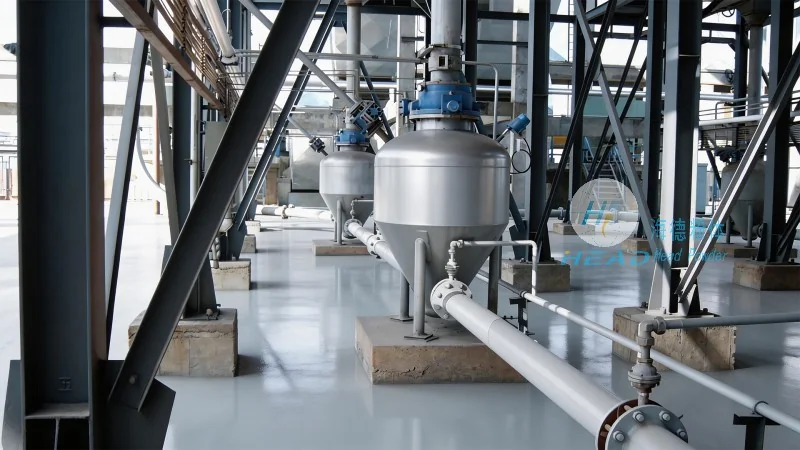
Advantages of Carbon Fiber in Pneumatic Conveying Systems
Carbon fiber offers several advantages that make it an ideal material for constructing pneumatic conveying systems. Its high strength-to-weight ratio allows for the construction of lightweight yet robust pipelines and components, reducing the overall system weight and making it easier to install and maintain. Carbon fiber is also highly resistant to corrosion, chemical attack, and wear, which is crucial for systems handling aggressive or abrasive materials. Furthermore, its low thermal conductivity helps maintain the temperature of the conveyed material, preventing heat-related degradation. These properties, combined with the system's ability to handle a wide range of materials, make carbon fiber pneumatic conveying systems a preferred choice for many industries.
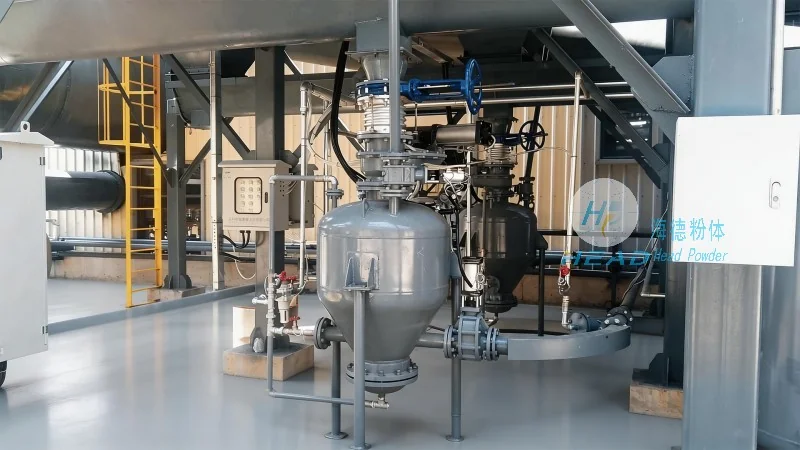
Applications and Industries Using Carbon Fiber Pneumatic Conveying Systems
Carbon fiber pneumatic conveying systems are widely used across various industries due to their versatility and efficiency. Common applications include the pharmaceutical industry, where the system's ability to handle sensitive powders without contamination is critical; the food and beverage industry, which requires gentle handling of ingredients to preserve quality; the chemical industry, which benefits from the system's resistance to corrosive materials; and the manufacturing industry, where it is used for transporting raw materials and finished products. The system's adaptability to different material types and its ability to operate in clean environments make it a valuable asset in these sectors.
Conclusion and Company Information
Carbon fiber pneumatic conveying systems represent a cutting-edge solution for material handling, combining advanced materials with efficient design principles to deliver reliable and high-performance transport solutions. The integration of carbon fiber in the system's construction enhances durability, reduces maintenance needs, and improves overall performance, making it a cost-effective choice for industries seeking to optimize their material handling processes. Shandong HeadPowder Engineering Co., Ltd., a leading manufacturer based in China, specializes in the design and production of such systems, leveraging years of experience to provide customized solutions tailored to the specific needs of their clients. With a focus on quality and innovation, the company ensures that their carbon fiber pneumatic conveying systems meet the highest standards of performance and reliability, serving a diverse range of industrial applications.