

What is a Pulse Jet Dust Collector Pneumatic Conveying Line? And What Are Its Design Principles?
Welcome to Shandong HeadPowder Engineering Co., Ltd., a leading manufacturer specializing in advanced industrial solutions, located in Shandong, China. In this article, we will explore the concept of a pulse jet dust collector pneumatic conveying line and delve into its fundamental design principles. This system is widely used in various industries to efficiently transport bulk materials while simultaneously capturing and removing airborne dust particles, ensuring a cleaner and safer working environment.
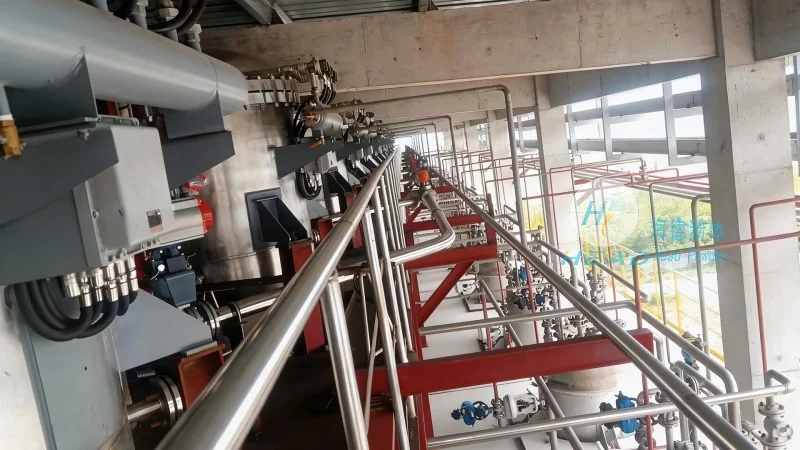
Understanding the Pulse Jet Dust Collector Pneumatic Conveying Line
A pulse jet dust collector pneumatic conveying line is an integrated system that combines a pulse jet dust collector with a pneumatic conveying system. The primary function of this line is to handle bulk materials, such as powders, granules, or other particulate materials, by transporting them from a source to a destination through an air stream. Simultaneously, the pulse jet dust collector is responsible for capturing and filtering out dust particles from the air, preventing them from being released into the environment. This dual functionality makes the system highly effective in industrial applications where both material handling and air purification are critical.
Key Components of the System
The pulse jet dust collector pneumatic conveying line consists of several key components that work in harmony to achieve its objectives. These components include:
1. Pneumatic Conveying Pipeline: This is the main channel through which the bulk materials are transported. The pipeline is typically made of durable materials like stainless steel or PVC to withstand the pressure and abrasive nature of the materials being conveyed. The design of the pipeline, including its diameter, length, and bends, is crucial for maintaining the efficiency of the conveying process.
2. Pulse Jet Dust Collector: This component is responsible for capturing and filtering the dust particles from the air. It operates by periodically injecting high-pressure air pulses into the filter bags, which causes the dust to dislodge and fall into a hopper for collection. The collector is designed to handle high volumes of air and dust, ensuring effective filtration and maintaining air quality.
3. Material Feed and Discharge Systems: These systems are used to introduce the bulk material into the conveying pipeline and to discharge it at the destination. The feed system may include hoppers, feeders, or other equipment to control the flow rate of the material. The discharge system ensures that the material is delivered accurately to the desired location, minimizing spillage and loss.
4. Control and Monitoring Systems: Modern pulse jet dust collector pneumatic conveying lines are equipped with advanced control and monitoring systems. These systems allow operators to monitor the performance of the system in real-time, adjust parameters such as air pressure and flow rate, and detect any issues that may arise. This ensures optimal operation and reduces downtime.
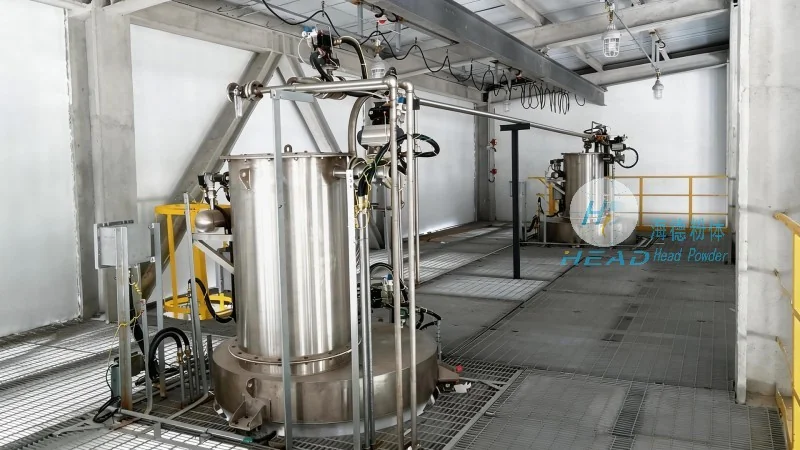
Design Principles of the Pulse Jet Dust Collector Pneumatic Conveying Line
The design of a pulse jet dust collector pneumatic conveying line is based on several key principles to ensure its efficiency, reliability, and effectiveness. These principles include:
1. Efficient Material Transport: The system is designed to transport bulk materials with minimal pressure drop and energy consumption. The choice of pipeline diameter, air velocity, and the number of bends are carefully considered to optimize the conveying process. The use of appropriate air pressure and flow rate ensures that the material is moved smoothly and without blockages.
2. Effective Dust Collection: The pulse jet dust collector is designed to capture a high percentage of dust particles from the air stream. The frequency and duration of the air pulses are optimized to dislodge the dust from the filter bags without causing excessive wear and tear. The collector's capacity and filtration efficiency are critical factors in maintaining air quality and compliance with environmental regulations.
3. System Integration and Compatibility: The design of the system takes into account the integration with other industrial equipment and processes. The components are designed to be compatible with existing infrastructure, minimizing the need for major modifications. The system is also designed to be flexible, allowing for adjustments to accommodate different materials and operational conditions.
4. Reliability and Durability: The pulse jet dust collector pneumatic conveying line is designed to operate reliably and with minimal maintenance. The use of high-quality materials and components ensures that the system can withstand the harsh conditions of industrial environments. Regular maintenance and monitoring are essential to ensure the long-term performance of the system.
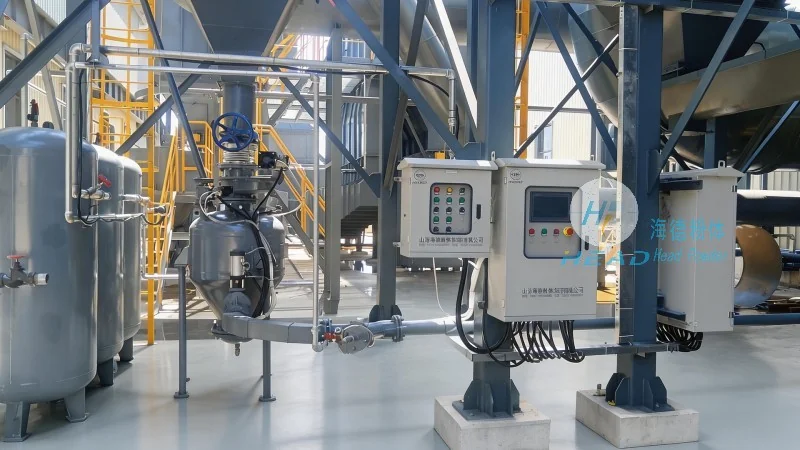
Applications and Benefits
The pulse jet dust collector pneumatic conveying line is widely used in various industries, including pharmaceuticals, food processing, chemical manufacturing, and mining. The benefits of this system include:
1. Improved Air Quality: By effectively capturing and removing dust particles, the system helps to maintain a cleaner and safer working environment. This reduces the risk of respiratory diseases and other health issues among workers.
2. Efficient Material Handling: The system allows for the efficient transport of bulk materials, reducing the need for manual handling and minimizing the risk of material loss or contamination.
3. Cost-Effective Operation: The system is designed to operate with minimal energy consumption and maintenance costs. The use of advanced control systems helps to optimize energy usage and reduce downtime.
4. Environmental Compliance: The system helps to ensure compliance with environmental regulations by reducing the emission of dust particles into the atmosphere. This is particularly important in industries where air quality is a major concern.
Conclusion
In conclusion, the pulse jet dust collector pneumatic conveying line is a highly effective and versatile system that combines material handling and air purification. The design principles of this system are based on efficient material transport, effective dust collection, system integration, and reliability. The system offers numerous benefits, including improved air quality, efficient material handling, cost-effective operation, and environmental compliance. Shandong HeadPowder Engineering Co., Ltd. specializes in providing high-quality pulse jet dust collector pneumatic conveying lines that meet the specific needs of various industries. With our expertise and advanced technology, we can help you design and implement a system that optimizes your industrial processes and ensures a safer and cleaner working environment.