

What is a Glass Slag Pneumatic Conveying Equipment? And What Are Its Design Principles?
Glass slag, a byproduct of glass manufacturing processes, poses significant challenges in handling and transportation due to its abrasive nature and varying particle sizes. To address these challenges, industrial facilities increasingly rely on specialized equipment designed to efficiently transport glass slag through pneumatic conveying systems. This article explores the concept of glass slag pneumatic conveying equipment, detailing its design principles, operational mechanisms, and practical applications in industrial settings.
Introduction to Glass Slag Pneumatic Conveying Equipment
Glass slag, also known as glass cullet or waste glass, is generated during the recycling and manufacturing of glass products. It consists of crushed or broken glass pieces that require collection and transport to processing facilities or disposal sites. Traditional methods of handling glass slag, such as manual handling or mechanical conveyors, often suffer from inefficiencies, high maintenance costs, and safety hazards. Pneumatic conveying equipment offers a solution by utilizing air pressure to move glass slag particles through a pipeline system, eliminating the need for mechanical components that can be damaged by abrasive materials.
Overview of Pneumatic Conveying Systems
Pneumatic conveying systems are a type of material handling technology that uses compressed air or gas to transport bulk materials through a sealed pipeline. These systems are widely used in various industries, including food processing, pharmaceuticals, and minerals, due to their ability to handle a wide range of materials, including fine powders and granules. In the case of glass slag, the system must be specifically designed to withstand the abrasive and corrosive properties of the material, ensuring long-term durability and operational reliability.

Design Principles of Glass Slag Pneumatic Conveying Equipment
The design of glass slag pneumatic conveying equipment is guided by several key principles aimed at optimizing performance, efficiency, and safety. These principles include material compatibility, system pressure management, and component durability. Material compatibility is crucial, as the equipment must be constructed from materials that can resist the abrasive action of glass particles, such as stainless steel or specialized alloys. System pressure management involves determining the appropriate air pressure and flow rates to ensure efficient transport without causing excessive wear on components. Component durability is also a critical factor, as glass slag can cause significant wear on pipes, valves, and other parts of the system, requiring robust construction and regular maintenance.
Key Components and Their Functions
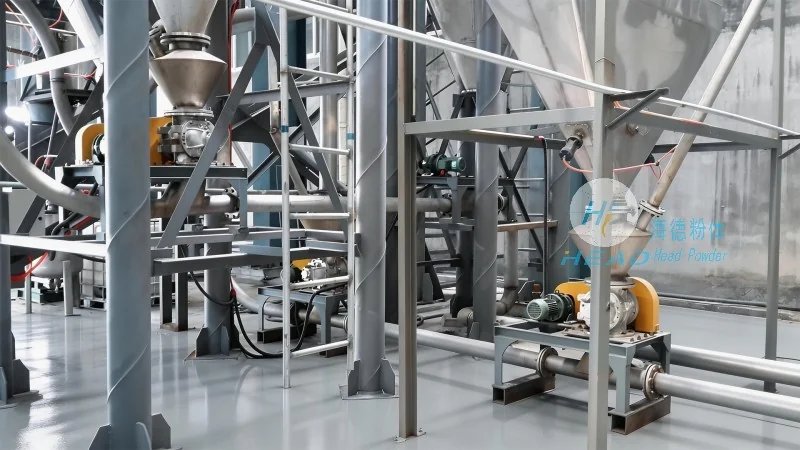
Glass slag pneumatic conveying systems typically consist of several key components, each playing a vital role in the overall operation. The primary components include the hopper or feed unit, which stores and feeds the glass slag into the system; the conveying line, which transports the material through the pipeline; the air compressor or blower, which provides the necessary air pressure; and the control system, which regulates the flow of material and air. The hopper is designed with a smooth interior to minimize material buildup and prevent clogging, while the conveying line is often made of corrosion-resistant materials to withstand the abrasive nature of glass slag. The air compressor is responsible for generating the pressure needed to move the material, and the control system ensures that the system operates efficiently and safely, preventing overpressure or underflow conditions.
Operational Mechanisms and Process Flow
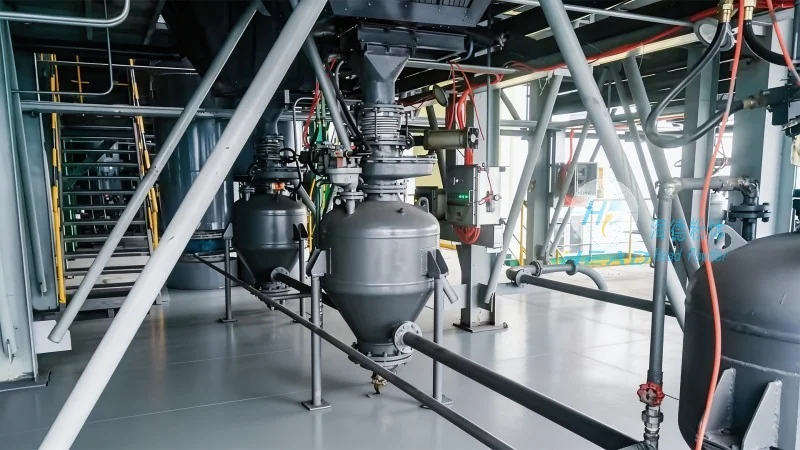
The operational mechanism of a glass slag pneumatic conveying system involves several steps. First, the glass slag is fed into the hopper from a collection or processing area. The hopper then releases the material into the conveying line as needed, typically controlled by a feeder or valve. The air compressor then supplies compressed air to the conveying line, creating a flow that moves the glass slag particles through the system. The material is carried by the air stream, which can be either dense-phase or dilute-phase, depending on the system design. Dense-phase conveying involves a higher air-to-material ratio, resulting in slower but more efficient transport, while dilute-phase conveying uses a lower air-to-material ratio, allowing for faster transport but with higher energy consumption. The system may also include a filter or separator at the end of the conveying line to remove any excess air and collect the glass slag for further processing or disposal.
Benefits and Applications in Industrial Settings
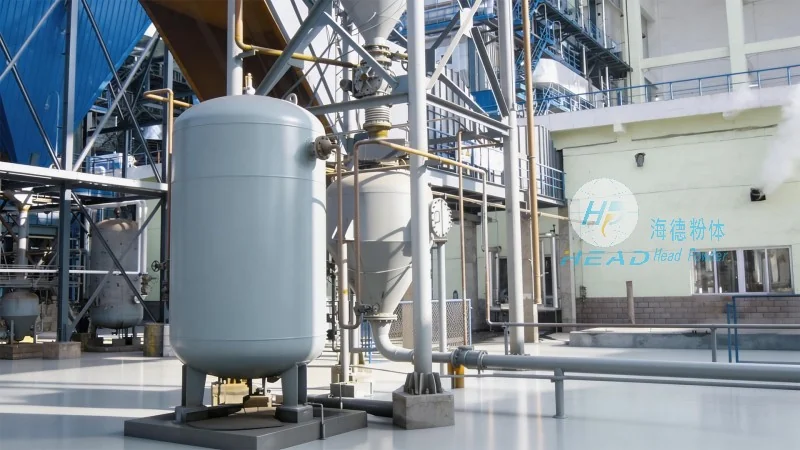
Implementing glass slag pneumatic conveying equipment offers several benefits to industrial facilities. These include improved safety by eliminating manual handling of abrasive materials, increased efficiency by reducing downtime and maintenance costs, and enhanced environmental compliance by ensuring proper collection and transport of waste materials. The equipment is particularly useful in glass manufacturing plants, recycling facilities, and waste management operations, where large volumes of glass slag need to be transported over short or long distances. Additionally, the system can be integrated with other processing equipment, such as crushers or classifiers, to form a complete material handling system that optimizes the entire production process.
Company Profile: Shandong HeadPowder Engineering Co., Ltd.
Shandong HeadPowder Engineering Co., Ltd., commonly known as HeadPowder, is a leading manufacturer of pneumatic conveying equipment and related industrial solutions. With a strong focus on innovation and quality, HeadPowder specializes in designing and producing equipment tailored to the specific needs of various industries, including glass manufacturing, food processing, and minerals. The company's headquarters is located in Shandong, China, and it has established a reputation for providing reliable, efficient, and cost-effective solutions to its clients. HeadPowder's team of engineers and technicians work closely with clients to understand their unique requirements and develop customized solutions that meet their operational and safety standards. The company adheres to strict quality control measures and adheres to international standards, ensuring that its products are durable, efficient, and safe for use in industrial environments.