

What are the fiber conveying methods? Introduction to Haide fiber pneumatic conveying method.
Fiber Conveying Methods: A Comprehensive Guide to Headpowder Pneumatic Fiber Conveying Systems
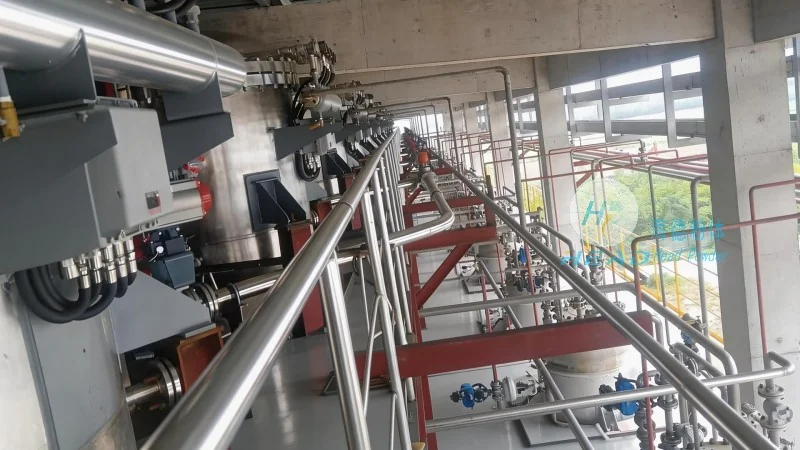
Introduction to Fiber Conveying Solutions
In modern industrial production, efficient material handling is crucial for maintaining high throughput and product quality. Among various materials, fiber conveying presents unique challenges due to the lightweight, fluffy, and often cohesive nature of fibrous materials. These characteristics make traditional mechanical conveyors, such as belt conveyors or screw conveyors, less effective or even problematic. Therefore, specialized fiber conveying methods have been developed to address these challenges. This article provides a detailed overview of the primary fiber conveying methods, with a particular focus on the advanced pneumatic fiber conveying technology offered by Shandong Headpowder Engineering Co., Ltd. (headpowder). Whether you are dealing with glass fiber, carbon fiber, aramid fiber, or natural fibers, understanding the right conveying approach is essential for optimizing your production line.
Common Fiber Conveying Methods in the Industry
There are several established methods for conveying fibrous materials. The most common include mechanical conveying (e.g., belt conveyors, screw conveyors, and bucket elevators), vacuum conveying, and pressure pneumatic conveying. Mechanical conveyors are suitable for short distances and relatively low-speed applications, but they often suffer from fiber entanglement, bridging, and wear on moving parts. For example, screw conveyors can compact fibers, leading to blockages and inconsistent feed rates. Belt conveyors, while simple, require frequent cleaning to prevent fiber buildup. In contrast, pneumatic conveying systems use air flow to transport fibers through enclosed pipelines, offering a dust-free, flexible, and gentle handling solution. Among pneumatic systems, dilute phase conveying and dense phase conveying are the two main categories. Dilute phase uses high velocity and low pressure to suspend fibers in the air stream, while dense phase uses lower velocity and higher pressure for more gentle transport. Both have their applications, but for delicate or long fibers, dense phase is often preferred to minimize breakage.
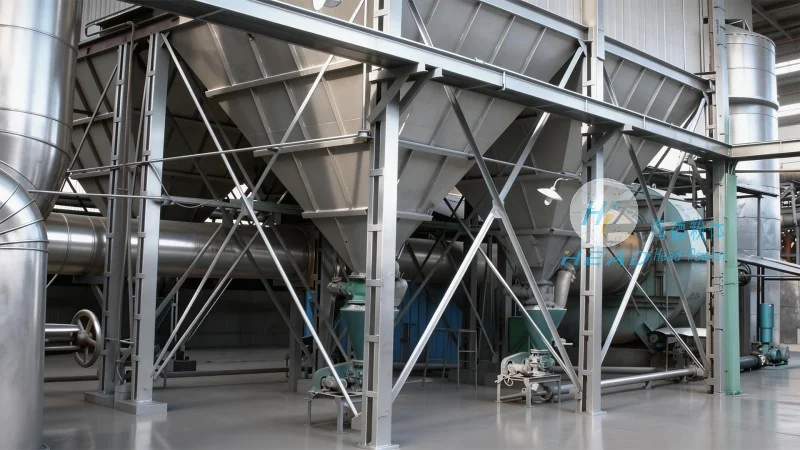
Why Pneumatic Fiber Conveying Outperforms Traditional Methods
Pneumatic fiber conveying, also known as fiber air conveying or fiber pneumatic conveying, has become the preferred choice for many industries, including composites, insulation, textiles, and filtration. The key advantages include complete enclosure, which prevents contamination and reduces dust emissions; flexible routing that can go around obstacles and across multiple floors; and the ability to handle long, fragile fibers without significant degradation. Shandong Headpowder Engineering Co., Ltd. (headpowder) has specialized in fiber pneumatic conveying systems for over a decade, providing tailored solutions for materials such as glass fiber rovings, chopped strands, and milled fibers. By utilizing advanced air flow control and specially designed pipeline geometries, headpowder's systems ensure that fibers are conveyed smoothly without clogging or tangling. The company's expertise in fiber conveying also extends to integrating with upstream chopping or cutting equipment and downstream weighing or dosing stations, creating a seamless production line.
Headpowder's Fiber Pneumatic Conveying Technology Explained
Headpowder's fiber pneumatic conveying systems are engineered to overcome the unique difficulties of fibrous materials. The core technology involves a carefully calibrated air velocity that creates a stable suspension of fibers in the conveying pipe. Unlike conventional pneumatic systems that may cause fiber breakage, headpowder's approach uses a low-turbulence, controlled air stream that respects the fiber's length and integrity. Additionally, the system incorporates anti-clogging devices and automatic cleaning cycles to maintain consistent operation. The company's product range includes both positive pressure (blow) and negative pressure (vacuum) conveying configurations, depending on the application requirements. For example, vacuum conveying is ideal for feeding multiple process points from a single source, while pressure conveying is suitable for long-distance transport. Every system is designed with the specific bulk density, flowability, and moisture content of the fiber in mind. For more information or to discuss your specific fiber conveying needs, please contact our expert: Mr. Zhang (Manager), WeChat: 15662777102. Shandong Headpowder Engineering Co., Ltd., located in Shandong, China, is ready to assist you.
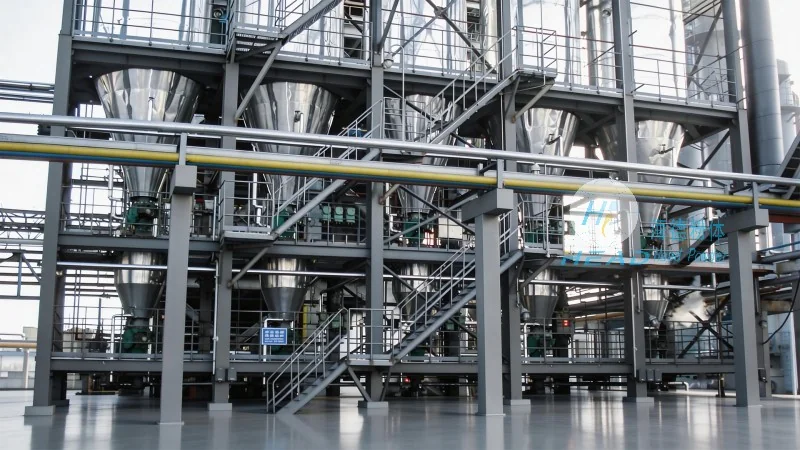
Key Factors in Selecting a Fiber Conveying System
Choosing the right fiber conveying method depends on several critical parameters. First, the fiber type and its physical properties—such as length, diameter, bulk density, and tendency to entangle—will dictate whether pneumatic or mechanical conveying is suitable. Second, the required conveying distance, throughput rate, and the number of discharge points influence the system design. Third, the need for hygiene, dust control, and noise reduction may favor enclosed pneumatic systems. For instance, in the production of fiber-reinforced plastics, even minor fiber damage can significantly reduce the mechanical properties of the final product. Therefore, a gentle fiber conveying system is essential. Headpowder's engineers conduct thorough material testing and system simulations to ensure optimal performance. They also provide comprehensive after-sales support, including installation guidance, commissioning, and maintenance training. With a strong focus on material conveying efficiency and reliability, headpowder has become a trusted partner for fiber processing companies worldwide. To get a personalized solution for your fiber conveying project, reach out to Mr. Zhang via WeChat: 15662777102.
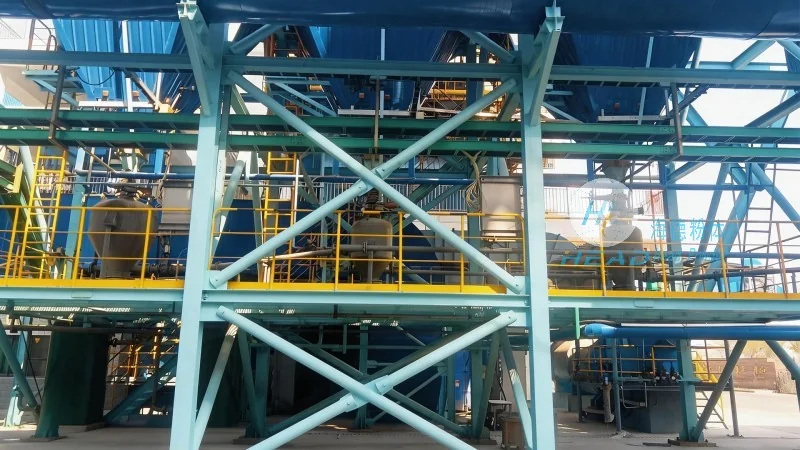
Applications of Fiber Pneumatic Conveying Across Industries
Fiber pneumatic conveying systems from Shandong Headpowder Engineering Co., Ltd. are widely used in various sectors. In the composite materials industry, they transport glass fibers, carbon fibers, and aramid fibers to mixers or molding machines. In the insulation industry, they handle mineral wool, cellulose fibers, and polyester fibers for the production of boards, rolls, and loose-fill insulation. The automotive sector uses fiber conveying for headliners, dashboards, and soundproofing components. Additionally, the filtration industry relies on precise fiber conveying to create nonwoven fabrics with uniform fiber distribution. Each application demands a customized approach to ensure that the fiber conveying system integrates seamlessly with existing equipment. Headpowder's team works closely with clients to map out the entire material flow, from raw material storage to final product formation. By combining in-depth knowledge of fiber characteristics with advanced pneumatic conveying engineering, they deliver solutions that improve productivity, reduce waste, and enhance product consistency. For any inquiries about fiber conveying, material conveying, or fiber pneumatic conveying systems, please contact Shandong Headpowder Engineering Co., Ltd. directly. Our dedicated manager, Mr. Zhang, is available on WeChat at 15662777102 to provide technical consultation and quotations.
Conclusion: Optimizing Your Fiber Conveying Process with Headpowder
Efficient fiber conveying is a cornerstone of successful production in many industries. Whether you need to move chopped fibers, continuous strands, or milled powders, the right method can dramatically impact your operational efficiency and product quality. Among the available options, pneumatic fiber conveying stands out for its versatility, cleanliness, and gentle handling. Shandong Headpowder Engineering Co., Ltd. (headpowder) has established itself as a leader in this field, offering state-of-the-art fiber pneumatic conveying systems that are engineered for reliability and performance. With a strong commitment to customer satisfaction, headpowder provides comprehensive support from initial design to ongoing maintenance. If you are looking to upgrade your existing fiber conveying process or need a new system from scratch, do not hesitate to get in touch. The company is located in Shandong, China, and you can reach the contact person, Manager Zhang, via WeChat at 15662777102. Let headpowder help you achieve smooth, efficient, and cost-effective fiber conveying for your business.