

Types and Characteristics of Light-Weight Calcium Carbonate Pneumatic Conveying Systems and Their Ap
Light-weight calcium carbonate (LWCC) is a widely used industrial material, and its efficient handling is crucial for various production processes. Pneumatic conveying systems offer a reliable solution for transporting this material, ensuring minimal dust, reduced labor costs, and improved safety in industrial settings. This article explores the types, key characteristics, and typical applications of light-weight calcium carbonate pneumatic conveying systems, providing insights into their operational advantages and practical implementation. The information is provided by Shandong HeadPowder Engineering Co., Ltd., a leading manufacturer specializing in material handling solutions for industrial applications.
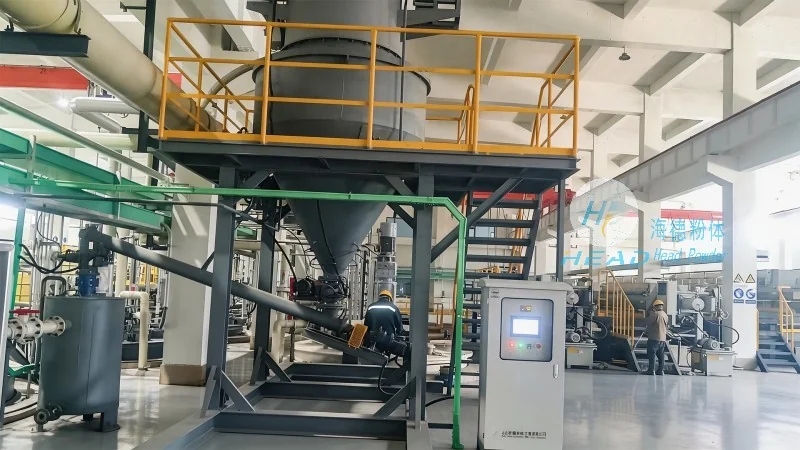
Types of Light-Weight Calcium Carbonate Pneumatic Conveying Systems
There are several common types of pneumatic conveying systems used for light-weight calcium carbonate, each with distinct design principles and operational capabilities. The primary categories include:
- Positive Pressure Systems: These systems use a blower or fan to generate positive pressure within the conveying line, pushing the material forward. They are suitable for short to medium distances and are effective for handling fine powders like light-weight calcium carbonate. The positive pressure helps maintain material flow and reduces the risk of clogging.
- Negative Pressure (Vacuum) Systems: In contrast, negative pressure systems create a vacuum to draw material from the source into the conveying line. This method is ideal for applications requiring material collection from multiple points or for long-distance transport, as it can handle larger volumes and is less likely to cause dust dispersion compared to positive pressure systems.
- Combined Systems: Some facilities employ a combination of both positive and negative pressure components. For instance, a positive pressure system may be used for the initial transport from the storage silo to a central processing unit, while a negative pressure system handles the final delivery to the end-point. This hybrid approach allows for flexibility in handling different material flow rates and distances.
Each type of system is selected based on factors such as the distance between the source and destination, the volume of material to be transported, and the specific requirements of the production line. The choice of system directly impacts the efficiency and reliability of the light-weight calcium carbonate handling process.
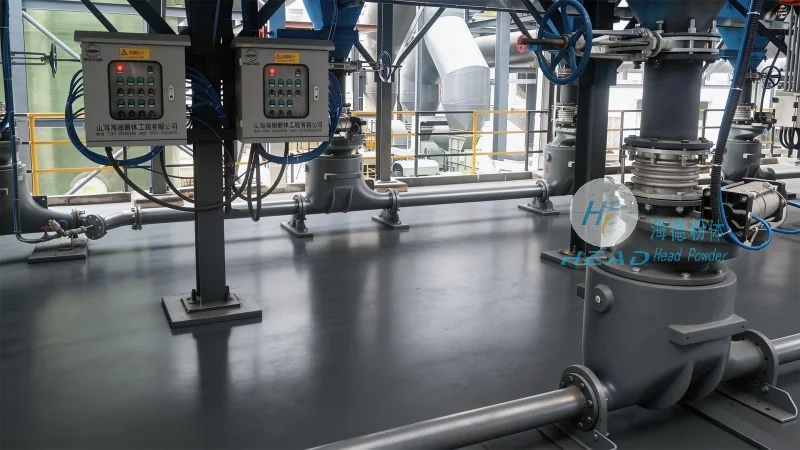
Key Characteristics of Light-Weight Calcium Carbonate Pneumatic Conveying
Light-weight calcium carbonate pneumatic conveying systems exhibit several key characteristics that make them advantageous for industrial use:
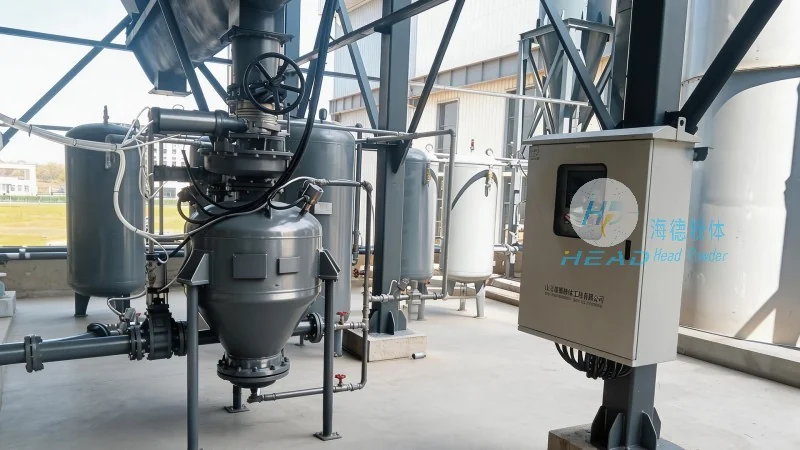
- Low Energy Consumption: Compared to traditional bulk material handling methods like belt conveyors or bucket elevators, pneumatic conveying systems typically consume less energy. The use of air as the conveying medium reduces the need for heavy machinery and minimizes operational costs over time.
- Reduced Dust and Environmental Impact: Pneumatic conveying is designed to minimize dust generation and dispersion. The enclosed system prevents airborne particles from entering the workplace, improving air quality and reducing the risk of respiratory issues for workers. This characteristic also aligns with environmental regulations, making it a sustainable choice for industrial operations.
- Improved Material Handling Efficiency: These systems allow for continuous, automated material transport, eliminating the need for manual handling and reducing the risk of material loss or contamination. The consistent flow of light-weight calcium carbonate ensures that production processes run smoothly without interruptions.
- Flexibility in Layout: Pneumatic conveying systems can be easily integrated into existing production layouts. They can be installed in various configurations, including vertical, horizontal, or inclined lines, to accommodate the spatial constraints of different facilities. This flexibility allows for efficient use of available space and supports the adaptation of production lines as needed.
These characteristics collectively contribute to the overall effectiveness and cost-effectiveness of light-weight calcium carbonate pneumatic conveying, making it a preferred solution for many industries.
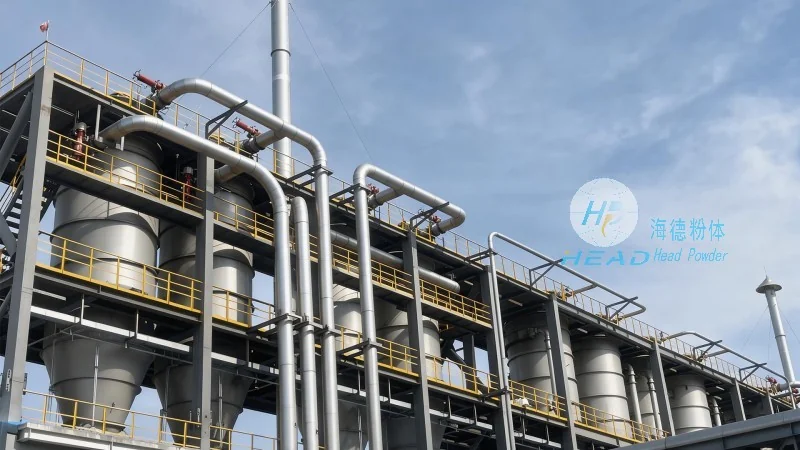
Application Scope of Light-Weight Calcium Carbonate Pneumatic Conveying
The application scope of light-weight calcium carbonate pneumatic conveying systems is broad and encompasses various industries that utilize this material. Some of the key applications include:
- Plastic and Rubber Manufacturing: Light-weight calcium carbonate is commonly used as a filler in plastic and rubber products, such as PVC pipes, automotive parts, and rubber tires. Pneumatic conveying systems efficiently transport the material from storage to processing equipment, ensuring consistent quality and reducing downtime in production.
- Paper and Pulp Industry: In the paper industry, light-weight calcium carbonate is used as a coating pigment and filler to improve the brightness and strength of paper products. Pneumatic conveying enables the precise delivery of this material to paper machines, enhancing the final product's characteristics and meeting quality standards.
- Paint and Coating Industry: The paint and coating sector utilizes light-weight calcium carbonate as a cost-effective filler to modify the texture and opacity of coatings. Pneumatic conveying systems ensure uniform mixing and consistent application of the material, contributing to the durability and performance of finished products.
- Construction Materials: In the construction industry, light-weight calcium carbonate is used in the production of cement, concrete, and other building materials. Pneumatic conveying facilitates the efficient transport of this material to mixing plants and production lines, supporting the high-volume demands of construction projects.
These applications highlight the versatility of light-weight calcium carbonate and the importance of reliable pneumatic conveying systems in ensuring its effective use across different sectors.