

[Pneumatic Conveying of Positive and Negative Electrode Materials: Types, Characteristics, and Appli
Pneumatic conveying systems are crucial in the production and processing of positive and negative electrode materials for lithium-ion batteries. These systems efficiently transport powders and granules, ensuring high purity and minimal contamination. The choice of conveying type depends on factors such as material properties, production scale, and operational requirements. This article explores the main types of pneumatic conveying, their key characteristics, and typical application scopes.
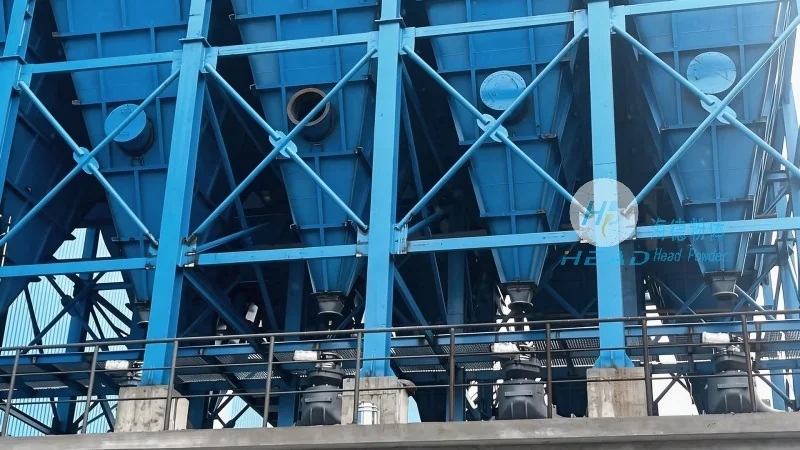
Types of Pneumatic Conveying Systems
There are primarily three types of pneumatic conveying systems used for handling electrode materials: suction (or vacuum) systems, pressure systems, and combined (or mixed) systems. Each type has distinct operational principles and is suited to different scenarios.
Suction (Vacuum) Pneumatic Conveying
Suction systems operate by creating a negative pressure in the conveying line, drawing material from the source to the destination. This method is ideal for materials that are difficult to move by gravity or require gentle handling. The system typically includes a vacuum pump, a hopper for material storage, and a filter to capture fine particles. Suction conveying is commonly used in applications where the material source is at a higher elevation than the destination, or when the material is sensitive to impact and friction.
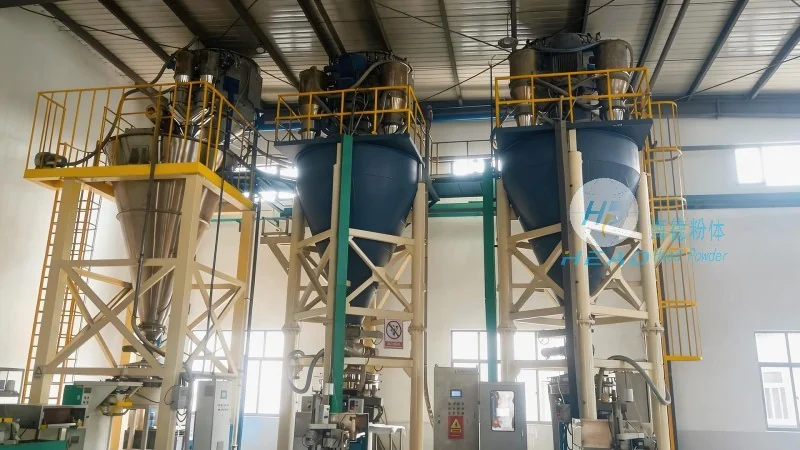
Pressure Pneumatic Conveying
Pressure systems generate positive pressure in the conveying line, pushing material from the source to the destination. This approach is suitable for materials that are more abrasive or have higher bulk density. The system consists of a blower or compressor, a material feeder, and a discharge valve. Pressure conveying is often employed in large-scale production lines where high throughput is required, and the material can withstand higher pressures and velocities.
Combined (Mixed) Pneumatic Conveying
Combined systems use both suction and pressure principles to handle materials. They start with suction to draw material from the source and then switch to pressure to transport it to the destination. This hybrid approach offers flexibility and can handle a wider range of material properties and distances. The system includes a vacuum pump for initial material collection and a blower for subsequent transport. Combined conveying is advantageous when the material needs to be transported over long distances or through complex routes, as it can maintain efficiency while minimizing energy consumption.
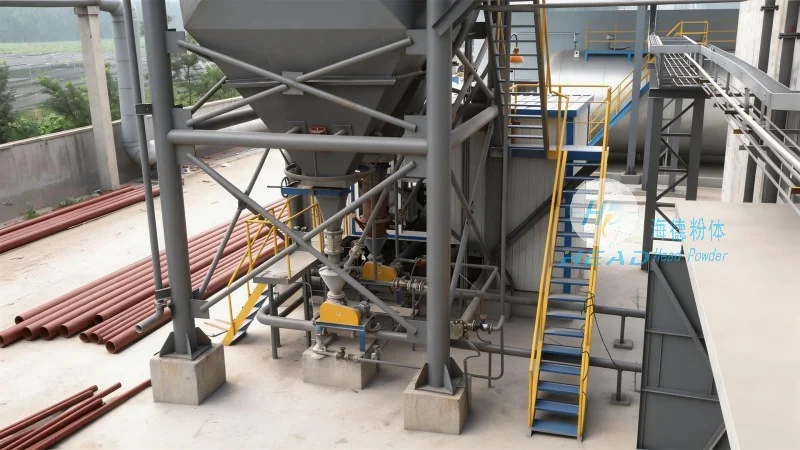
Key Characteristics of Pneumatic Conveying for Electrode Materials
When selecting a pneumatic conveying system for electrode materials, several key characteristics must be considered. These include material compatibility, system efficiency, and operational safety. Material compatibility refers to the ability of the system to handle the specific properties of the electrode material, such as particle size, moisture content, and chemical reactivity. System efficiency is measured by the throughput rate, energy consumption, and maintenance requirements. Operational safety is critical due to the potential for dust explosions and the need to prevent contamination. Advanced systems often incorporate features like explosion-proof designs, dust collection, and real-time monitoring to ensure safe and efficient operation.
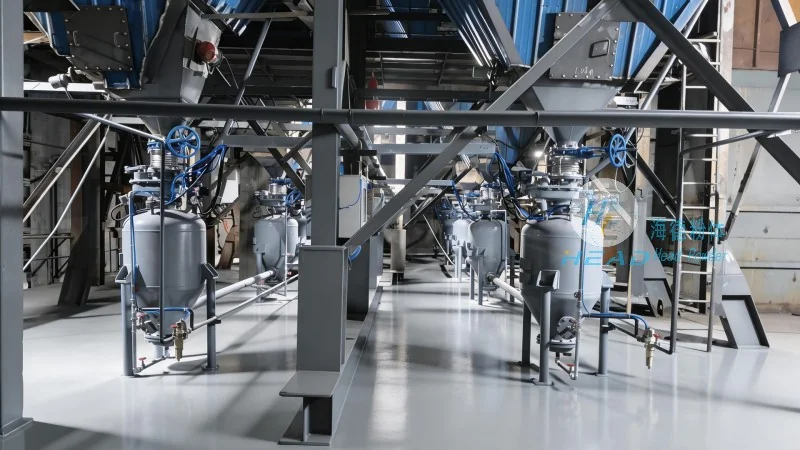
Application Scope of Pneumatic Conveying Systems
The application scope of pneumatic conveying for positive and negative electrode materials is broad and varies based on the specific requirements of the production process. In battery cell manufacturing, these systems are used to transport raw materials from storage silos to mixing and coating lines. They are also employed in material recycling processes, where spent electrode materials are processed and re-used. Additionally, pneumatic conveying is used in quality control and testing stages, where small quantities of material need to be transferred for analysis. The systems can be integrated into automated production lines, enhancing overall efficiency and reducing manual handling. The flexibility of pneumatic conveying allows it to adapt to different production scales, from small-scale laboratory operations to large-scale industrial manufacturing.
About Shandong HeadPowder Engineering Co., Ltd.
Shandong HeadPowder Engineering Co., Ltd., operating under the brand name HeadPowder, specializes in the design, manufacturing, and supply of advanced pneumatic conveying systems tailored for the battery material industry. With a focus on innovation and customer-centric solutions, HeadPowder provides customized equipment that meets the unique needs of clients in the lithium-ion battery sector. The company’s facilities are located in Shandong, China, where it leverages local expertise and resources to deliver high-quality products. HeadPowder’s commitment to quality and technological advancement ensures that its systems are reliable, efficient, and compliant with industry standards. By partnering with HeadPowder, manufacturers can enhance their production processes, improve material handling efficiency, and achieve higher productivity in the production of positive and negative electrode materials.