

Types, Features, and Application Ranges of Foam Plastic Pneumatic Conveying Systems
For industries dealing with foam plastic materials, efficient material handling is crucial. Pneumatic conveying systems offer a versatile solution, and among them, foam plastic pneumatic conveying stands out due to its adaptability and effectiveness. This article explores the various types, key characteristics, and application ranges of foam plastic pneumatic conveying, providing insights into how these systems enhance operational efficiency and material transport capabilities.
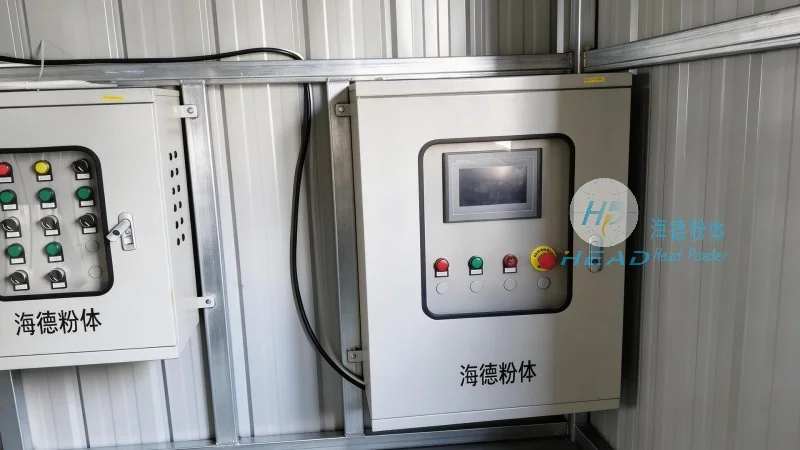
Introduction to Foam Plastic Pneumatic Conveying
Pneumatic conveying systems utilize air or gas to transport bulk materials, including foam plastics, through a network of pipes. Unlike traditional mechanical conveying methods, pneumatic systems offer advantages such as reduced equipment wear, lower maintenance costs, and the ability to handle materials with varying properties. Foam plastic, characterized by its lightweight and porous structure, requires specialized conveying solutions to ensure smooth and efficient transport. The following sections delve into the different types of foam plastic pneumatic conveying systems, their distinctive features, and the diverse applications where they excel.
Types of Foam Plastic Pneumatic Conveying Systems
There are primarily two types of pneumatic conveying systems used for foam plastic materials: pressure and vacuum systems. Each type operates on different principles and is suited to specific operational needs.
Pressure Pneumatic Conveying
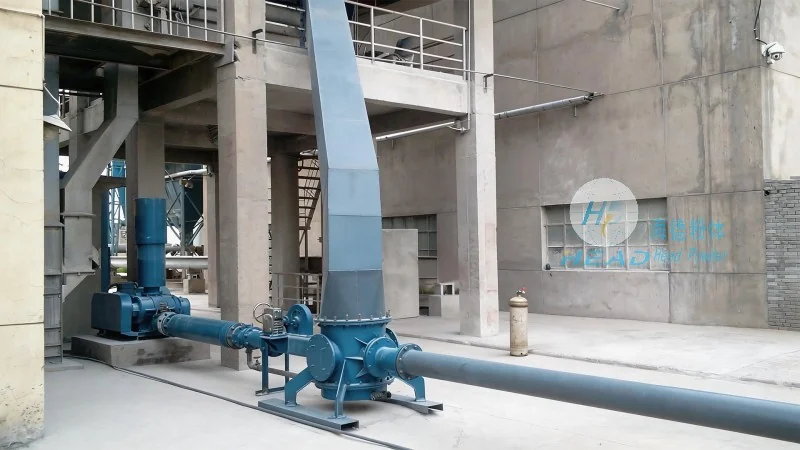
Pressure systems generate positive pressure within the conveying line, typically using a blower or compressor to push the material forward. This method is ideal for long-distance transport and handling large volumes of foam plastic. The high-pressure environment ensures that the material moves consistently without clogging, making it suitable for applications where continuous operation is essential. The system typically includes a hopper for material storage, a feeder to control the flow rate, and a discharge point at the destination. The pressure differential between the inlet and outlet drives the material through the pipeline, ensuring efficient transport.
Vacuum Pneumatic Conveying
Vacuum systems, on the other hand, create a negative pressure in the conveying line, drawing the material from the source to the receiver. This approach is often preferred for shorter distances and when the material needs to be collected from multiple points. The vacuum system uses a vacuum pump to create the pressure difference, allowing for gentle handling of delicate foam plastic particles. It is particularly useful in applications where the material is scattered or needs to be retrieved from various locations. The system includes a collection hopper, a vacuum source, and a discharge mechanism, ensuring that the material is transported without damage or degradation.
Key Features of Foam Plastic Pneumatic Conveying
Regardless of the system type, foam plastic pneumatic conveying systems share several key features that contribute to their effectiveness and reliability. These features are designed to address the unique challenges posed by foam plastic materials, such as their lightweight nature and tendency to create air resistance during transport.
Low Air Velocity Requirements
Unlike some other materials, foam plastic requires lower air velocities to achieve efficient transport. This is because the material's porous structure allows air to pass through more easily, reducing the energy consumption of the system. Lower air velocities also minimize material degradation and reduce the risk of particle breakage, which is critical for maintaining the material's quality. The system is engineered to operate at optimal air velocities, balancing efficiency with material integrity.
Flexible and Adjustable Conveying Lines
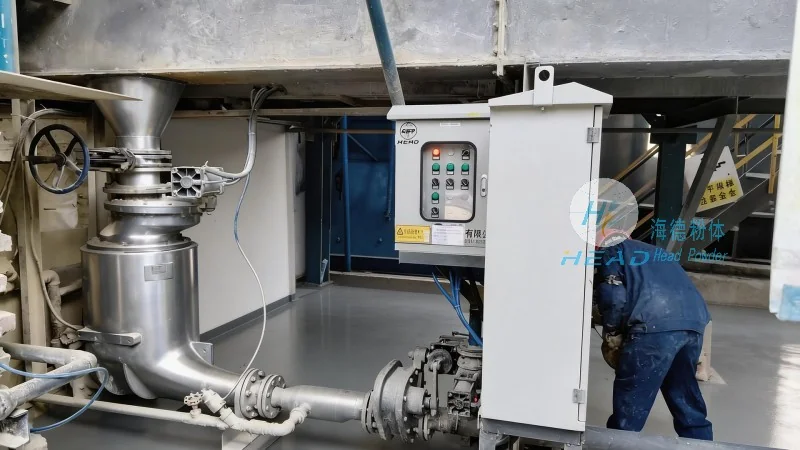
Pneumatic conveying systems for foam plastic are often designed with flexible or adjustable conveying lines. This flexibility allows for easy installation in existing facilities and adaptation to changing operational needs. The ability to reconfigure the system without major modifications enhances its versatility. For example, the pipeline can be extended or repositioned to accommodate new production lines or changes in material handling requirements. This adaptability makes the system suitable for various industrial settings, from manufacturing plants to material processing facilities.
Minimal Material Wear and Tear
Due to the lightweight and soft nature of foam plastic, the conveying system is designed to minimize wear and tear on both the material and the equipment. The system uses smooth, non-abrasive surfaces in the pipeline and hopper to prevent damage to the foam particles. Additionally, the low impact forces during transport reduce the risk of material deformation or breakage. This feature is particularly important for maintaining the material's original properties, which are essential for its intended applications. The system's design ensures that the foam plastic remains intact throughout the conveying process, preserving its quality and performance.
Application Ranges of Foam Plastic Pneumatic Conveying
The versatility of foam plastic pneumatic conveying systems makes them suitable for a wide range of applications across various industries. These systems are employed in scenarios where traditional conveying methods may not be effective or efficient.
Manufacturing and Production Lines
In manufacturing facilities, foam plastic pneumatic conveying is commonly used to transport raw materials to processing machines or to move finished products to packaging areas. The system can handle large volumes of foam plastic, ensuring a steady supply of materials for production. For example, in the production of foam plastic packaging, the system efficiently conveys raw foam material from storage to the molding machines, reducing downtime and improving production throughput. The gentle handling of the material prevents damage to the foam particles, which is crucial for maintaining the quality of the final product.
Material Handling and Logistics
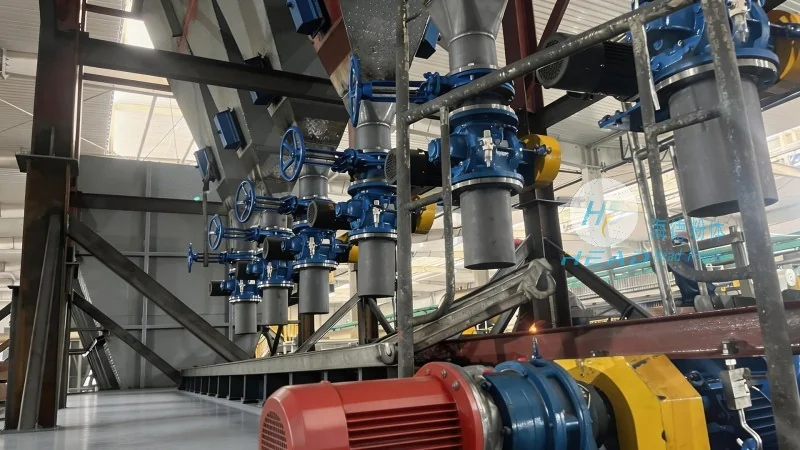
For industries involved in material handling and logistics, foam plastic pneumatic conveying systems offer an efficient solution for transporting bulk materials over short to medium distances. The system is particularly useful in warehouses and distribution centers where foam plastic products need to be moved between storage areas and shipping areas. The ability to handle large volumes of material quickly and with minimal labor makes it an attractive option for logistics operations. Additionally, the system's flexibility allows for easy integration with existing warehouse management systems, enhancing overall operational efficiency.
Environmental and Waste Management
In environmental and waste management applications, foam plastic pneumatic conveying is used to transport waste materials to recycling or disposal facilities. The system can handle various types of foam plastic waste, including scrap from manufacturing processes or discarded products. The gentle transport method ensures that the waste material is not damaged during the conveying process, which is important for maintaining the quality of the recycled material. The system also reduces the risk of contamination, as the enclosed pipeline prevents the spread of waste particles. This makes it an effective solution for managing foam plastic waste in an environmentally responsible manner.
Conclusion
Foam plastic pneumatic conveying systems provide a reliable and efficient solution for handling foam plastic materials in various industrial applications. By understanding the different types, key features, and application ranges of these systems, industries can select the most appropriate solution to meet their specific operational needs. The adaptability, low maintenance requirements, and gentle handling of foam plastic make pneumatic conveying an ideal choice for material transport. As industries continue to rely on foam plastic in manufacturing and other processes, the importance of efficient material handling systems like pneumatic conveying will only grow. Companies such as Shandong HeadPowder Engineering Co., Ltd., based in China, specialize in designing and manufacturing these systems, offering tailored solutions to meet the diverse needs of their clients.