

[Lithium Oxalate Positive Pressure and Negative Pressure Conveying: A Comparative Analysis of Two Pn
When it comes to the efficient and reliable transportation of lithium oxalate—a critical material in the battery and chemical industries—pneumatic conveying systems offer a versatile solution. Among the various methods available, positive pressure and negative pressure conveying stand out as two primary approaches. This article provides a detailed comparison of these two techniques, highlighting their mechanisms, advantages, and practical applications, with a focus on the expertise of Shandong HeadPowder Engineering Co., Ltd., a leading provider of such systems based in China.
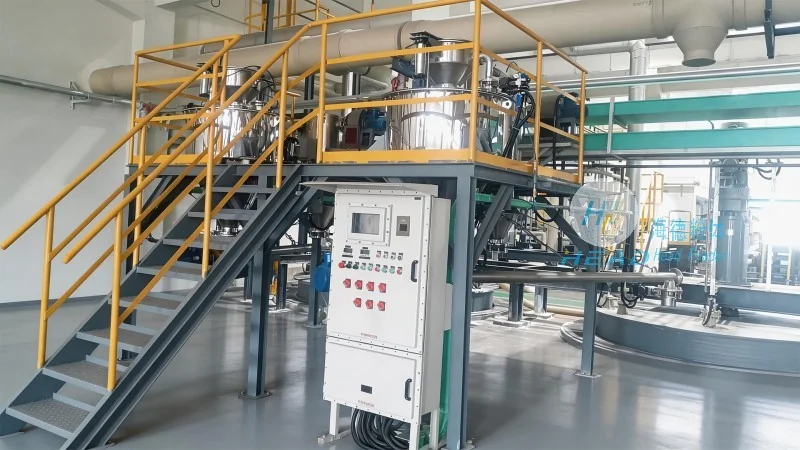
Introduction to Pneumatic Conveying Systems
Pneumatic conveying, or air-based material transport, involves the use of pressurized or vacuum air to move bulk materials through a pipeline. This method is widely used in industries such as pharmaceuticals, chemicals, and food processing due to its ability to handle a wide range of materials, including powders and granules, with minimal contamination and high throughput. For lithium oxalate, which is often used in battery manufacturing and as a precursor in chemical synthesis, the choice of conveying method can significantly impact process efficiency, safety, and cost.
Company Overview: Shandong HeadPowder Engineering Co., Ltd.
HeadPowder Engineering, based in Shandong, China, is a specialized engineering firm dedicated to the design, manufacturing, and installation of advanced pneumatic conveying systems. With years of experience in the industry, the company has developed a deep understanding of material handling challenges, particularly for sensitive and high-value materials like lithium oxalate. Their expertise lies in tailoring conveying solutions to meet specific operational requirements, ensuring optimal performance and reliability for clients across various sectors.
Positive Pressure Conveying: The Pressurized Approach
Positive pressure conveying operates by pressurizing the entire conveying system, typically using a positive displacement blower or a rotary lobe pump. The air is forced through the pipeline, carrying the material from the source to the destination. This method is known for its high conveying capacity and ability to handle long distances and multiple transfer points. For lithium oxalate, positive pressure systems are often preferred when dealing with large volumes or when the material needs to be transported over significant distances without frequent interruptions.
A key advantage of positive pressure conveying is its ability to maintain a positive pressure environment, which helps prevent contamination from external sources and reduces the risk of dust emissions. The system is also relatively simple to operate and maintain, with fewer components compared to negative pressure systems. However, it may require more energy input and can be more expensive to install, especially for large-scale operations.
Negative Pressure Conveying: The Vacuum Approach
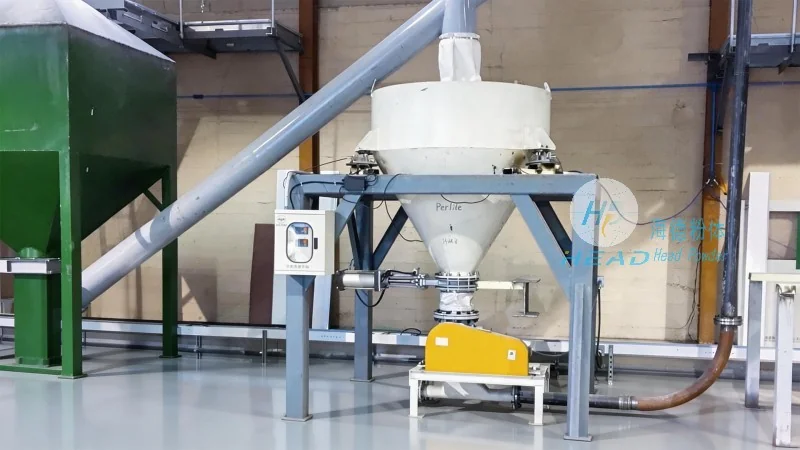
Conversely, negative pressure conveying, also known as vacuum conveying, uses a vacuum pump to create a low-pressure environment within the pipeline. The material is drawn into the system from the source, and the air (mixed with the material) is then pulled through the pipeline to the collection point. This method is particularly suitable for applications where the material is sensitive to pressure changes or where the source is located at a higher elevation than the destination.
Negative pressure systems are often chosen for their lower energy consumption and ability to handle fine powders without causing excessive wear on the system components. They are also more compact and can be installed in confined spaces. However, they have limitations in terms of conveying distance and capacity, as the vacuum pressure diminishes over longer distances and with larger material volumes.
Comparative Analysis: Positive vs. Negative Pressure Conveying
When evaluating the two methods for lithium oxalate conveying, several factors come into play. Positive pressure systems excel in terms of throughput and distance, making them ideal for high-volume production lines. They are also more robust and can handle abrasive materials without significant wear. On the other hand, negative pressure systems offer advantages in energy efficiency and are better suited for handling fine powders or materials that are sensitive to pressure.
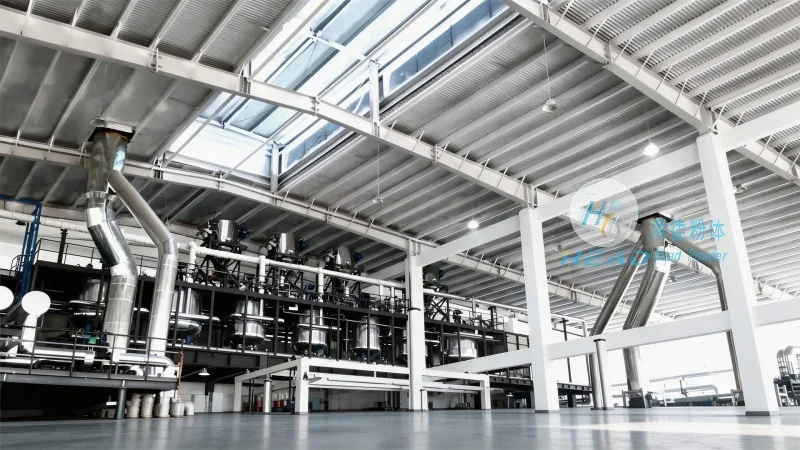
From a safety perspective, positive pressure systems are generally considered safer as they prevent external air from entering the system, reducing the risk of dust explosions or contamination. Negative pressure systems, while effective in containing dust, may require additional filtration to prevent air leakage and maintain a safe working environment.
Application Scenarios and Practical Considerations
The choice between positive and negative pressure conveying for lithium oxalate depends on the specific process requirements. For instance, in a battery manufacturing plant where large quantities of lithium oxalate need to be transported from a storage silo to a processing unit over a distance of several hundred meters, a positive pressure system might be more appropriate due to its higher capacity and ability to handle the distance. Conversely, in a laboratory or small-scale production setting where the material is handled in smaller batches and the focus is on energy efficiency, a negative pressure system could be more suitable.
Another critical consideration is the material's properties. Lithium oxalate is a fine powder that can be prone to agglomeration or caking. Positive pressure systems, with their higher air velocity, can help break up agglomerates and maintain a consistent flow. Negative pressure systems, while effective in handling fine powders, may require additional equipment such as vibrators or air classifiers to prevent blockages.
Conclusion: Selecting the Right Conveying Method
Both positive and negative pressure pneumatic conveying methods have their unique advantages and are suitable for different applications involving lithium oxalate. The key to optimal performance lies in understanding the specific requirements of the process, including material characteristics, distance, volume, and safety considerations. Shandong HeadPowder Engineering Co., Ltd. offers tailored solutions that consider these factors, ensuring that clients receive the most efficient and reliable conveying system for their lithium oxalate handling needs.