

Stone Coal Positive Pressure and Negative Pressure Conveying: A Comparative Analysis of Two Pneumati
When it comes to transporting stone coal, the choice between positive pressure and negative pressure pneumatic conveying systems is critical. Both methods offer distinct advantages and are suited to different operational requirements. This analysis aims to provide a comprehensive comparison of these two approaches, helping industry professionals make informed decisions based on their specific needs.
Understanding Positive Pressure Conveying
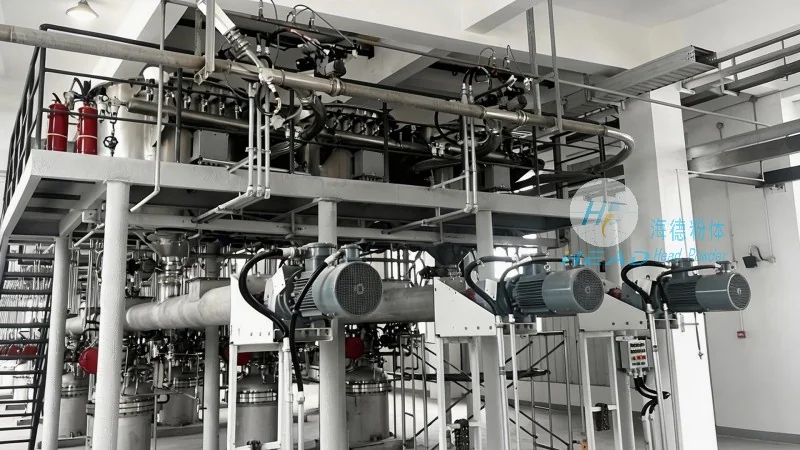
Positive pressure conveying operates by blowing air or gas into the conveying line, creating a pressure higher than the ambient air pressure. This method is particularly effective for transporting materials over long distances or through complex piping networks. The system typically includes a blower or compressor at the discharge end, which forces the material through the pipeline. One of the key benefits of positive pressure systems is their ability to handle abrasive materials like stone coal without significant wear on the equipment. Additionally, they can transport materials from multiple sources to a single destination, making them versatile for various industrial applications. However, these systems require robust seals and are more prone to leaks, which can affect air quality and operational efficiency.
Key Features of Positive Pressure Systems
Positive pressure conveying systems are characterized by their high-pressure operation, which ensures consistent material flow. The equipment used, such as rotary air locks and cyclone separators, is designed to withstand the pressure and abrasive nature of stone coal. These systems are often used in applications where the material needs to be transported over several kilometers or through multiple bends and changes in elevation. The efficiency of positive pressure systems is enhanced by the use of high-efficiency filters and proper maintenance schedules, which minimize downtime and maximize throughput. For companies operating in regions like Shandong, China, where stone coal is a significant resource, positive pressure systems can be a reliable choice for bulk material handling.
Exploring Negative Pressure Conveying
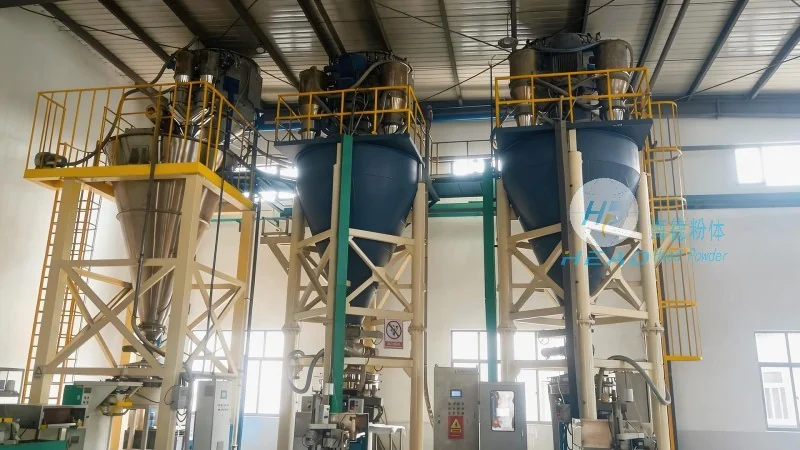
Negative pressure conveying, also known as suction conveying, works by creating a vacuum in the conveying line, drawing material from the source. This method is ideal for applications where the material is to be collected from a single point or where the material is light and requires gentle handling. The system typically includes a vacuum pump at the inlet end, which pulls the material into the pipeline. Negative pressure systems are generally more compact and require less space compared to positive pressure systems. They are also less likely to cause dust emissions at the source, as the material is drawn into the system rather than being blown out. However, these systems have limitations in terms of distance and material density, as the vacuum can only be maintained over shorter distances and with lighter materials.
Advantages and Limitations of Negative Pressure Systems
One of the main advantages of negative pressure conveying is its ability to handle fine or light materials without causing excessive wear on the equipment. The system is also quieter and less disruptive to the surrounding environment compared to positive pressure systems. However, negative pressure systems are not suitable for long-distance transport or for materials with high abrasiveness. The vacuum created can also lead to issues with air filtration and maintenance, as the system needs to handle larger volumes of air to maintain the suction. For industrial facilities in Shandong, China, where stone coal is processed, negative pressure systems may be preferred for short-distance transport or for handling materials that are less abrasive and require gentler handling.
Comparative Analysis: Positive vs. Negative Pressure Conveying
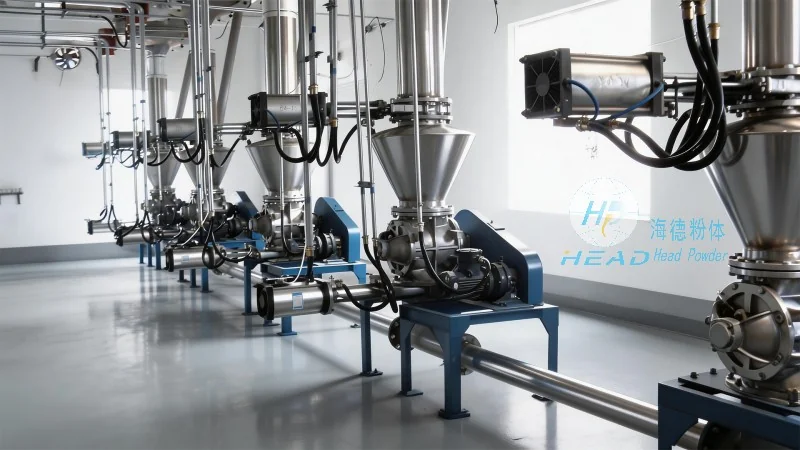
When comparing positive and negative pressure conveying systems for stone coal, several factors must be considered. The primary difference lies in the direction of air flow and the pressure differential. Positive pressure systems push material through the pipeline, while negative pressure systems pull material into the system. This fundamental difference affects the system's efficiency, cost, and suitability for different applications. For example, positive pressure systems are more efficient for long-distance transport and can handle larger volumes of material, making them ideal for bulk handling operations. In contrast, negative pressure systems are better suited for short-distance transport and for applications where the material needs to be handled gently to avoid degradation.
Factors Influencing the Choice of Conveying System
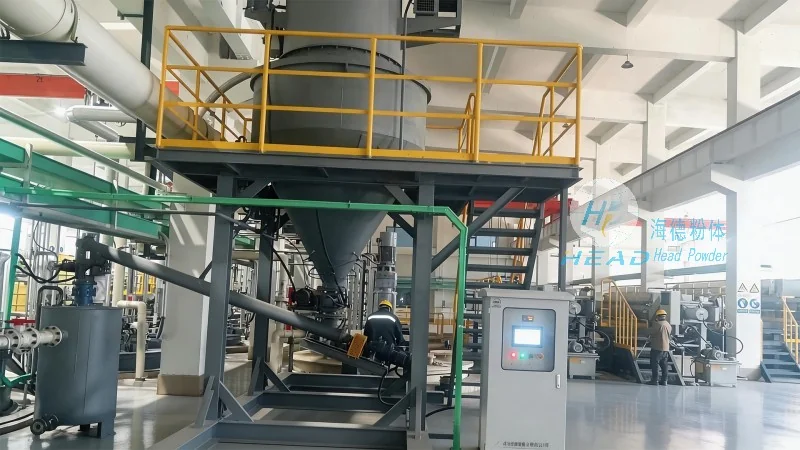
The choice between positive and negative pressure conveying for stone coal depends on several key factors. These include the distance of transport, the material's characteristics (such as abrasiveness and density), the required throughput, and the available space for equipment installation. For companies in Shandong, China, where stone coal is a major resource, the decision may also be influenced by local regulations regarding air quality and noise pollution. Positive pressure systems may be preferred for large-scale operations due to their higher throughput and ability to handle abrasive materials, while negative pressure systems may be chosen for smaller-scale operations or for applications where environmental considerations are paramount.
Conclusion and Recommendations
In conclusion, both positive and negative pressure pneumatic conveying systems offer viable solutions for transporting stone coal, each with its own set of advantages and limitations. The selection of the appropriate system depends on the specific operational requirements and constraints of the facility. For long-distance, high-volume transport of stone coal, positive pressure systems are generally more effective and efficient. For short-distance or gentle handling of materials, negative pressure systems may be more suitable. Companies in Shandong, China, should consider factors such as material characteristics, distance, and environmental regulations when choosing a conveying system. By understanding the differences between these two methods, industry professionals can make informed decisions that optimize their material handling processes and improve overall operational efficiency.