

[Potato Positive Pressure Conveying vs. Negative Pressure Conveying: A Comparative Analysis of Two P
As a vital crop worldwide, potatoes are widely used in food processing, agriculture, and various industrial applications. The efficiency and effectiveness of potato handling and transportation are crucial factors that impact overall production costs and product quality. Among the various methods available for material handling, pneumatic conveying systems have emerged as a popular choice for transporting bulk materials like potatoes. Two primary types of pneumatic conveying systems are widely used in the industry: positive pressure conveying and negative pressure conveying. This article provides a detailed comparison of these two methods, highlighting their working principles, advantages, disadvantages, and suitable applications. The analysis is presented by HeadPowder, a leading engineering company specializing in material handling solutions, with a focus on practical insights for potato processing facilities.
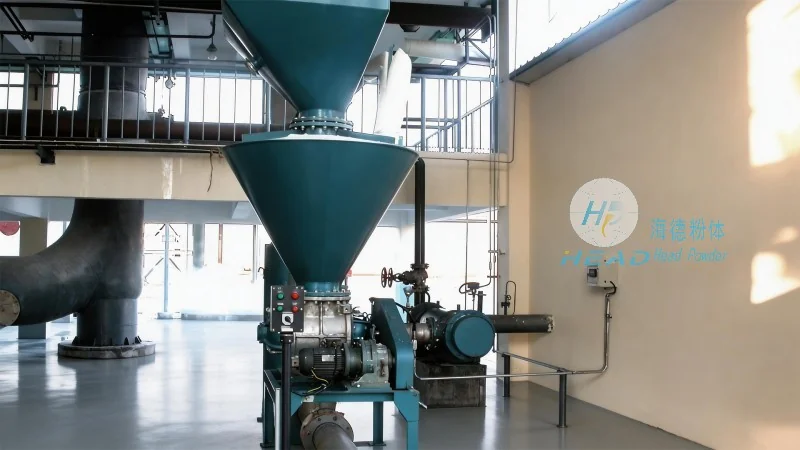
Introduction to Pneumatic Conveying Systems
Pneumatic conveying systems utilize air or gas to transport bulk materials through a pipeline network. These systems are widely used in industries such as agriculture, food processing, and manufacturing due to their ability to handle a wide range of materials, including powders, granules, and bulk solids like potatoes. The choice between positive pressure and negative pressure conveying depends on factors like material characteristics, distance, and system requirements. Understanding the differences between these two methods is essential for selecting the most suitable solution for potato transportation.
Positive Pressure Conveying: Working Principle and Characteristics
Positive pressure conveying, also known as pressure pneumatic conveying, operates by blowing air or gas into the material to be transported. The system generates a positive pressure within the pipeline, which forces the material to move from the source to the destination. In this method, the air is introduced at the conveying point, and the material is carried along with the air stream. The pressure is maintained throughout the entire pipeline, ensuring consistent material flow. Positive pressure systems are typically more suitable for long-distance and high-capacity conveying applications.
Key characteristics of positive pressure conveying include: high conveying capacity, ability to handle abrasive and heavy materials, and suitability for long-distance transport. The system can be designed to operate at various pressures, depending on the distance and material properties. Additionally, positive pressure conveying systems are generally more reliable and less prone to blockages compared to negative pressure systems, as the air flow is continuous and directed towards the material.
Negative Pressure Conveying: Working Principle and Characteristics
Negative pressure conveying, or vacuum pneumatic conveying, operates by creating a vacuum in the pipeline, which draws the material from the source to the destination. The system uses a vacuum pump to create a lower pressure inside the pipeline compared to the ambient air pressure. The material is then pulled along with the air stream, moving from the higher pressure (source) to the lower pressure (destination). Negative pressure systems are commonly used for shorter distances and for materials that are more sensitive to pressure changes or for applications where the material needs to be collected from multiple points.
Key characteristics of negative pressure conveying include: lower initial cost for short-distance applications, ability to handle fine powders and granules, and suitability for collecting materials from multiple locations. However, negative pressure systems are generally less efficient for long-distance transport and may be more prone to blockages if the material is sticky or has high moisture content. The vacuum pump requires regular maintenance to ensure optimal performance.
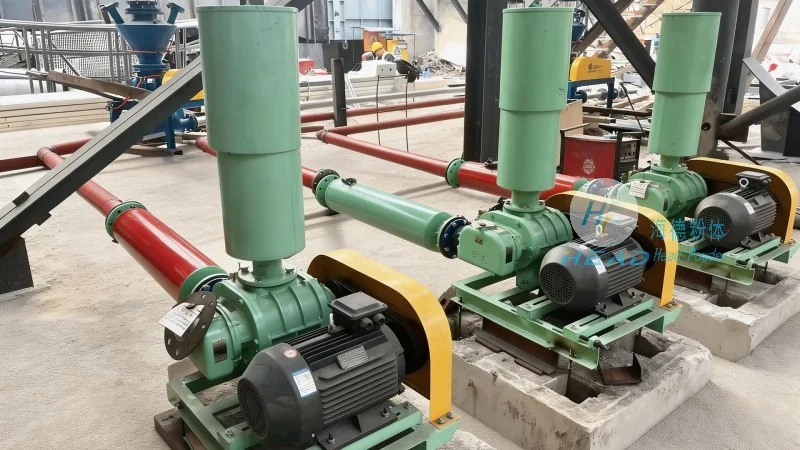
Comparison of Positive Pressure and Negative Pressure Conveying for Potatoes
When comparing positive and negative pressure conveying for potatoes, several factors need to be considered. Positive pressure conveying is often preferred for long-distance transport of potatoes due to its higher capacity and reliability. The system can handle large volumes of potatoes efficiently, making it suitable for large-scale processing facilities. Additionally, positive pressure systems are less likely to cause damage to the potatoes, as the air flow is gentle and the pressure is controlled to prevent bruising or crushing.
On the other hand, negative pressure conveying may be more suitable for shorter distances or for applications where the potatoes need to be collected from multiple points, such as in a farm setting or a small processing plant. The lower cost of negative pressure systems for short distances makes them an attractive option for smaller operations. However, the risk of blockages and the need for more frequent maintenance can increase operational costs over time.
Advantages and Disadvantages of Each Method
Positive pressure conveying offers several advantages, including high conveying capacity, reliability, and suitability for long-distance transport. The system can handle abrasive and heavy materials without causing damage, and the air flow is continuous, reducing the risk of material buildup. However, the initial cost of positive pressure systems is higher due to the need for high-pressure air compressors and robust pipeline components. Additionally, the system may require more energy to operate, especially for long distances.
Negative pressure conveying has the advantage of lower initial cost for short-distance applications and the ability to handle fine materials. The system is also more flexible, as it can be easily expanded to include additional collection points. However, the disadvantages include lower conveying capacity, higher risk of blockages, and the need for more frequent maintenance of the vacuum pump. The system may also be less efficient for long-distance transport, as the vacuum pressure decreases over distance.
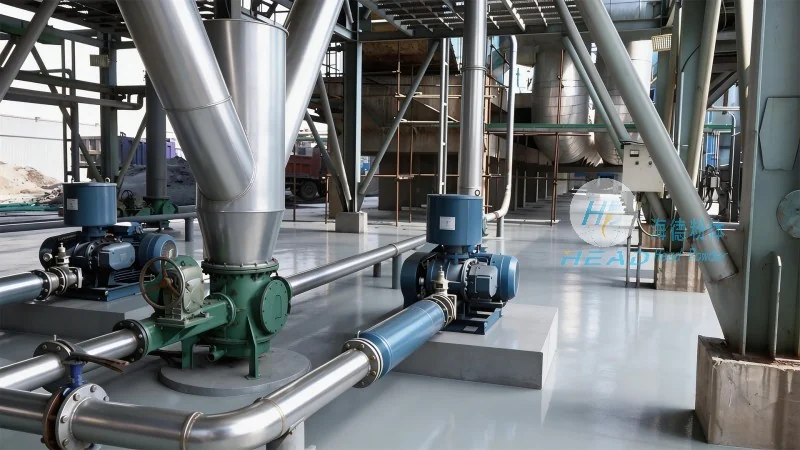
Application Scenarios for Potato Conveying
The choice between positive and negative pressure conveying depends on the specific application and operational requirements. For large-scale potato processing facilities that require long-distance transport of large volumes, positive pressure conveying is the preferred choice. The system can efficiently transport potatoes from storage silos to processing lines, or from the processing plant to packaging areas. The high capacity and reliability of positive pressure systems ensure that production is not interrupted due to material handling issues.
For smaller operations or applications where potatoes need to be collected from multiple points, negative pressure conveying may be more suitable. For example, in a farm setting, negative pressure systems can be used to transport potatoes from the field to a storage facility. The system can be designed to collect potatoes from different parts of the field and transport them to a central location. The lower cost and flexibility of negative pressure systems make them an attractive option for smaller-scale operations.
HeadPowder: Providing Customized Pneumatic Conveying Solutions
HeadPowder, a leading engineering company based in Shandong, China, specializes in designing and manufacturing customized pneumatic conveying systems for various industries, including agriculture and food processing. With years of experience in the field, HeadPowder understands the unique challenges of potato handling and has developed advanced solutions to meet the specific needs of potato processing facilities.
HeadPowder's team of engineers works closely with clients to assess their operational requirements, material characteristics, and budget constraints. They then design a customized pneumatic conveying system that optimizes efficiency, reduces costs, and ensures product quality. The company offers both positive and negative pressure conveying systems, as well as hybrid systems that combine the advantages of both methods.
HeadPowder's products are designed with high-quality materials and advanced technology to ensure durability and reliability. The company provides comprehensive after-sales support, including installation, maintenance, and technical assistance, to ensure that clients can operate their systems efficiently and effectively. With a focus on customer satisfaction and innovation, HeadPowder is committed to providing the best possible solutions for potato transportation and handling.